

Estimated Reading Time: 12 minutes
TL;DR: Transitioning to organic soil management can increase farm yields by 22%. Key steps include soil testing, composting, and intercropping. Explore practical solutions with Biofarm Kenya.
Key Takeaways:
- Kenyan farmers face soil degradation due to excessive synthetic fertilizer use.
- Organic soil management involves three evidence-backed steps.
- Transitioning can lead to a 22% increase in yields and reduced input costs.
Table of Contents:
- Background & Context
- Key Insights or Strategies
- Case Studies, Examples, or Comparisons
- Common Mistakes to Avoid
- Expert Tips or Best Practices
- Future Trends or Predictions
- Conclusion
- FAQs
Background & Context
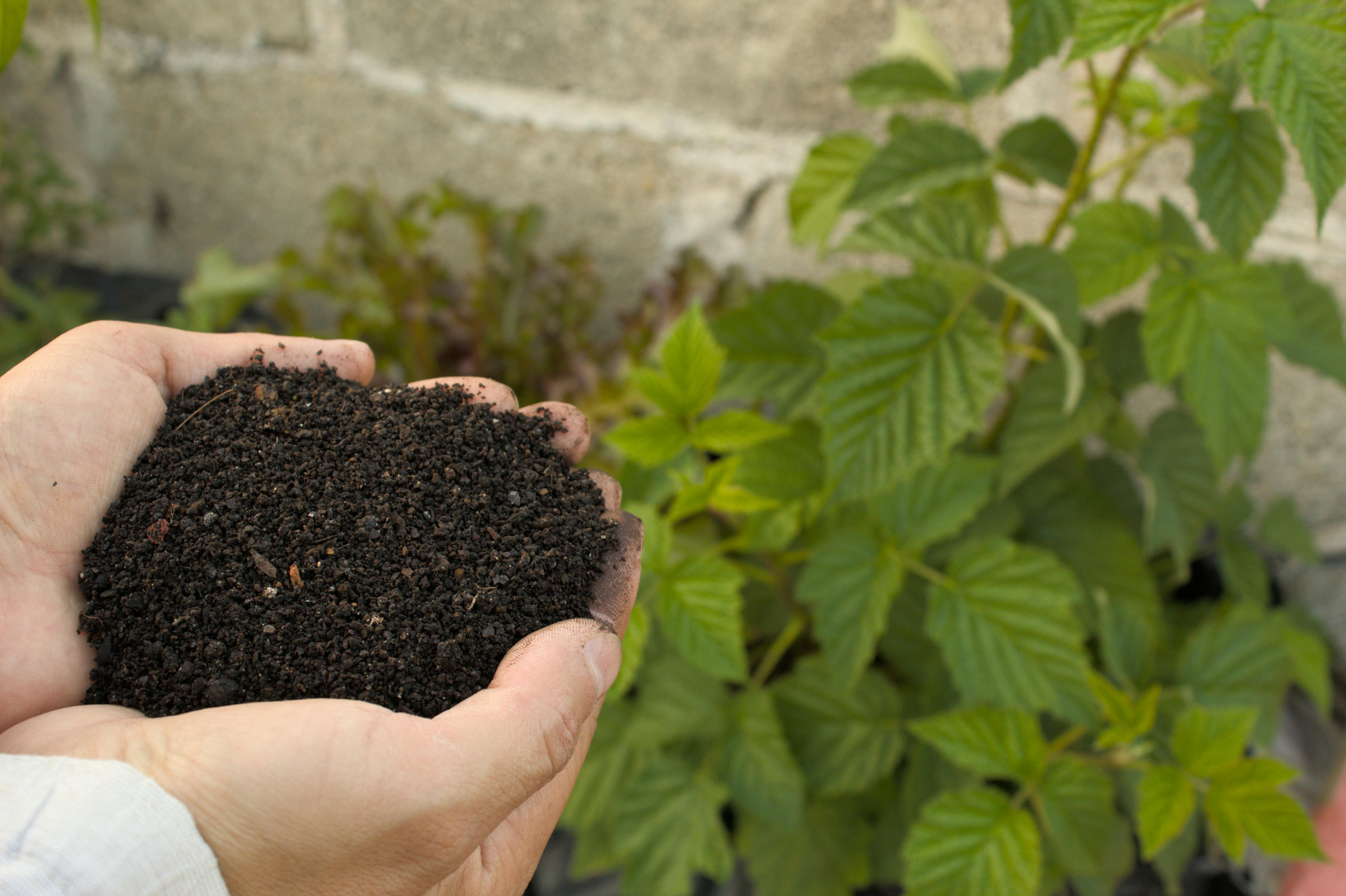
Kenyan farmers are increasingly seeking solutions to soil degradation linked to excessive synthetic fertilizer use. This trend is not surprising given the alarming rates of soil fertility decline reported by agronomists across the East African region. Research indicates that sustainable farming practices are crucial for preserving soil health and ensuring food security in the face of climate change.
Key Insights or Strategies

1. Soil Testing
Conducting a soil test is the first critical step to determine the precise nutrient needs of your farm. This helps in applying the right type and amount of organic fertilizers, maximizing efficiency, and minimizing waste.
- Collect soil samples from different parts of your farm.
- Send samples to a reliable laboratory for analysis.
- Interpret results to identify nutrient deficiencies.
Enhance your soil testing process with the Soil pH & Moisture Tester Kit – available on Amazon.
For continued learning, explore sustainable organic farming solutions with Biofarm Kenya.
2. Composting with Crop Residues
Composting is an efficient way to recycle organic matter back into the soil. Using locally available materials, such as crop residues, farmers can create rich compost that enhances soil fertility.
- Gather crop residues like maize stalks and bean pods.
- Layer them with green waste and animal manure.
- Allow the mixture to decompose for several weeks.
3. Intercropping Legumes
Intercropping nitrogen-fixing legumes like beans or peas is an effective strategy to enhance soil nutrition naturally. This practice reduces the need for synthetic nitrogen fertilizers and promotes biodiversity.
- Select compatible legume species based on your main crop.
- Plant legumes between rows of main crops.
- Monitor crop development to optimize growth and yields.
Case Studies, Examples, or Comparisons
A 2026 Jomo Kenyatta University trial demonstrated that farms transitioning to organic soil management increased their yields by 22% while reducing input costs. Successful farmers like those in the Tharaka Nithi County have adopted intercropping and composting practices, achieving substantial gains in both productivity and sustainability.
Common Mistakes to Avoid
- Overusing organic fertilizers: Excessive application can harm soil microorganisms. Use based on soil test recommendations.
- Neglecting crop rotation: Rotate crops annually to prevent pest and disease buildup.
- Poor irrigation setup: Ensure efficient drip systems to conserve water and prevent runoff-related fertilization losses.
Expert Tips or Best Practices
Maintain healthy soil with Organic Compost Starter Mix. Consider innovative irrigation systems to maximize water use efficiency.
For guidance and support, explore sustainable organic farming solutions with Biofarm Kenya.
Future Trends or Predictions
The future of Kenyan agriculture is laden with technological advancements. Smart irrigation systems, AI-driven crop monitoring, and vertical farming are gaining traction. These innovations promise to revolutionize farming efficiency and sustainability.
Conclusion
Transitioning from synthetic to organic soil management offers numerous benefits, including a 22% increase in yields. Comprehensive soil management through testing, composting, and intercropping supports sustainable agriculture in Kenya. Discover trusted organic farming tools on Amazonand learn more about sustainable solutions with Biofarm Kenya.
FAQs
- What are the benefits of organic soil management?
Organic soil management improves soil health, enhances water retention, and promotes biodiversity. More info is available at the FAO. - How do I test my soil?
Take soil samples from various parts of your farm, send them to a lab, and analyze the results. For more details, visit KEBS. - What materials are best for composting?
Combining green and brown materials like grass clippings and dry leaves produces the best compost. Check out guidelines from NEMA. - What crops work well for intercropping?
Beans, peas, and other legumes are excellent choices due to their nitrogen-fixing properties. Learn more from Ministry of Agriculture. - What is the role of drip irrigation in organic farming?
Drip irrigation conserves water and enhances nutrient absorption efficiency. Discover systems at Amazon. - Can organic farming be profitable?
Yes, with the right management practices and market linkages, organic farming can yield higher profits. Explore options at F6S.


0 Comments