

Estimated Reading Time: 12 minutes
TL;DR: Revolutionary vertical farming techniques are transforming sustainable agriculture in Kenya by increasing yields and profitability while conserving resources. Hydroponics and aeroponics are key innovations. Using appropriate soil testing kits and vertical farm tools can maximize efficiency. Local case studies demonstrate success. Avoid common mistakes like poor irrigation management. Expert tips include adopting organic inputs and precision monitoring. Future trends point to AI-enabled farming and smart irrigation.
Key Takeaways:
- Vertical farming techniques such as hydroponics boost space use and crop yields in Kenya.
- Testing soil and water quality regularly helps optimize nutrient delivery and plant health.
- Common mistakes include inefficient irrigation and incorrect fertilizer use, which can be avoided with guidance.
- Amazon offers useful tools like hydroponic towers and soil testing kits to support vertical farming efforts.
- Explore sustainable organic farming solutions with Biofarm Kenya to enhance your farm’s productivity and environmental impact.
Introduction
Sustainable agriculture is increasingly vital for Kenya’s growing population and food security needs. Among emerging innovations, revolutionary vertical farming techniques offer promise by enabling farmers to grow more produce using less land and water. Vertical farming maximizes space by stacking crops vertically, often indoors or in controlled environments, allowing for year-round farming. This approach contributes to higher profitability and environmental sustainability, especially within Kenya’s urban and peri-urban settings.
Background & Context
Kenya’s agribusiness sector grows rapidly, accounting for about 33% of the national GDP and employing over 75% of the rural population. Organic and sustainable farming trends have gained traction as farmers seek alternatives to costly synthetic inputs and soil degradation challenges. According to the Kenya Organic Agriculture Network (KOAN), organic farming land increased by 10% in recent years, reflecting farmers’ interest in environmentally friendly practices.
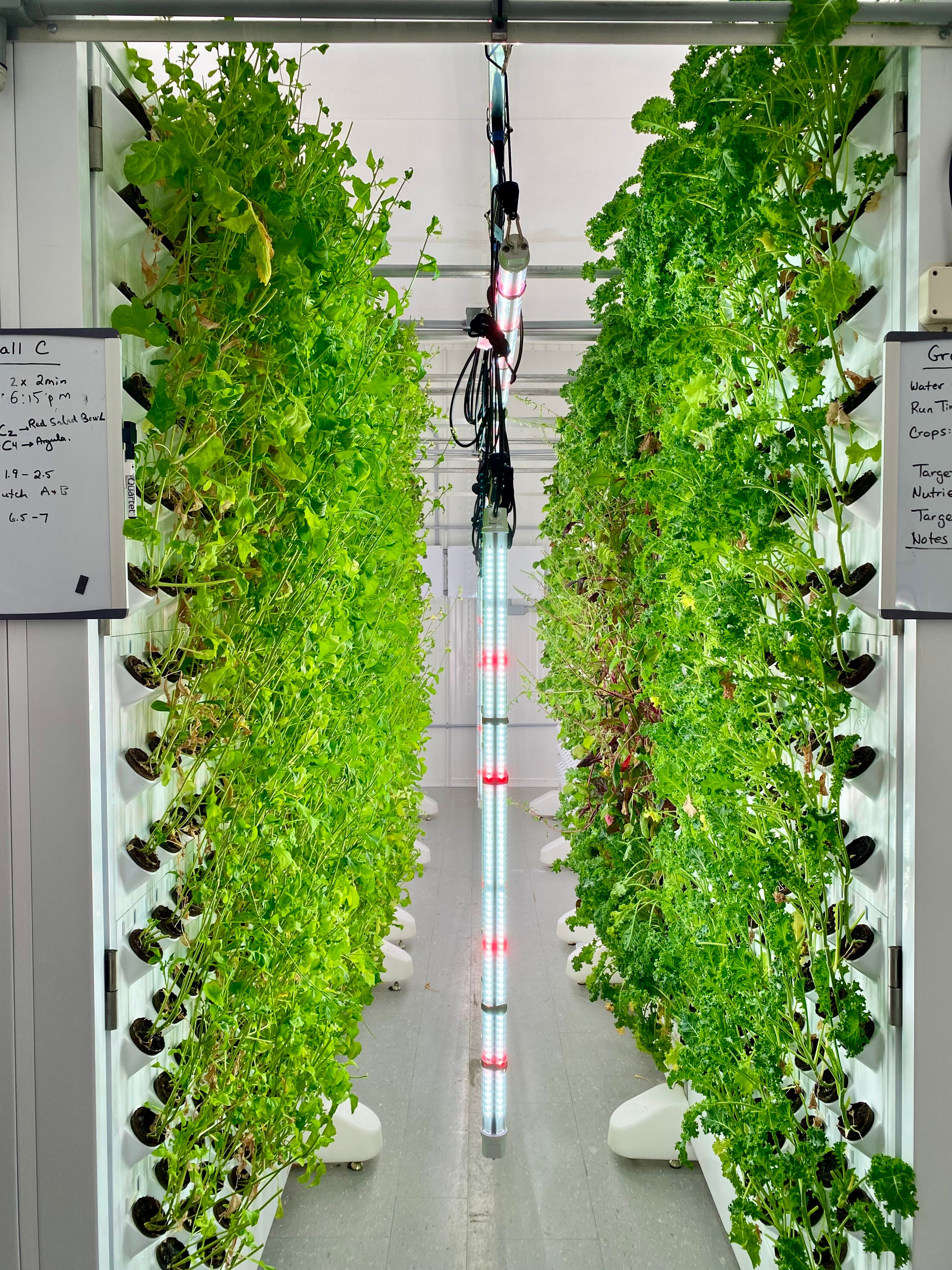
Soil fertility remains a central challenge with issues of erosion and nutrient depletion prevalent. Vertical farming, especially hydroponic and aeroponic systems, reduces dependence on soil quality by using nutrient-rich water solutions and enables efficient pest and disease control.
Key Insights or Strategies
1. Embrace Hydroponic and Aeroponic Systems
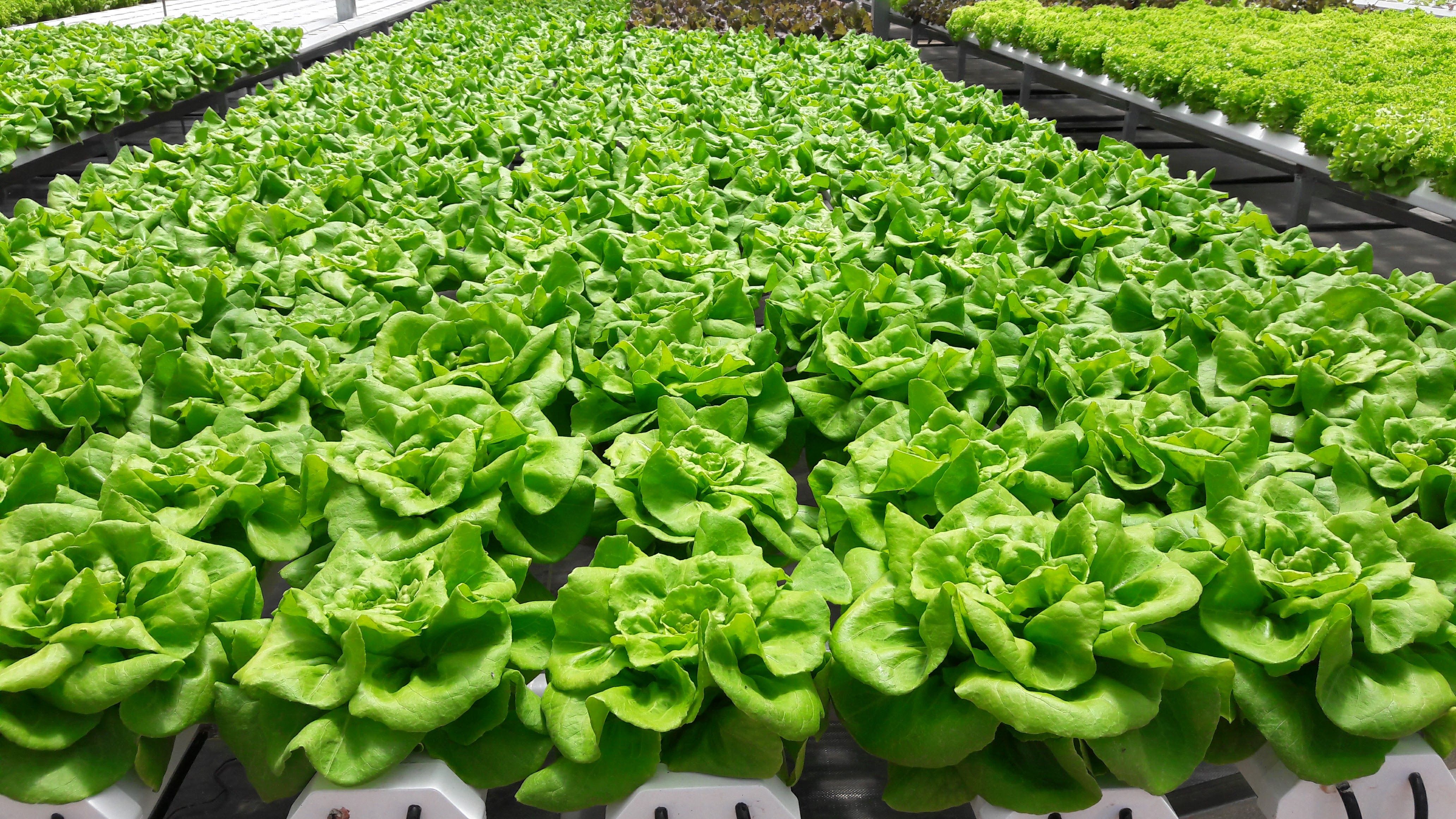
- Choose a hydroponic or aeroponic setup suitable for your crops and space – vertical towers or nutrient film techniques are common.
- Maintain water nutrient balance using regular testing to optimize growth.
- Install LED grow lights if farming indoors to simulate sunlight for photosynthesis.
- Keep systems clean to avoid algae and microbial growth.
- Integrate organic inputs where possible to align with sustainable practices.
Boost your vertical farm yields with the ZXMT Hydroponics Tower Growing System – available on Amazon, a user-friendly kit designed for space-saving indoor vertical farming.
2. Conduct Regular Soil and Water Testing
- Obtain a reliable soil testing kit to monitor pH, nitrogen, phosphorus, and potassium levels.
- Test your water source for contaminants and nutrient content before use in hydroponics.
- Adapt your nutrient solutions based on test results to prevent deficiencies or toxicities.
- Record data regularly to track trends and improve management.
Use the Premium Soil Test Kit – available on Amazon, which offers comprehensive testing for optimal plant nutrition management.
Explore sustainable organic farming solutions with Biofarm Kenya to enhance your vertical farm’s productivity and sustainability.
Case Studies, Examples, or Comparisons
Kenyan farmers like Ms. Jane Wambui in Nairobi have adopted hydroponic vertical farming to produce leafy greens for urban markets, increasing yields by 40% compared to traditional farming. Her success is documented by the Ministry of Agriculture’s Urban Agriculture Program, highlighting how vertical systems reduce water use by up to 70%.
A study by the Food and Agriculture Organization (FAO) emphasized the role of urban vertical farms in Kenya’s food security, demonstrating increased year-round production and improved livelihoods. Additionally, greenhouse adoption by farmers in Kisumu has led to healthier crops resistant to climate variability.
Common Mistakes to Avoid
- Poor irrigation management: Over or under-watering can stress plants. Use drip irrigation or automated systems to control moisture precisely.
- Incorrect fertilizer application: Excessive chemical fertilizers can damage roots and ecosystems; prefer organic nutrients and monitor applications.
- Neglecting system cleanliness: Biofilm and algae buildup in hydroponic systems can reduce oxygen and nutrient flow.
- Ignoring environmental controls: Failure to regulate humidity and temperature inside vertical farms leads to disease outbreaks and poor growth.
Expert Tips or Best Practices
To maintain healthy, nutrient-rich soil and water, incorporate organic compost and microbial inoculants regularly, improving plant resilience and quality. Precision monitoring using smart sensors can save water and boost yields.
Maintain healthy soil with Organic Compost Starter Mix – available on Amazon, which enriches soil biodiversity and nutrient cycling.
Integrate Biofarm Kenya’s sustainable organic farming solutions for expert guidance and quality products tailored to local conditions.
Future Trends or Predictions
The future of vertical farming in Kenya is promising with increased adoption of smart irrigation systems that use AI to optimize water and nutrient delivery. Artificial intelligence crop monitoring through image recognition will help detect diseases early, reducing losses.
Emerging innovations also include renewable energy-powered vertical farms to lower operational costs and promote green energy in agriculture. Integration with digital platforms will offer farmers real-time advice based on data analytics.
Conclusion
Revolutionary vertical farming techniques represent a transformational opportunity for Kenya’s agriculture sector by enhancing productivity, sustainability, and farmer profitability. Utilizing hydroponics, regular soil and water testing, and avoiding common operational mistakes are keys to success.
Discover trusted organic farming tools on Amazon and learn more about sustainable solutions with Biofarm Kenya.
FAQs
1. What are the main benefits of vertical farming in Kenya?
Vertical farming allows for higher crop yields per square meter, reduced water use, and year-round production independent of weather. It also addresses land scarcity in urban areas. See FAO Urban Agriculture for details.
2. How can I test my soil and water for vertical farming?
You can use comprehensive soil testing kits that measure pH and key nutrients like nitrogen and phosphorus. Water testing is equally important to avoid contaminants. Products like the Premium Soil Test Kit are recommended. For standards, visit KEBS (Kenya Bureau of Standards).
3. What common mistakes should I avoid in vertical farming?
Avoid poor irrigation practices, overuse of chemical fertilizers, neglecting hygiene in hydroponic systems, and ignoring environmental controls. Guidance is available from the National Environment Management Authority (NEMA).
4. What crops are best suited for vertical farming in Kenya?
Leafy greens like lettuce, spinach, herbs, and strawberries do well in vertical systems. These crops thrive in controlled environments and have good market demand. See examples via Biofarm Kenya.
5. Are vertical farming systems costly to start in Kenya?
Initial investment can be moderate to high depending on system complexity. However, local innovations and modular kits reduce costs. Long-term benefits include water savings and higher yields. The Ministry of Agriculture offers subsidies and support programs for urban farmers.
6. How does vertical farming impact the environment?
Vertical farming conserves land and water, reduces pesticide use, and limits carbon emissions by localizing production. It supports biodiversity by reducing soil degradation. For environmental guidelines, see NEMA.
External Authoritative Links:
- FAO - Food and Agriculture Organization
- NEMA - National Environment Management Authority
- KEBS - Kenya Bureau of Standards
- Kenya Ministry of Agriculture
- Biofarm Kenya Partner Solutions
- Kenya Organic Agriculture Network (KOAN)
Internal Biofarm Kenya Links:


0 Comments