

Estimated Reading Time: 12 minutes
Growing Vertical Farming Trends
TL;DR:
- The Vertical Farming Revolutionizes Crop Production in Kenya by increasing yields and conserving resources significantly.
- Innovative techniques such as hydroponics and aeroponics are key components of vertical farming's success.
- Smart irrigation, sustainable organic inputs, and tech-driven monitoring improve efficiency and environmental impact.
- Successful urban and small-scale vertical farms have positively impacted food security and poverty alleviation in Kenyan cities.
- Adopting best practices and avoiding common mistakes can maximize the benefits of vertical farming for Kenyan farmers.
Key Takeaways:
- Incorporate vertical farming techniques like hydroponics and aeroponics to maximize space and resource use.
- Use efficient drip irrigation systems to reduce water consumption by up to 90% compared to traditional methods.
- Monitor soil and plant health with modern soil testing kits and organic fertilizers to boost crop vitality sustainably.
- Learn from Kenyan urban farming success stories to implement scalable and community-positive models.
- Explore partnerships and sustainable organic farming solutions available through Biofarm Kenya for expert support.
Introduction
Kenya, like many countries in East Africa, is at a crossroads in sustainable agriculture. With rapid urbanization and increasing pressure on arable land, the agricultural sector faces immense challenges and opportunities. The Vertical Farming Revolutionizes Crop Production in Kenya by introducing innovative methods that enhance food security while conserving scarce resources. This modern approach to farming leverages vertical space, reducing water use and pesticide dependency—vital for sustainable growth in Kenya's farming communities.
Background & Context
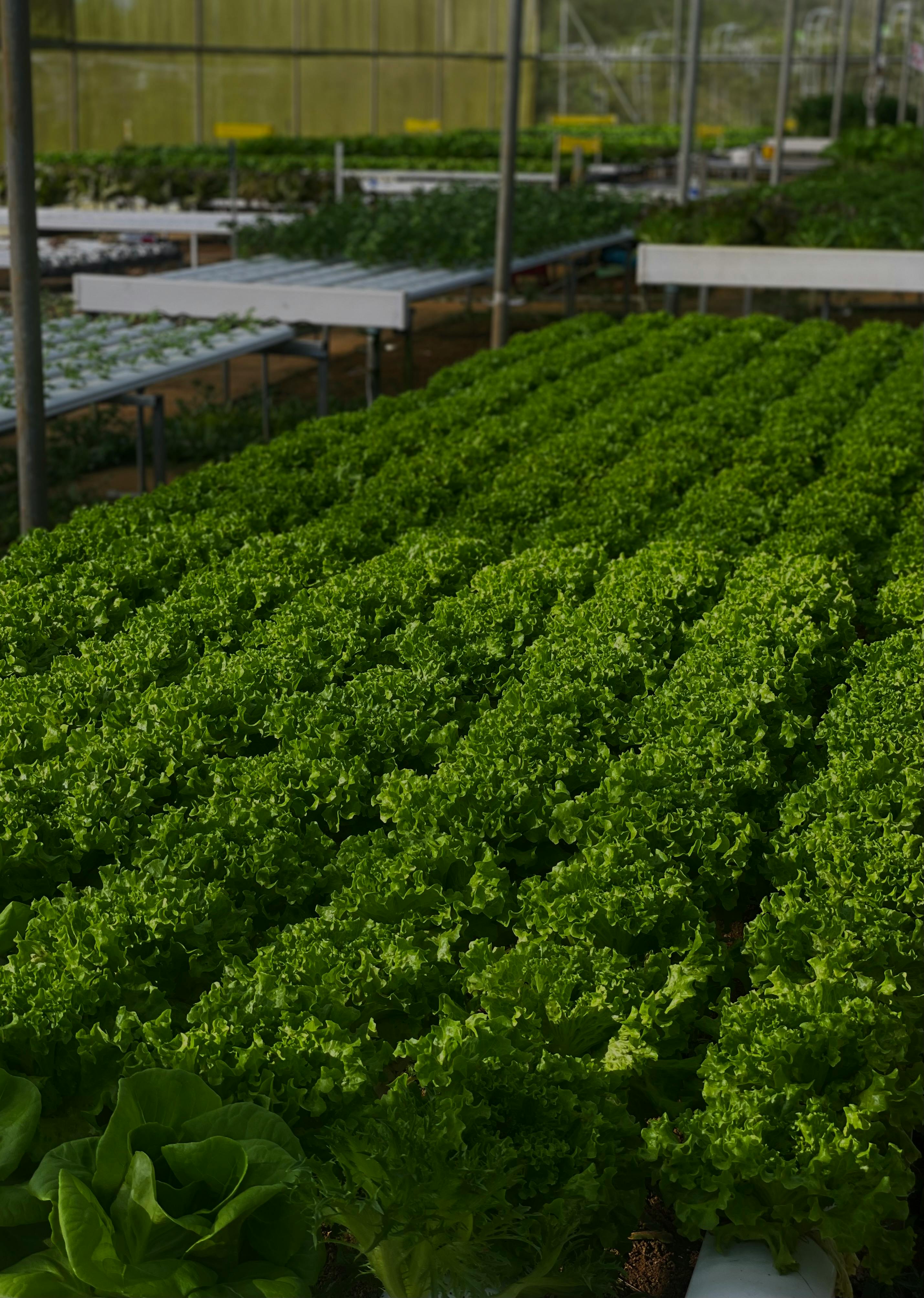
Organic farming and sustainable agribusiness are growing sectors in Kenya. Data shows that organic agriculture has increased by over 20% annually within the last decade, driven by government initiatives and consumer demand for healthier food options. Soil fertility concerns—such as nutrient depletion and degradation—have propelled farmers to adopt practices that improve yield and long-term land health.
Vertical farming techniques, particularly hydroponics and aeroponics, are gaining traction in Kenya's urban and peri-urban areas. These systems reduce water use by up to 90% and can increase crop yields by approximately 70% compared to traditional soil farming. Vertical stacking allows for up to 350 times more crop production per square foot, crucial in densely populated cities like Nairobi.
Key Insights or Strategies

1. Maximize crop yields through hydroponics and aeroponics
- Adopt hydroponics: grow crops in nutrient-rich water without soil to boost growth rates and reduce disease exposure.
- Implement aeroponics: suspend roots in air and mist with nutrients for efficient oxygen and nutrient delivery.
- Use vertical stacking shelves to multiply planting area in limited spaces.
- Control environmental factors like light, temperature, and humidity via automated systems.
Boost your yields with the Garden Irrigation System 1/4' Blank Distribution Drip Irrigation Kit – available on Amazon, which ensures precise water delivery to crops with minimal waste.
2. Optimize water usage with drip irrigation
- Install drip irrigation systems to deliver water directly to plant roots, minimizing evaporation and runoff.
- Integrate timers and sensors to automate watering schedules aligned with crop needs.
- Maintain the irrigation system regularly to prevent clogging and leaks.
For efficiency seekers, the Drip Depot Drip Irrigation Kit for Raised Bed Gardening helps set up a customizable drip irrigation that suits small farms or urban gardens.
3. Enhance soil and plant health with organic fertilizers and soil testing
- Regularly test soil to monitor pH and nutrient levels with modern soil testing kits.
- Apply organic fertilizers that improve soil organic matter and microbial activity.
- Use compost or natural amendments to maintain soil fertility and structure over time.
Consider the University of Florida Soil Test Kit Powered by SoilKit for fast, reliable soil analysis to guide nutrient management decisions.
Explore sustainable organic farming solutions with Biofarm Kenya
Case Studies, Examples, or Comparisons
Nairobi’s urban slums such as Kibera and Mathare have embraced vertical farming as a revolutionary approach to food security and poverty alleviation. Organizations like Vision Bearerz have introduced hydroponic vertical farms in abandoned spaces, providing fresh produce, employment, and promoting peace within the communities.
The Food and Agriculture Organization (FAO) highlights that urban vertical farming in Kenya reduces hunger and environmental pressure, setting a model for other African cities facing similar challenges. These farms utilize solar-powered and water-efficient technologies to sustainably produce high-value leafy vegetables and herbs.
Moreover, government initiatives support vertical farming by funding urban agriculture research and training programs. Kenyan farmers using vertical farming see up to a 70% increase in yields while conserving up to 90% water compared to conventional agriculture, as supported by the Ministry of Agriculture reports.
Common Mistakes to Avoid
- Over-irrigation leading to waterlogging and root diseases; correct by monitoring moisture levels and using drip irrigation responsibly.
- Neglecting soil testing, which results in improper fertilizer use and nutrient imbalances; regularly test soil and adjust inputs accordingly.
- Using chemical pesticides unnecessarily in vertical farms; adopt integrated pest management and organic controls to maintain crop safety.
- Poor system maintenance causing clogged drip emitters and uneven watering; perform routine checks and repairs.
- Ignoring training and technical knowledge, which limits the benefits of vertical farming technologies; participate in capacity-building programs.
Expert Tips or Best Practices
Maintaining healthy soil and crops in vertical farming requires knowledge and the right tools. Experts recommend combining organic composting with modern nutrient solutions to feed crops sustainably.
Maintain healthy soil with Soil Seed & Water Oasis Blend Organic Fertilizer to enhance soil health and improve water retention in soil-based vertical systems.
Invest in regular soil testing using kits like the University of Florida Soil Test Kit to track soil pH and essential nutrients, enabling targeted fertilization.
Networking with local agricultural experts and joining programs at Biofarm Kenya ensures you receive up-to-date training and support tailored to Kenya’s unique agro-ecosystem.
Future Trends or Predictions
The future of vertical farming in Kenya points towards integration with smart technologies and innovations. AI-driven crop monitoring devices will soon detect plant health issues real-time, reducing losses and improving yield quality.
Solar-powered systems will power hydroponic and aeroponic farms, ensuring energy-efficient and climate-resilient growth. Also, urban farms will increasingly use controlled environment agriculture (CEA) to grow year-round, minimizing dependency on seasonal changes.
Smart drip irrigation linked with IoT sensors will optimize water usage even further, benefiting smallholder farmers adapting vertical systems. These advances promise to further revolutionize how food is produced sustainably in Kenya and East Africa.
Conclusion
The Vertical Farming Revolutionizes Crop Production by offering innovative, resource-smart methods to meet Kenya’s growing food demands sustainably. This system boosts yields, conserves water, and promotes organic practices that protect ecosystems and communities.
Farmers and agribusinesses ready to adopt vertical farming can discover trusted tools on Amazon and learn more about sustainable solutions through Biofarm Kenya to gain expert guidance.
FAQs
Vertical farming is a method of growing crops in vertically stacked layers, often integrating hydroponics or aeroponics without soil. It works by maximizing space and using controlled environments to optimize plant growth year-round. For more on sustainable farming methods, visit FAO Sustainable Agriculture.
Vertical farming can save up to 90% of water usage by using recirculation and drip irrigation systems, drastically reducing water waste. For detailed water-saving practices, see Kenya’s National Environment Management Authority (NEMA).
Leafy vegetables like spinach, kale, herbs, and strawberries thrive in vertical farms due to their compact size and fast growth. More information is available on Kenya’s Ministry of Agriculture.
With the decreasing costs of technology and support from organizations like Biofarm Kenya, vertical farming is becoming more accessible to smallholder farmers, especially through community training and group investments.
Soil health can be maintained by regular testing, using organic fertilizers, and crop rotation practices. Reliable soil testing kits like those from Amazon help monitor soil nutrients accurately. For local soil health guidelines, visit KEBS.
Biofarm Kenya offers sustainable farming solutions and training programs to help farmers adopt vertical farming successfully. Learn more about their programs at Biofarm Kenya Partners.
Related Biofarm Kenya Resources:


0 Comments