

Kenya Avocado Farmers Face Export Profits Crisis
Estimated Reading Time: 11 minutes
TL;DR:
Key Takeaways:
Table of Contents
The Green Gold Paradox: Why Are Kenya's Avocado Farmers Struggling Amidst Record Exports?
Kenya's avocado industry has long been hailed as a success story, with its 'green gold' fruit commanding high prices in international markets. The country stands as a leading exporter of avocados in Africa, shipping vast quantities to Europe, the Middle East, and Asia. However, beneath the surface of record exports and increasing global demand lies a deepening crisis that threatens the livelihoods of thousands of smallholder farmers. The paradoxical question lingers: Why are Kenya's avocado farmers struggling amidst record exports? The answer, multifaceted and complex, points to pervasive issues of cartel influence, unfair pricing, and systemic exploitation that siphon profits away from those who toil the land, leading to significant farmer debt and economic insecurity.
This article delves into the heart of this crisis, exploring the intricate web of challenges faced by Kenyan avocado growers. We will uncover how cartels and unfair prices undermine the sector, examine the critical role of sustainable practices, and outline actionable strategies for a more equitable and prosperous future for Kenya’s avocado farmers.
Background & Context: A Booming Industry Plagued by Exploitation
The rise of Kenya as an avocado powerhouse is undeniable. Projections from the USDA's Foreign Agricultural Service estimate Kenya's avocado production volume to reach an impressive 694,000 tonnes by the 2025/26 season, a record high. This surge is fueled by expanding cultivation areas and improved productivity, demonstrating the sector's immense potential. However, this growth narrative is shadowed by severe challenges, primarily the exploitation by cartels and brokers.
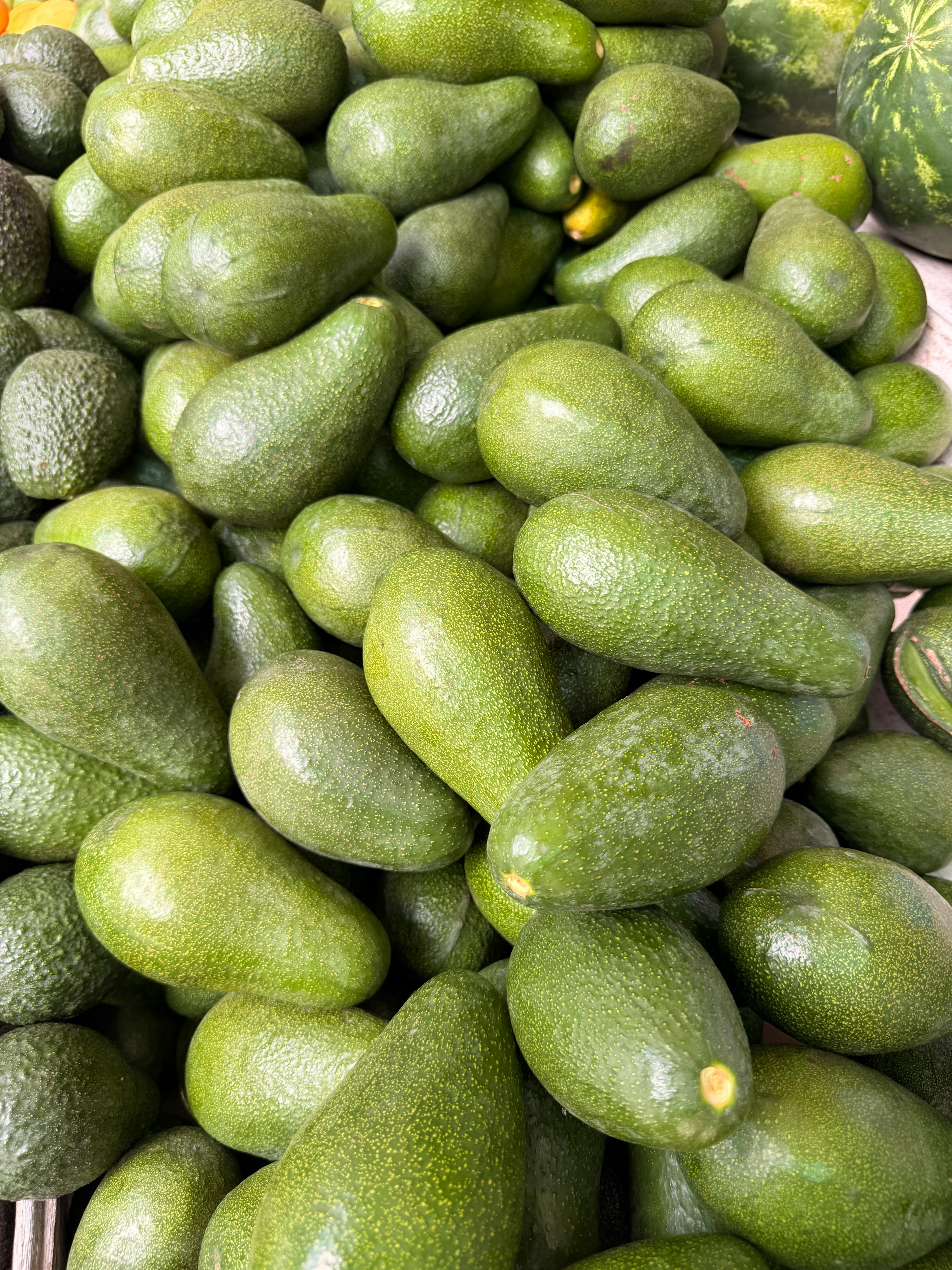
A significant portion of the avocado sector's woes stems from premature harvesting and illegal exports. It is estimated that the industry lost KSh 20 billion in 2023 alone due to immature harvests, a practice often driven by brokers who entice farmers with immediate cash for unripe fruit, thereby diminishing the quality and reputation of Kenyan avocados on the international stage (NTV Kenya). This manipulation creates a vicious cycle, as the market is flooded with substandard produce, driving down prices and hurting legitimate farmers who adhere to proper harvesting seasons.
Beyond the farm gate, logistical bottlenecks further compound the problem. Poor infrastructure in rural areas makes transporting produce costly and difficult. Moreover, despite record production, some reports suggest a paradoxical decline in export volumes, with a 19% drop in 2025 due to factors like disruptions in the Red Sea and domestic export controls (CNBC Africa). These issues highlight a critical need for robust infrastructure and transparent market mechanisms to protect farmers and unlock the sector's full potential.
Key Insights & Strategies: Reclaiming Profitability for Farmers
Empowering Farmers Through Collective Action and Policy
One of the most effective ways for farmers to counter cartel influence and unfair pricing is through collective action. Farmer cooperatives or groups enable smallholder farmers to pool their produce, negotiate better prices, and directly access larger markets, bypassing exploitative middlemen. This collective bargaining power can significantly improve their income and reduce vulnerability.
Strengthening Regulatory Frameworks
Government intervention is crucial in curbing cartel activities. The Murang'a County Government has already taken steps by formulating a bill to regulate the avocado sector and protect farmers (The Standard). Such policies, if effectively implemented and enforced, can create a more transparent and fair trading environment, penalizing those who engage in illicit practices like premature harvesting and price manipulation.
Investing in Cold Chain Solutions and Infrastructure
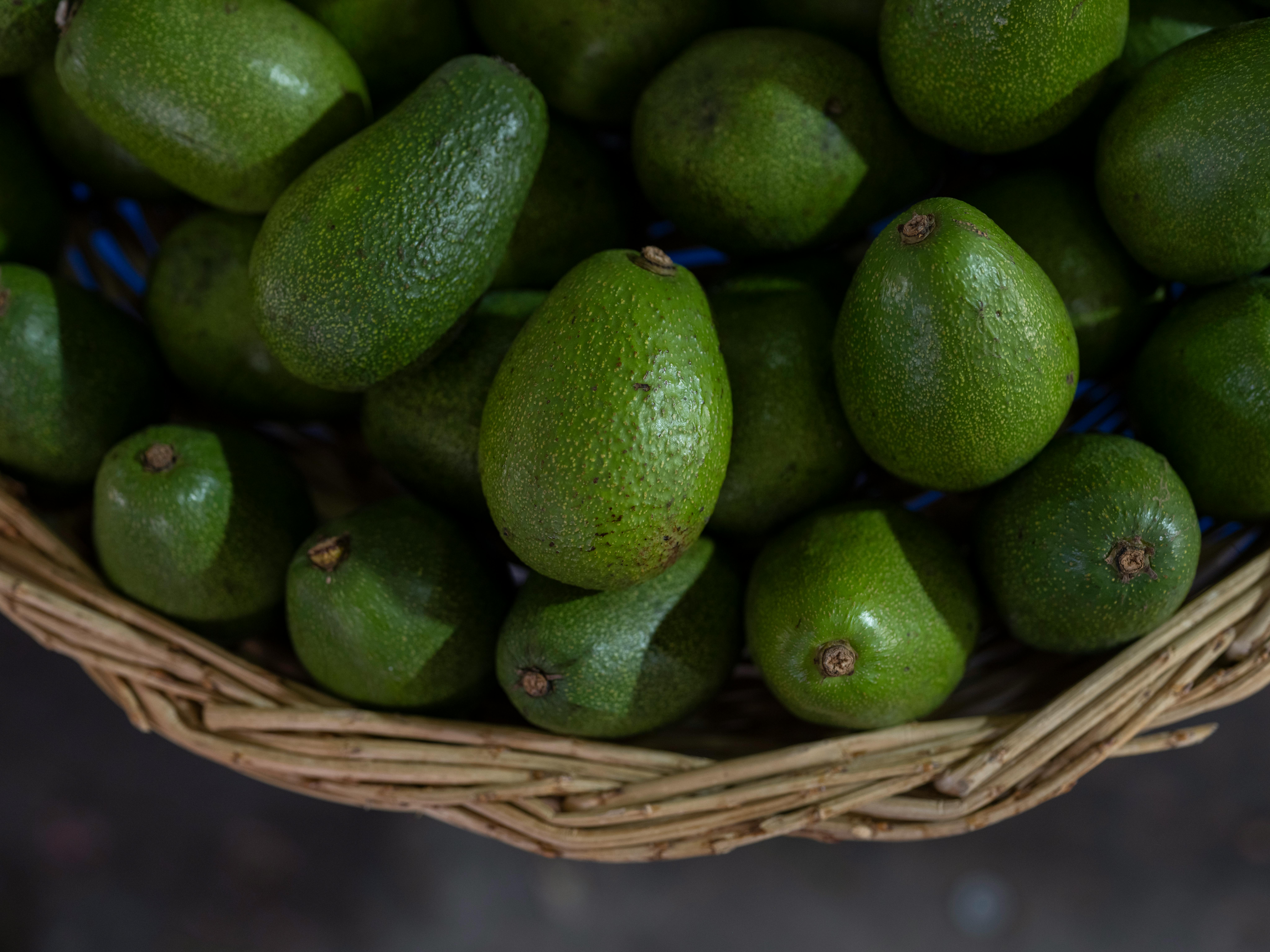
Addressing post-harvest losses, which are substantial due to inadequate infrastructure, is paramount. Investing in improved transport networks, cold storage facilities, and efficient logistics can help preserve fruit quality from farm to market, ensuring that avocados reach consumers in optimal condition and command better prices. This also reduces wastage and increases the overall profitability of the value chain.
For those seeking to understand and implement sustainable solutions across their agricultural practices, whether for avocados or other crops, exploring partnerships can be invaluable. Explore sustainable living solutions with Eco-Oasis Firm to discover resources and support for building more resilient and profitable farming systems.
Promoting Contract Farming
Encouraging small-scale avocado growers to engage in contract farming with reputable exporters can provide guaranteed market access and stable prices, insulating them from market fluctuations and the whims of unscrupulous brokers. This model fosters a more predictable income stream and can encourage adherence to quality standards.
Case Studies, Examples, or Comparisons: Lessons from the Field
The challenges faced by Kenyan avocado farmers are not unique, but the scale of exploitation by cartels presents a stark case study. The push by Murang'a County to legislate against these cartels serves as a beacon of proactive governance. By establishing clear regulations around harvesting seasons, quality control, and buyer-farmer relationships, the county aims to shield its farmers from predatory practices. This initiative, if successful, could serve as a model for other avocado-growing regions in Kenya and beyond.
Another powerful example lies in the power of farmer education and resistance. Many farmers are now being urged to resist the temptation to sell immature avocados to rogue brokers at ridiculously low prices, sometimes as low as Kes 3 per fruit. This collective decision to hold out for better prices during the official season, when demand and quality are higher, is a direct challenge to the cartel's dominance (Avocado Africa). Such grassroots movements, combined with transparent market information, can significantly shift the power balance in favor of the producers.
Comparing Kenya's situation with other major avocado-producing nations reveals similar struggles with market power dynamics, though perhaps not always with the same degree of cartel-related exploitation. For instance, in Mexico, while avocado demand has brought prosperity, it has also, in some regions, attracted the attention of organized crime, highlighting the vulnerability of lucrative agricultural sectors to external pressures (YouTube - Defending Avocado Farms From Drug Cartels). This underscores the universal need for robust legal frameworks and community resilience to protect agricultural economies.
Common Mistakes to Avoid
For Kenyan avocado farmers striving for profitability and sustainability, several common pitfalls can exacerbate their struggles:
- Selling Immature Fruit: Yielding to immediate cash offers for unripe avocados from unscrupulous brokers not only fetches low prices but also damages the reputation of Kenyan avocados, affecting future market demand and price points for all farmers.
- Lack of Collective Bargaining: Operating in isolation leaves individual smallholder farmers vulnerable to price manipulation. Failing to join or form cooperatives means missing out on the power of collective negotiation.
- Poor Seedling Quality: Starting with low-quality or uncertified seedlings leads to reduced yields, susceptibility to diseases, and overall lower productivity, impacting long-term income.
- Neglecting Soil Health and Sustainable Practices: Over-reliance on chemical inputs or neglecting soil conservation practices can degrade land quality, reduce yields over time, and increase farming costs.
- Ignoring Market Information: Not staying informed about market prices, demand fluctuations, and official harvesting seasons can lead to selling at suboptimal times or to exploitative buyers.
Expert Tips & Best Practices
To navigate the complexities of the avocado market and build a resilient farming enterprise, Eco-Oasis Farm recommends the following expert tips:
- Prioritize Quality Seedlings: Invest in certified, disease-free avocado seedlings from reputable nurseries to ensure strong growth and high-quality fruit production. This is the foundation of a successful orchard.
- Embrace Sustainable Agriculture: Implement practices like agroforestry (integrating trees with crops), cover cropping, and composting to enhance soil fertility, conserve water, and improve biodiversity. These methods reduce the need for costly chemical inputs and build long-term farm resilience (VFI Kenya).
- Join or Form Farmer Cooperatives: This cannot be stressed enough. Cooperatives empower farmers to collectively market their produce, access shared resources, and secure better prices directly from exporters, bypassing middlemen.
- Improve Post-Harvest Handling: Implement proper handling techniques immediately after harvest to minimize damage and extend shelf life. This includes careful picking, sorting, and packaging.
- Invest in Cold Storage (where feasible): Even basic cold storage solutions at a community level can significantly reduce post-harvest losses by preserving fruit freshness and allowing for more strategic market timing. Try switching to innovative cold chain solutions for energy-efficient preservation methods.
- Stay Informed: Regularly access market information on prices, demand, and export regulations. Knowledge is power against exploitation.
For more in-depth guidance on integrating these practices and exploring broader sustainable living solutions, consider leveraging expert resources. Explore sustainable living solutions with Eco-Oasis Firm to find tools and insights that can transform your farming approach.
Future Trends & Predictions
The future of Kenya's avocado industry is a mix of promising growth and persistent challenges. While production is forecast to continue expanding, reaching over 727,000 tonnes by 2026 (Fruitnet), several trends will shape its trajectory:
- Increased Global Demand: Demand for avocados, particularly in Europe and Asia, shows no sign of slowing, presenting a continuous opportunity for Kenyan exporters.
- Climate Change Impacts: Unpredictable rainfall patterns and increased droughts pose a significant threat. Farmers will need to adopt more climate-resilient farming practices and water management techniques to ensure consistent yields (Mwangi, 2024 Journal of Animal & Plant Sciences).
- Focus on Sustainability Certifications: International markets are increasingly demanding sustainably produced and ethically sourced goods. Kenyan farmers and exporters will need to adapt by obtaining certifications that demonstrate environmental stewardship and fair labor practices.
- Technological Advancements in Cold Chain: Innovations in cold storage and logistics, including solar-powered cooling solutions, will become crucial for reducing post-harvest losses and improving the quality of exported fruit, enhancing competitiveness.
- Evolving Regulatory Landscape: Expect continued efforts by the Kenyan government and county authorities to formalize and regulate the sector, aiming to protect farmers and ensure orderly market operations.
- Rise of Avocado Processing: The processing of avocados into oil and other value-added products is expected to grow, offering alternative revenue streams and reducing reliance on fresh fruit exports. Avocado oil processing increased significantly between 2024 and 2025, from 3,326 tonnes to 10,188 tonnes (Fruitnet).
Conclusion: A Call to Action for a Fairer Avocado Future
The crisis faced by Kenya's avocado farmers is a sobering reminder that record exports do not automatically translate into prosperity for producers. The insidious grip of cartels and unfair pricing mechanisms, coupled with infrastructural deficiencies, has created a scenario where the very backbone of the industry – the smallholder farmer – is struggling amidst abundance. Addressing this paradox requires a concerted effort from all stakeholders.
Empowering farmers through strong cooperatives, enforcing robust regulatory frameworks, and investing in modern cold chain logistics are not merely options but necessities. By embracing sustainable farming practices, advocating for transparent market systems, and fostering direct farmer-exporter relationships, Kenya can ensure that its 'green gold' truly benefits those who cultivate it. The journey towards a fair and profitable avocado industry is challenging, but with collective will and strategic action, it is an achievable vision.
Let us commit to building a future where Kenya's avocado farmers thrive, their hard work justly rewarded, and their produce continues to enrich tables worldwide sustainably. For further exploration of how you can contribute to and benefit from sustainable agricultural practices, or to partner with initiatives driving positive change, we invite you to Explore sustainable living solutions with Eco-Oasis Firm.
FAQs
Despite rising exports, Kenyan avocado farmers struggle primarily due to exploitation by cartels and brokers who offer unfair prices, purchase immature fruit, and violate export regulations. Additionally, poor infrastructure, especially in rural areas, leads to significant post-harvest losses, and small landholdings limit individual farmer leverage, leaving them vulnerable to market manipulation (Freshela Exporters).
Cartels often dictate low farm-gate prices, far below market value, and compel farmers to sell immature avocados, which further devalues the produce. This reduces farmers' income margins drastically. When income is insufficient to cover production costs or existing loans, farmers accumulate debt, trapping them in a cycle of poverty despite growing a high-value crop (NTV Kenya).
Inadequate infrastructure, particularly poor roads in avocado-growing regions and a lack of proper cold chain facilities, significantly contributes to the problem. Difficult transport increases costs and causes delays, leading to spoilage and reduced quality before the fruit even reaches export markets. This results in higher post-harvest losses and lower prices for farmers (CNBC Africa).
Kenyan farmers can adopt several sustainable practices, including cover cropping, crop rotation, and agroforestry to improve soil fertility and water retention. Organic farming methods reduce reliance on expensive chemical inputs and attract premium prices in certain markets. These practices not only benefit the environment but also enhance long-term farm productivity and resilience (VFI Kenya).
Farmer cooperatives provide a unified front for smallholder farmers. By aggregating their produce, cooperatives gain significant bargaining power with buyers and exporters, allowing them to negotiate better prices and terms. They can also facilitate direct market access, reduce reliance on middlemen, and share resources and knowledge, thereby increasing profitability for all members.
Some county governments, like Murang'a, have initiated legislative measures, such as bills to regulate the avocado sector and specifically protect farmers from cartel exploitation. These efforts aim to enforce proper harvesting seasons, standardize quality, and create a more transparent trading environment, though consistent nationwide implementation and enforcement remain key challenges (The Standard).
Internal Link Suggestions:
- Sustainable Farming Techniques for Smallholder Farmers
- The Benefits of Agroforestry in Tropical Climates
- Community-Led Conservation: A Path to Environmental Justice
- Cold Chain Innovations in Agriculture: Reducing Waste and Boosting Profits
- Policy Advocacy for Farmers: A Guide to Protecting Agricultural Livelihoods
- Eco-Friendly Pest Control Solutions for Organic Farming


0 Comments