

Estimated Reading Time: 15 minutes
TL;DR: Understanding the potential of organic mulch in boosting maize yields in Kenya can transform local farming practices. This article explores the benefits, key strategies, common mistakes, and future trends in sustainable agriculture, with effective solutions and expert tips that are geared towards Kenyan farmers.
- Improve maize yields by 18% with organic mulching.
- Monitor soil temperatures to optimize root health.
- Explore drip irrigation for efficient water use.
- Learn from successful Kenyan organic farmers.
- Avoid common soil and irrigation mistakes.
Background & Context
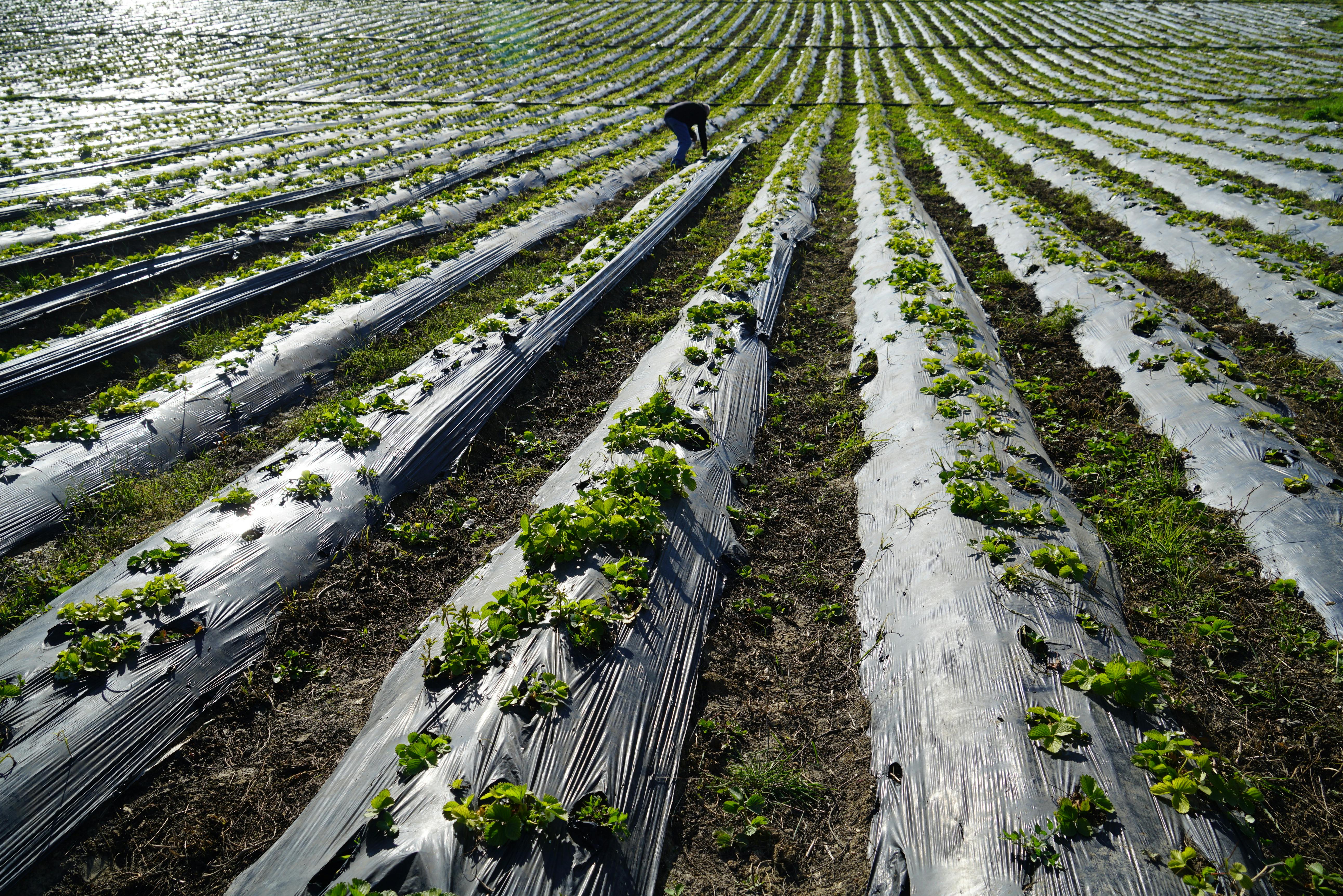
Organic farming in Kenya has been on a steady rise, with the number of organic farms increasing significantly. Recent studies show plastic mulch can increase soil temperatures beyond optimal levels in Kenyan smallholder farms, reducing root health and yields. The focus is on training for soil temperature monitoring, organic mulch alternatives like chopped legumes, and drip irrigation integration. A 2025 field trial by Kenya’s Agricultural Research Institute found farms switching to organic mulches saw 18% higher maize yields in clay soils.
Key Insights or Strategies

Optimize Soil Temperature
- Monitor soil temperature regularly to ensure optimal growth conditions.
- Use organic mulches to maintain favorable soil temperature and moisture.
- Employ soil testing kits like the Soil Testing Kit available on Amazon to assess soil nutrient levels.
Implement Drip Irrigation
- Install a drip irrigation system to enhance water management.
- Consider the Drip Irrigation System available on Amazon for efficient water delivery.
- Regularly inspect the irrigation system to prevent clogs or leaks.
Explore sustainable organic farming solutions with Biofarm Kenya.
Case Studies, Examples, or Comparisons
Kenyan farmers like those mentioned in a study published by the Ministry of Agriculture have successfully increased yield by using organic mulches and drip irrigation. For more insights, NEMA reports on ecological farming practices show similar successes across Kenyan regions.
Common Mistakes to Avoid
- Overlooking soil testing: Regularly test soil conditions to apply the correct organic nutrients.
- Incorrect mulch application: Avoid placing mulch directly against plant stems to prevent rot.
- Neglecting irrigation maintenance: Regularly check and maintain equipment to avoid water waste.
Expert Tips or Best Practices
To maximize maize yields, farmers should consider:
- Monitoring soil regularly with tools like the Yard Mastery Soil Test Kit on Amazon.
- Maintaining soil health using products like the Blood Meal Fertilizer.
For further guidance, find sustainable solutions with Biofarm Kenya.
Future Trends or Predictions
The future of Kenyan agriculture lies in innovations like AI-driven crop monitoring and enhanced vertical farming systems. Smart irrigation technologies will continue to evolve, providing precise water usage insights.
Conclusion
Transitioning to organic mulching practices can substantially improve maize yields in Kenya. Discover trusted farming tools on Amazon and learn more about sustainable solutions with Biofarm Kenya.
FAQs
- What is organic mulching? Organic mulching involves using natural materials like chopped legumes to retain soil moisture and regulate temperature. For further reading, visit FAO.
- How can I maintain optimal soil temperature? Use mulches, regular soil monitoring, and precise irrigation. Learn more at KEBS.
- What are the benefits of drip irrigation? Drip irrigation conserves water and ensures efficient delivery to plants. More details can be found at NEMA.
- How does organic farming benefit smallholder farmers? Organic practices improve soil health and yield quality. See Biofarm Kenya for community insights.
- Are there government aids for organic farming in Kenya? Yes, the Ministry of Agriculture provides various programs. Visit their site for support information.
- Which crops benefit the most from organic mulching? Crops like maize, beans, and vegetables show significant yield increases.


0 Comments