

Estimated Reading Time: 11 minutes
Profitable Farming Ideas: Most Profitable Farming Ideas in 2026
In Kenya, agriculture remains the backbone of the economy, with sustainable and organic farming increasingly gaining traction. For farmers and agribusiness entrepreneurs seeking the most profitable farming ideas in 2026, exploring modern, eco-friendly, and market-driven ventures is essential to unlock both profitability and sustainability. This article dives deep into tested and emerging farming ideas, backed by data, expert insights, and practical tips tailored for Kenyan farmers and agripreneurs.
TL;DR: Core Takeaways
Key Takeaways
Table of Contents
Background & Context Key Insights or Strategies Case Studies, Examples, or Comparisons Common Mistakes to Avoid Expert Tips or Best Practices Future Trends or Predictions Conclusion FAQsBackground & Context

Kenya has witnessed a significant expansion in sustainable and organic agriculture practices over the past decade. Certified organic farms have jumped from approximately 54,386 in 2021 to 62,626 in 2023, reflecting growing consumer preference for fresh and chemical-free produce.source This trend aligns with efforts to restore soil fertility, improve food safety, and promote environmental conservation.
Organic farming also promotes biodiversity and reduces the negative impact of chemical fertilizers and pesticides on ecosystems. In Kenya, key crops such as avocados, passion fruits, and indigenous vegetables command premium prices in both local and export markets. Moreover, agribusiness has increasingly embraced innovative sustainable practices including water-saving irrigation and greenhouse technology, improving yields despite climate variability.
Key Insights or Strategies
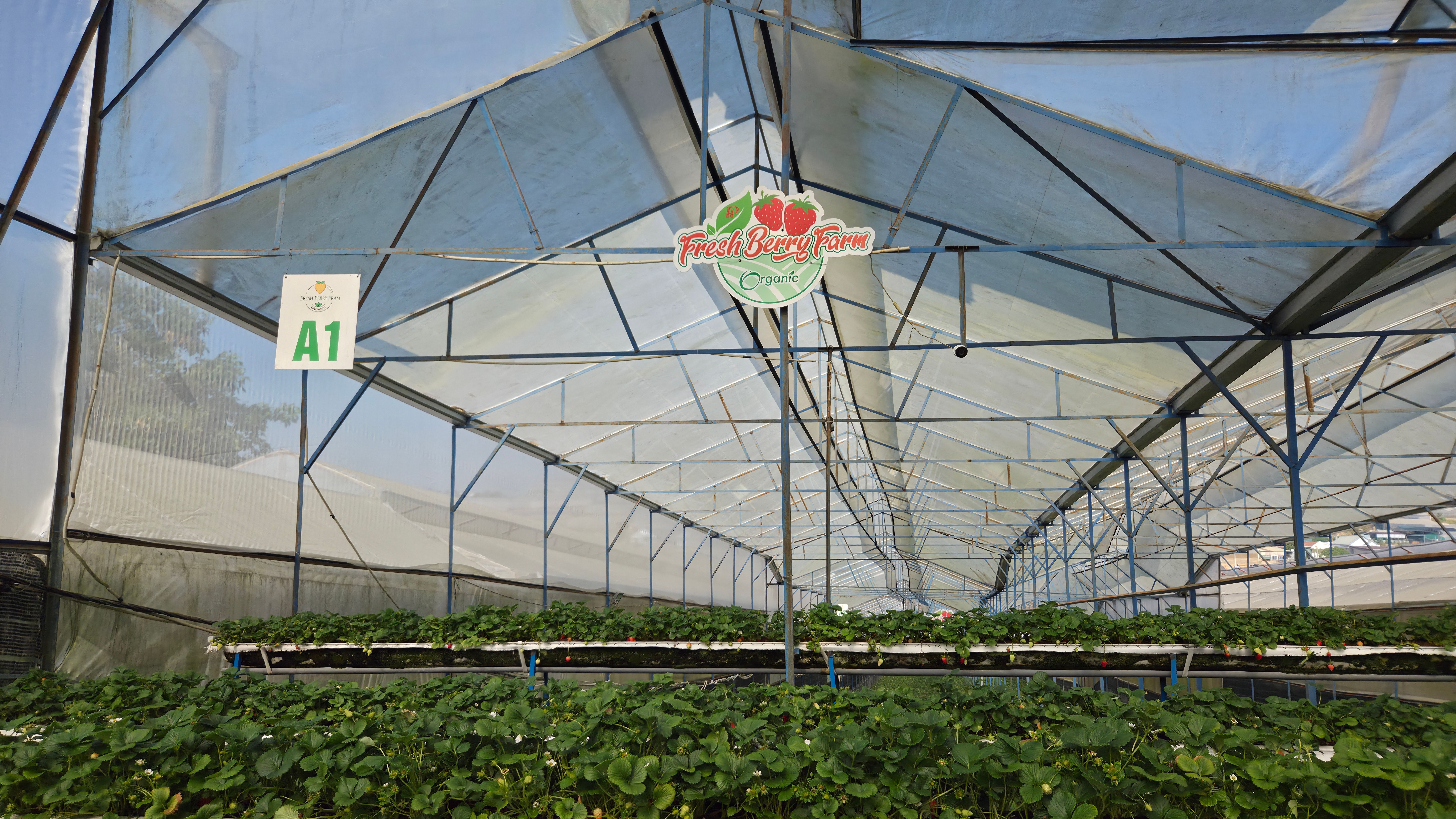
1. Focus on Organic Vegetable and Fruit Farming
Demand for organic produce in Kenya and East Africa is rising due to health-conscious consumers and export potential. Crops like tomatoes, onions, capsicums, passion fruits, and avocados have demonstrated strong profitability when grown organically.
- Source quality organic seeds or seedlings certified by KEBS or similar bodies.
- Implement organic pest and disease management to maintain crop health without chemicals.
- Build direct market relationships with supermarkets and organic produce buyers.
- Farm at scales that allow for gradual expansion and improved economies.
2. Adopt Water-Efficient Drip Irrigation Systems
In regions facing water scarcity and unpredictable rains, drip irrigation remains one of the most profitable and sustainable technologies for small and medium farms.
- Install a basic drip irrigation system tailored for your crop needs and plot size.
- Regularly maintain and clear emitters to ensure even water distribution.
- Combine with mulching to further retain soil moisture and prevent erosion.
- Utilize timers or automatic controllers for efficient irrigation scheduling.
Boost your yields with the Flantor Drip Irrigation Kit – available on Amazon, designed for garden and greenhouse irrigation systems to save water and increase productivity.
3. Improve Soil Health Using Organic Fertilizers and Amendments
Healthy, fertile soil is key to sustainable profitability in farming. Organic composts, fish-based liquid fertilizers, and mineral amendments improve nutrient availability and structure.
- Test your soil regularly to understand nutrient needs and pH balance.
- Incorporate compost and organic matter yearly to rebuild soil organic content.
- Use organic liquid fertilizers during growth seasons for nutrient boosts.
- Rotate crops and use cover crops to maintain fertility and reduce pest pressure.
Maintain healthy soil with Drammatic® Organic™ Original Fertilizer – available on Amazon, a hydrolyzed liquid fish fertilizer ideal for vegetables, fruits, and flowers.
Explore sustainable organic farming solutions with Biofarm Kenya to improve your soil health and farming yields sustainably.
4. Diversify into Aquaculture and Apiculture
Fish farming (aquaculture) and beekeeping (apiculture) remain highly profitable agribusiness ventures with relatively low startup costs and growing demand.
- For fish farming, start with species like tilapia or catfish in constructed ponds or tanks.
- Maintain water quality and feed fish optimally for accelerated growth.
- For beekeeping, invest in quality Langstroth hives and protective gear.
- Harvest honey and beeswax for local sales or export higher-value products.
5. Utilize Greenhouse Kits for Year-Round Production
Greenhouses protect crops from adverse weather, extend growing seasons, and boost yields substantially. Small-scale modular kits are affordable and accessible for Kenyan farmers.
- Choose a greenhouse kit suitable for your land size and crop type.
- Install mesh screens to manage pests and ventilation.
- Incorporate drip irrigation and shading nets for optimal growing conditions.
- Use greenhouses to cultivate high-value crops like herbs, vegetables, and seedlings.
Consider the Exroo 6x6FT Small Green House Kit – available on Amazon, a durable polycarbonate greenhouse ideal for backyard farming and controlled environment agriculture.
Explore sustainable organic farming solutions with Biofarm Kenya that can complement your greenhouse farming practices effectively.
Case Studies, Examples, or Comparisons
Kenyan farmers across diverse regions are successfully adopting these profitable ideas. For instance, a Western Kenya vegetable farmer transitioned to organic farming and now supplies high-end supermarkets in Nairobi, realizing premiums of up to 30% above conventional produce prices.source
In Kajiado County, adopting sustainable organic methods has improved yields despite challenging arid conditions, with farmers embracing crop rotation, composting, and drip irrigation to maintain productivity.source
Additionally, small-scale fish farmers have reported doubling their incomes by exploiting local demand from supermarkets and restaurants, supported by government aquaculture initiatives.source
Common Mistakes to Avoid
- Inadequate soil testing: Using fertilizers blindly can lead to nutrient imbalance and wasted resources. Always test soil before amendments.
- Overwatering or poor irrigation timing: Can lead to root diseases and water wastage. Adopt drip systems and monitor soil moisture.
- Ignoring pest and disease monitoring: Waiting too long to control infestations can cause heavy losses. Implement integrated pest management.
- Poor market research: Growing crops without knowing demand leads to low returns or unsold produce. Always map your target buyers.
- Neglecting training and extension services: Avoid falling behind new techniques; engage with farmer groups and expert platforms like Biofarm Kenya.
Expert Tips or Best Practices
Kenyan agronomists and sustainability experts recommend the following best practices to optimize profitability in 2026:
- Adopt crop diversification: Reduce risks by growing multiple high-value crops suited to your agro-ecological zone.
- Use quality organic inputs: Invest in certified organic fertilizers for better soil health. For example, try the Drammatic® Organic™ Fertilizer for balanced plant nutrition.
- Install efficient irrigation: Save water and improve yields with drip irrigation systems like the Flantor Drip Irrigation Kit.
- Engage with agribusiness networks: Join groups like Biofarm Kenya for market access, training, and sustainable input solutions.
- Leverage technology: Use mobile apps for farm management, weather forecasting, and market price updates.
Future Trends or Predictions
Looking ahead to 2026 and beyond, several innovations will drive sustainable, profitable farming in Kenya:
- Smart irrigation systems: IoT-enabled irrigation that automatically adjusts water application based on soil moisture sensors.
- Vertical and urban farming: Growing crops in stacked layers to optimize space and reduce water use, especially attractive for urban farmers.
- AI-driven crop monitoring and forecasting: Using drones and sensors to detect pest outbreaks, nutrient deficiencies, and optimize planting times.
- Renewable energy-powered farm equipment: Solar-powered irrigation and processing tools to reduce operational costs.
- Expansion of organic certification and export markets: Creating more premium opportunities for Kenyan farmers producing high-quality organic products.
Conclusion
To maximize success and profitability in Kenyan agribusiness in 2026, focus on adopting sustainable farming methods such as organic vegetable and fruit production, water-efficient drip irrigation, and enhancing soil health with organic inputs. Diversification into profitable niches like fish farming and beekeeping, alongside protective greenhouses, can dramatically raise income and resilience against climate shocks.
Invest in trusted tools like the Drammatic® Organic™ Fertilizer, Flantor Drip Irrigation Kit, or Exroo Small Green House Kit available on Amazon to support your farming journey.
Lastly, partner with knowledgeable platforms like Biofarm Kenya to gain access to tailored sustainable farming solutions and expert support that can transform your agribusiness outcomes.
Discover trusted organic farming tools on Amazon and learn more about sustainable solutions with Biofarm Kenya.
FAQs
1. What are the best crops for profitable organic farming in Kenya?
Vegetables such as tomatoes, onions, capsicums, and fruit crops like passion fruits and avocados are highly profitable when grown organically in Kenya. These crops have high local and export demand and fetch premium prices.
More info via Kenyan News
2. How can farmers access affordable drip irrigation systems?
Farmers can purchase affordable drip irrigation kits suited for smallholder farms via online platforms such as Amazon or through local agricultural suppliers. Early adopters can also seek support from agricultural projects promoting smart water use.
Farm Africa Kenya
3. What are common challenges in organic farming in Kenya?
Challenges include access to quality organic inputs, pest and disease management without chemicals, market access, and knowledge gaps on organic certification processes.
Research by ARJESS
4. How does greenhouse farming improve profitability?
Greenhouses enable year-round crop production, protect plants from pests and harsh weather, and increase yields per unit area by creating controlled environments.
Organic Farming Success Story
5. Where can Kenyan farmers get training and extension services?
Farmers can access training via government extension officers, NGOs, private platforms like Biofarm Kenya, and agricultural shows and workshops.
Biofarm Kenya Partner Page
6. Are there government incentives for sustainable farming in Kenya?
Yes, the Kenyan government offers incentives including subsidies for organic inputs, training programs, and marketing support under the Ministry of Agriculture and allied agencies.
Ministry of Agriculture Kenya


0 Comments