

Estimated Reading Time: 12 minutes
TL;DR:
- The most profitable farming ideas in 2026 in Kenya include modern vertical farming systems such as hydroponics, aeroponics, and aquaponics, which optimize space and resources.
- Vertical farming can increase crop yields by up to 70%, use 90% less water than traditional farming, and enable year-round food production in urban and small spaces.
- Key strategies involve soil testing, drip irrigation systems, organic fertilizer application, and adopting greenhouse technologies.
- Avoid common mistakes such as poor soil management, incorrect fertilizer use, and inefficient irrigation to maximize profitability.
- Future trends point towards smart farming integration with AI, solar-powered systems, and increased adoption of vertical farming for sustainable agriculture in Kenya.
Key Takeaways:
- Investing in vertical farming technologies presents a high ROI due to space efficiency and resource conservation.
- Use reliable soil testing kits to tailor soil amendments and fertilizers for optimal crop health.
- Implement drip irrigation for water efficiency and improved crop performance.
- Leverage greenhouse kits to extend growing seasons and protect crops from climatic variability.
- Explore sustainable organic farming solutions with Biofarm Kenya to access expert guidance and resources.
Table of Contents
- Introduction
- Background & Context
- Key Insights or Strategies
- Case Studies, Examples, or Comparisons
- Common Mistakes to Avoid
- Expert Tips or Best Practices
- Future Trends or Predictions
- Conclusion
- FAQs
Introduction
Kenya's agricultural landscape is rapidly evolving, driven by increasing demand for sustainable food production and the need for innovative farming approaches. One of the most profitable farming ideas in 2026 is vertical farming, a modern technique that maximizes limited space while enhancing crop yields. This article explores profitable vertical farm ideas and key strategies tailored for Kenyan farmers and agribusinesses aiming to boost productivity sustainably.
By integrating traditional knowledge with technology-driven methods, Kenya can address food security challenges, increase farmer incomes, and conserve critical natural resources.
Background & Context

Organic farming and sustainable agribusiness have become key pillars in Kenya’s agricultural sector. According to the Food and Agriculture Organization (FAO), Kenya's agriculture employs over 70% of the rural population and contributes approximately 34% to the national GDP. The rise in organic and eco-friendly farming methods has helped improve soil fertility, reduce environmental impact, and tap into niche markets with high demand for organic produce.
Vertical farming represents a convergence of these trends — offering a scalable solution especially suitable for urban and peri-urban farmers where land is scarce and expensive. By stacking crops vertically and using controlled environments, farmers can produce up to 350 times more yield per square foot compared to conventional farming methods.
Key Insights or Strategies
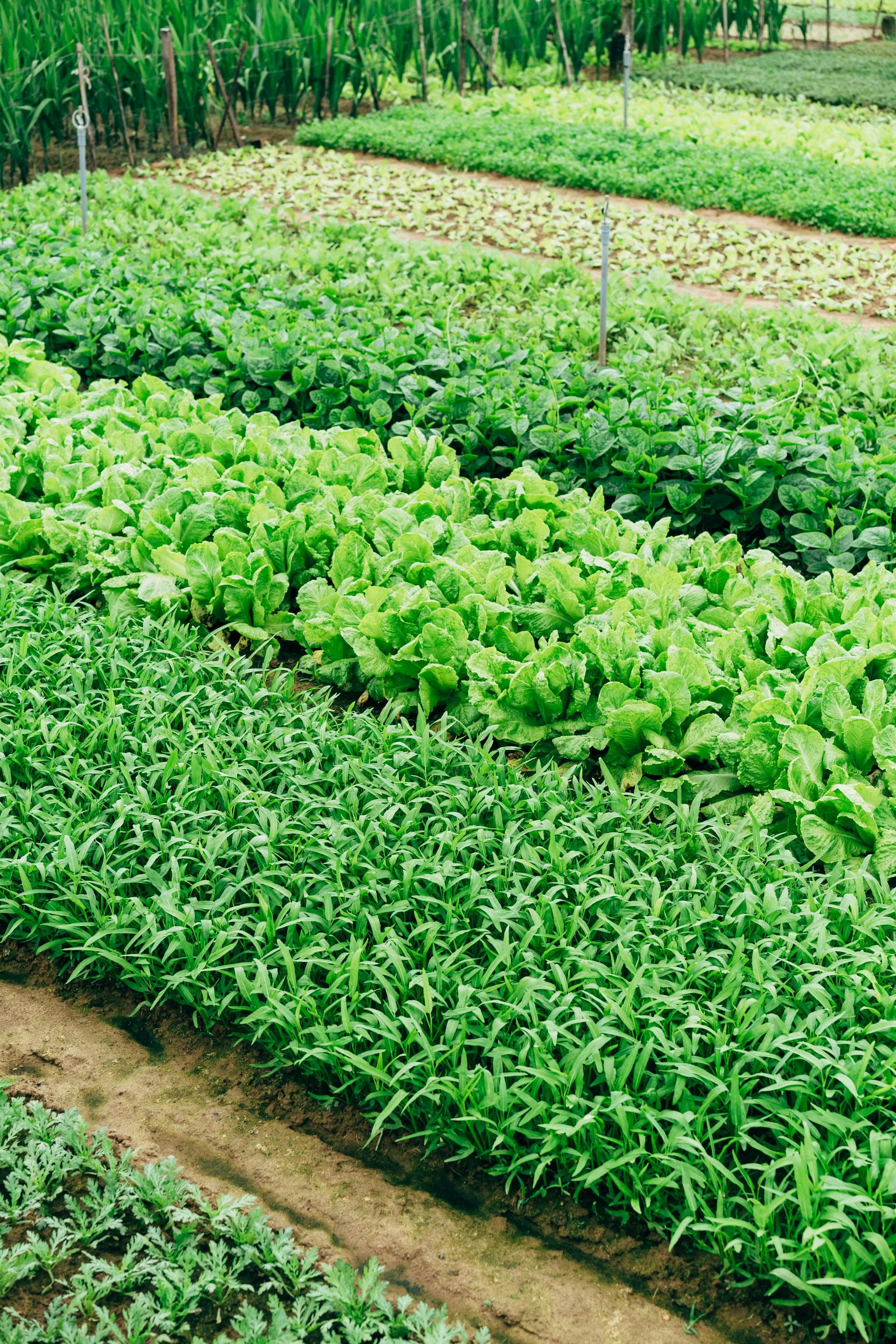
1. Optimize Soil Fertility and Testing
Healthy soil is fundamental for profitable farming. Conducting regular soil tests helps farmers understand soil pH, nutrient levels, and deficiencies to tailor amendments correctly.
- Purchase a reliable soil testing kit such as the Rapitest Soil Test Kit for Gardens to quickly assess soil health at home.
- Interpret results and apply organic fertilizers or soil conditioners accordingly, focusing on nitrogen, phosphorus, and potassium.
- Repeat tests bi-annually to monitor changes and adjust soil management practices.
2. Use Efficient Drip Irrigation Systems
Water management is critical given Kenya's variable climate. Drip irrigation delivers water directly to plant roots, reducing wastage and improving yields.
- Select a drip irrigation kit that suits your farm size, such as the RAINPOINT Drip Irrigation System kit designed for gardens and greenhouses.
- Install the tubing and emitters to cover all planting areas evenly.
- Automate watering schedules if possible to maintain consistent soil moisture.
3. Implement Greenhouse Kits for Regulated Environments
Greenhouses extend growing periods and protect crops from pests and extreme weather, enhancing vertical farm success.
- Choose greenhouse kits suitable for small farms or urban settings, such as the Pure Garden 4 Tier Mini Greenhouse.
- Position greenhouses in locations with adequate sunlight for optimal growth.
- Combine greenhouses with vertical farming racks to maximize space and productivity.
For farmers seeking expert guidance and organic farming solutions in Kenya, explore sustainable organic farming solutions with Biofarm Kenya.
Case Studies, Examples, or Comparisons
Kenyan farmers are increasingly adopting vertical farming methods with notable success. For example, hydroponic vegetable plants produce faster growth cycles compared to soil-based systems, yielding up to 70% more per unit area, as confirmed by research from the Ministry of Agriculture.
An innovative farmer in Nairobi combines aquaponics with vertical farming, integrating fish farming to provide nutrient-rich water for crops, drastically reducing the need for chemical fertilizers and increasing overall farm profitability.
The Food and Agriculture Organization (FAO) highlights such urban farming models as scalable and sustainable for tackling food insecurity in crowded cities like Nairobi and Mombasa.
Common Mistakes to Avoid
- Poor Soil Management: Neglecting soil testing and using inappropriate fertilizers can lead to nutrient imbalances harming crop growth.
- Over or Under Irrigation: Inconsistent watering wastes resources and stresses plants; drip irrigation systems must be correctly calibrated.
- Ignoring Pest Management: Failing to monitor pest outbreaks can cause losses; integrate organic pest controls early.
- Skipping Crop Rotation or Diversity: Growing the same crop repeatedly increases disease risk and soil depletion.
- Overlooking Market Research: Grow crops with proven demand to avoid losses from unsold produce.
Expert Tips or Best Practices
Follow these expert recommendations to boost your vertical farm profitability:
- Maintain soil vitality with organic compost and natural fertilizers like the Drammatic Organic Original Fertilizer for balanced nutrition.
- Invest in a good quality soil test kit to tailor amendments specifically for your crops' needs.
- Adopt drip irrigation to conserve water; regularly check emitters for clogs.
- Utilize modular greenhouse kits to protect sensitive crops and extend growing seasons in cooler months.
- Keep abreast of Biofarm Kenya's resources and partner programs to access expert guidance and finance opportunities: Explore sustainable organic farming solutions with Biofarm Kenya.
Future Trends or Predictions
The future of profitable farming in Kenya prominently includes vertical farming enhanced with smart technology:
- AI-Driven Crop Monitoring: Sensors and AI analyze crop health and automate care to optimize yields.
- Solar-Powered Irrigation Systems: Renewable energy reduces operating costs and carbon footprint.
- Expanded Use of Aquaponics: Integrating fish and plant farming for sustainable nutrient cycling.
- Urban Greenhouses and Rooftop Farms: Pushing farming into new urban spaces to meet growing food demands.
- Data-Driven Farming Decisions: Use of agronomic data platforms to predict pest risks, market trends, and weather impacts.
Conclusion
Embracing the most profitable farming ideas in 2026 such as vertical farming offers Kenyan farmers a pathway to sustainable, high-yield agribusiness ventures. Combining advanced soil testing, efficient drip irrigation, organic fertilizers, and greenhouse technologies can significantly increase productivity even on limited land.
Discover trusted organic farming tools on Amazon and learn more about sustainable solutions with Biofarm Kenya to boost your farm's growth and profitability.
FAQs
What is vertical farming and how does it work in Kenya?
Vertical farming is a method of growing crops stacked vertically in controlled environments such as greenhouses or indoor facilities. In Kenya, it optimizes limited urban land to grow vegetables, herbs, and fruits using hydroponics, aeroponics, or aquaponics systems. Learn more at FAO on Vertical Farming.
Which crops are most profitable for vertical farming in Kenya?
Leafy greens like kale, spinach, herbs such as basil and mint, and specialty vegetables like cherry tomatoes are highly profitable due to their fast growth and market demand. This is supported by Kenya's Ministry of Agriculture reports on high-value crops.
How much water does vertical farming save compared to traditional farming?
Vertical farming can reduce water usage by up to 90% through recirculating water systems and drip irrigation, an important advantage in Kenya’s water-scarce regions. Refer to NEMA Kenya for water conservation resources.
What are the initial costs involved in starting a vertical farm in Kenya?
Costs vary depending on scale; key expenses include infrastructure like vertical racks, greenhouse kits, irrigation systems, and startup seeds or seedlings. Government subsidies and programs by Biofarm Kenya can help reduce initial investment.
Can I use organic fertilizers in vertical farming systems?
Yes, organic fertilizers improve plant health and soil ecology in soil-based vertical systems. For hydroponics, nutrient solutions must be carefully balanced. Products like Drammatic Organic Fertilizer support natural growth.
Where can I learn more about sustainable organic farming practices in Kenya?
Biofarm Kenya provides extensive resources, training, and partnerships for sustainable farming. Visit Biofarm Kenya to get started and join a community of organic farmers.
External Authoritative Links:
- Food and Agriculture Organization (FAO) - Vertical Farming
- National Environment Management Authority (NEMA) Kenya
- Kenya Ministry of Agriculture
- Kenya Bureau of Standards (KEBS)
- Farmonaut - Smart Farming Technologies
- Biofarm Kenya Official Partner Portal
Internal Biofarm Kenya Links:


0 Comments