

Estimated Reading Time: 12 minutes
TL;DR:
- The High-Tech Vertical Farming Revolution is transforming agricultural profitability and sustainability in Kenya by enabling urban, space-efficient farming.
- Vertical farming uses stacked layers, controlled environments, and technologies such as hydroponics, aeroponics, and aquaponics to grow crops year-round with significantly less water and inputs.
- Key strategies include optimizing controlled conditions, integrating renewable energy, and smart irrigation to maximize yields in limited spaces.
- Examples of successful Kenyan farmers adopting vertical farming demonstrate increased food security and economic benefits, supported by government and private sector innovations.
- Avoiding common mistakes in soil and irrigation management, and following expert advice improves productivity and sustainability.
Key Takeaways:
- Implement vertical farming to maximize productivity on small land parcels, particularly in urban or peri-urban Kenyan settings.
- Use smart drip irrigation systems to conserve water and improve crop health.
- Leverage high-quality soil testing kits to monitor nutrient availability and pH for optimal plant growth.
- Invest in quality greenhouse kits to protect crops and extend growing seasons.
- Explore sustainable organic farming solutions with Biofarm Kenya to adopt best practices and technologies.
Introduction
Background & Context
Key Insights or Strategies
Case Studies, Examples, or Comparisons
Common Mistakes to Avoid
Expert Tips or Best Practices
Future Trends or Predictions
Conclusion
FAQs
Introduction
Kenya is at the forefront of a transformative agricultural movement with the High-Tech Vertical Farming Revolution reshaping profitability and sustainability across the sector. As the country grapples with urbanization, limited arable land, and climate variability, innovative farming methods like vertical farming offer a promising solution. By stacking crops vertically within controlled environments, farmers can grow more food on less land, reduce water usage dramatically, and mitigate environmental impacts—all crucial for Kenya’s food security and economic growth. This article dives deep into the concepts, strategies, and practical insights surrounding vertical farming in Kenya, providing actionable guidance for farmers and agribusinesses alike.
Background & Context
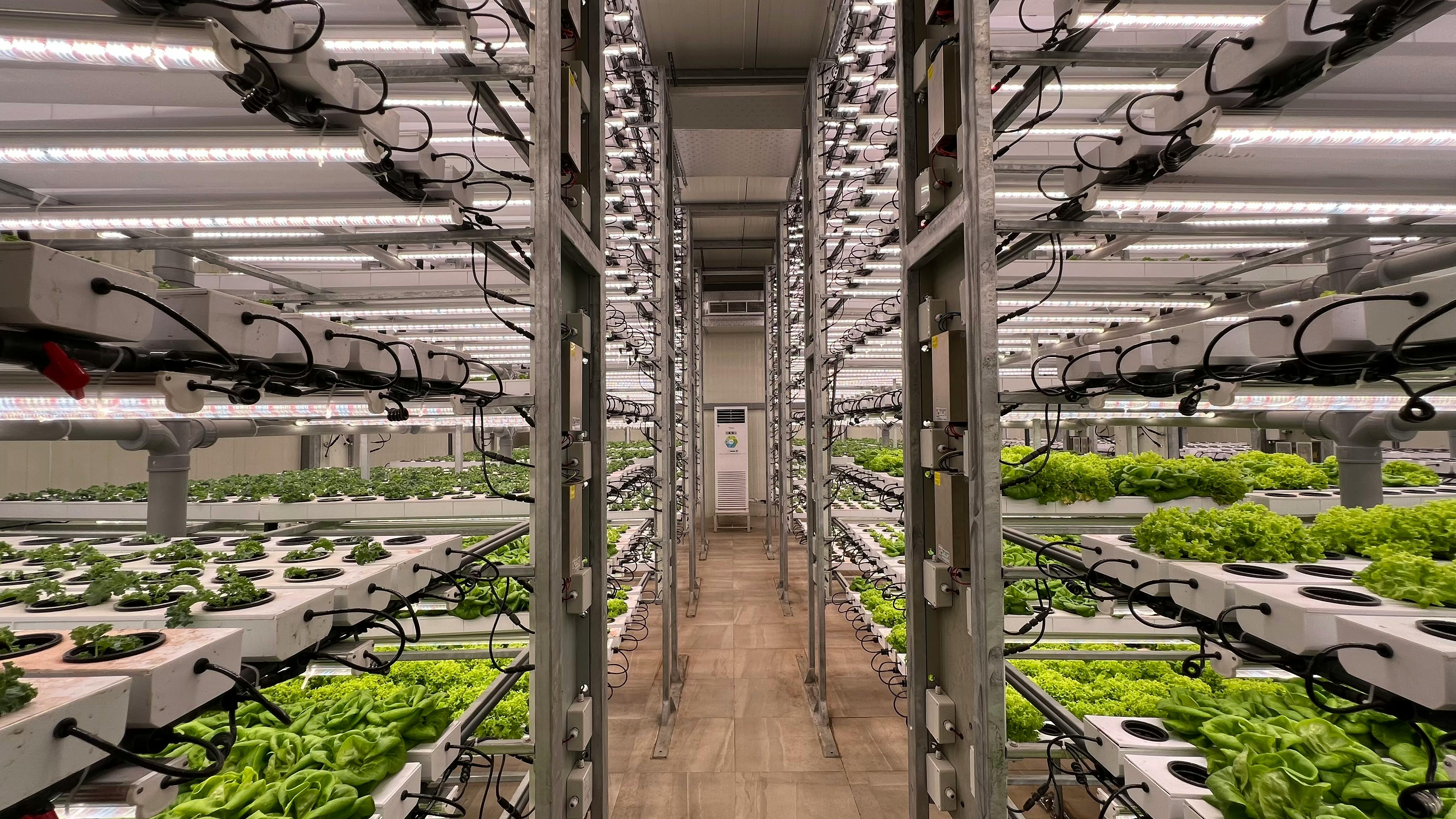
Agriculture remains a cornerstone of Kenya’s economy, engaging over 70% of the rural population. However, traditional farming methods face challenges from shrinking land availability, soil degradation, and erratic weather patterns. Organic farming and sustainable practices are gaining ground, with organic agriculture growing at approximately 6.5% annually in Kenya.
The adoption of vertical farming aligns with Kenya's commitment to increasing agribusiness productivity without expanding its ecological footprint. Recent data indicate that vertical farms can reduce water consumption by up to 90% compared to conventional farming, a critical advantage given Kenya’s periodic droughts and water scarcity.
According to the Ministry of Agriculture, vertical farming is part of Kenya’s innovative drive to enhance soil fertility, reduce pesticide use, and increase urban food production to meet the demands of its fast-growing population.
Key Insights or Strategies
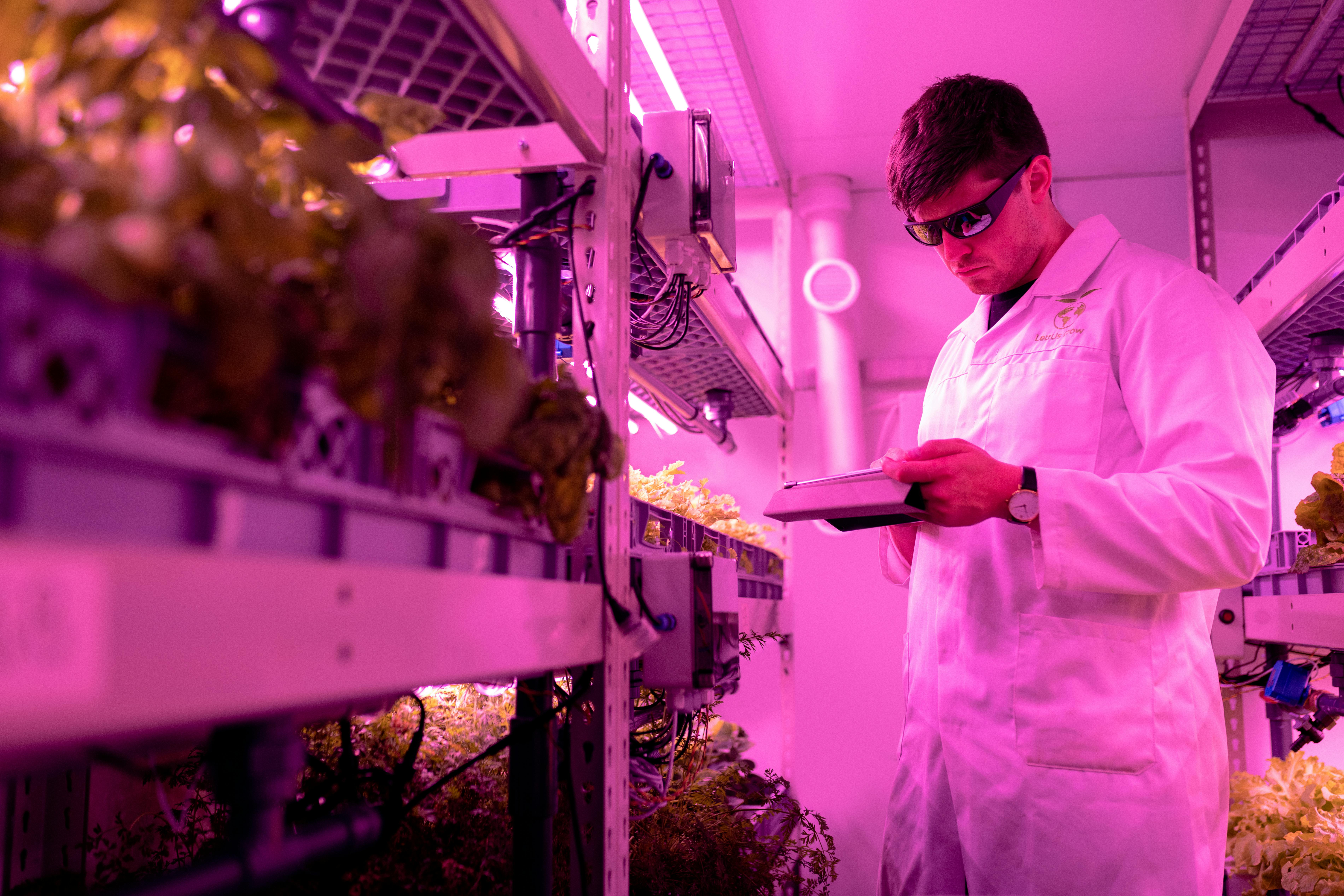
1. Utilize Controlled Environment Agriculture (CEA) Technologies
Vertical farming depends on creating optimal conditions for crops using climate-controlled structures that regulate temperature, humidity, lighting, and CO2 levels.
- Select enclosed greenhouses or indoor setups to protect crops from pests and seasonal fluctuations.
- Incorporate LED grow lights optimized for different growth stages to ensure year-round production.
- Integrate sensors and automated systems for monitoring and adjusting environmental parameters remotely.
2. Adopt Water-Efficient Irrigation Systems
Water conservation is vital in Kenya’s farming. Drip irrigation systems deliver water directly to plant roots, minimizing waste.
- Install a drip irrigation kit such as the versatile Drip Irrigation Kit available on Amazon that allows adjustable water flow and efficient delivery.
- Pair drip systems with rainwater harvesting or recycled wastewater for added sustainability.
3. Optimize Growing Medium and Nutrients
Soil-less growing media like coco coir, peat moss, or rockwool are preferred for vertical farms, reducing risks from soil-borne diseases and improving nutrient control.
- Choose organic or hydroponic nutrient solutions tailored to specific crops.
- Use reliable soil testing kits to regularly assess pH and nutrient levels to avoid deficiencies or toxicities.
Consider tools such as the Yard Mastery Soil Test Kit – essential for precise soil and nutrient management .
4. Leverage Renewable Energy and Automation
Electricity costs can be significant in vertical farming. Kenya’s abundant solar energy provides an ideal renewable power source for running LED lights, climate controls, and irrigation pumps.
- Install solar panels with battery storage to reduce reliance on the grid.
- Incorporate IoT-based automated systems to optimize resource use and labor efficiency.
Explore sustainable organic farming solutions with Biofarm Kenya to access technology-enabled farm management and expert consultations.
Case Studies, Examples, or Comparisons
Several Kenyan farmers and agribusiness innovators have successfully implemented vertical farming techniques to boost yields and profitability. For example, farmers Kimani and Mwithiga developed a balcony vertical farming solution in Nairobi that enables urban households to grow their own vegetables year-round, addressing space constraints and food security.
The Agrotonomy Tower Farm pilot in Nairobi is another pioneering venture using aeroponic towers to grow leafy greens with up to 90% less water than conventional farms. This initiative supports communities near the Maasai Mara by reducing water dependency for crops and creating local employment opportunities.
According to the Food and Agriculture Organization (FAO), vertical farming projects in Kenya also demonstrate a reduction in food waste due to proximity of production to urban consumers, shortening transit times and maintaining freshness.
Common Mistakes to Avoid
- Poor Environmental Control: Failure to monitor temperature and humidity can stunt plant growth or cause disease outbreaks. Use proper sensors and automate settings.
- Irrigation Mismanagement: Overwatering or inconsistent watering can lead to root rot or nutrient leaching. Employ drip irrigation and schedule watering precisely.
- Ignoring Soil/Nutrient Testing: Without regular soil or media testing, nutrient imbalances or pH issues limit crop performance. Use reliable test kits periodically.
- Underestimating Energy Needs: Vertical farms can consume substantial electricity for lighting and climate control. Planning for solar power integration can mitigate costs.
- Insufficient Pest Management: Even in controlled environments, pests can infest crops. Employ integrated pest management and organic solutions.
Expert Tips or Best Practices
Experienced vertical farmers in Kenya recommend starting small with pilot projects before scaling up operations to manage costs and learn operational nuances.
Maintain healthy growing media with frequent testing and amendments. Using organic compost enrichers and natural stimulants improves plant resilience. For instance, the Organic Compost Starter Mix available on Amazon is a helpful aid for nutrient balance.
Use greenhouse kits to create optimal microclimates that protect crops from extreme weather and pest infestations — kits such as the portable greenhouse kits from Amazon offer affordable solutions for smallholder farmers.
Consistently monitor and adjust irrigation schedules using drip systems for maximal water efficiency and crop health.
Explore sustainable organic farming solutions with Biofarm Kenya to receive tailored guidance, training, and quality inputs for your vertical farm.
Future Trends or Predictions
The future of vertical farming in Kenya looks promising with increasing integration of AI and Machine Learning for real-time monitoring and predictive analytics. Smart irrigation systems with sensors and automated feedback loops will minimize resource wastage.
Hybrid systems combining aquaponics (fish farming) with vertical horticulture are gaining traction as sustainable multi-income diversification in Kenyan farms.
Renewable energy innovations, especially solar-powered LED setups, will drive down operational costs further and make vertical farming accessible to more small-scale farmers.
Additionally, urban farming hubs supported by public-private partnerships are expected to proliferate, enhancing local food security and reducing dependence on rural supply chains.
Conclusion
The High-Tech Vertical Farming Revolution is revolutionizing agricultural profitability and sustainability in Kenya by transforming limited urban spaces into productive, resource-efficient farms. Through careful environmental control, efficient irrigation, soil health management, and technological integration, vertical farming addresses multiple pressing challenges—from food security to water scarcity.
Farmers and agribusinesses looking to tap into this opportunity should consider investing in quality drip irrigation kits, soil testing kits, and greenhouse kits to build a robust and sustainable production system. For instance, secure your water management with a Drip Irrigation Kit from Amazon, and regularly check your soil's health with the Yard Mastery Soil Test Kit.
To deepen your sustainable farming practices and access proven organic farming solutions, explore sustainable organic farming solutions with Biofarm Kenya.
Discover trusted organic farming tools on Amazon and learn more about sustainable solutions with Biofarm Kenya.
FAQs
1. What is vertical farming and how does it work in Kenya?
Vertical farming is a method of growing crops in vertically stacked layers within a controlled environment. In Kenya, it involves modern techniques like hydroponics and aeroponics to maximize space and resource efficiency, enabling year-round production especially in urban areas. More info at FAO Vertical Farming Overview.
2. What are the benefits of vertical farming for Kenyan farmers?
Benefits include increased yield per square meter, reduced water usage (up to 90% less), minimal pesticide use, protection from erratic weather, and proximity to urban markets, enhancing freshness and profitability. The Kenya Ministry of Agriculture details support at Ministry of Agriculture Kenya.
3. How can smallholder farmers start vertical farming on a budget?
Start small with backyard vertical farms or balcony systems using affordable materials and drip irrigation kits. Leverage greenhouse kits to protect plants and consult organizations like Biofarm Kenya for local support and technology access.
4. What common mistakes should be avoided in vertical farming?
Avoid neglecting environmental controls, overwatering, ignoring nutrient monitoring, and underestimating energy requirements. Regular soil/media testing with kits such as those available from KEBS improves crop health.
5. How important is water management in vertical farming?
Water management is critical; vertical farms use less water but require precise delivery, often through drip irrigation, to optimize growth and save resources. Learn more about water conservation from NEMA Kenya.
6. What role does technology play in the future of vertical farming in Kenya?
Advanced technologies such as AI-driven monitoring, IoT sensors, renewable energy, and data analytics will enhance productivity, reduce input costs, and make vertical farming more scalable and efficient in Kenya. Follow updates from Biofarm Kenya for innovations.


0 Comments