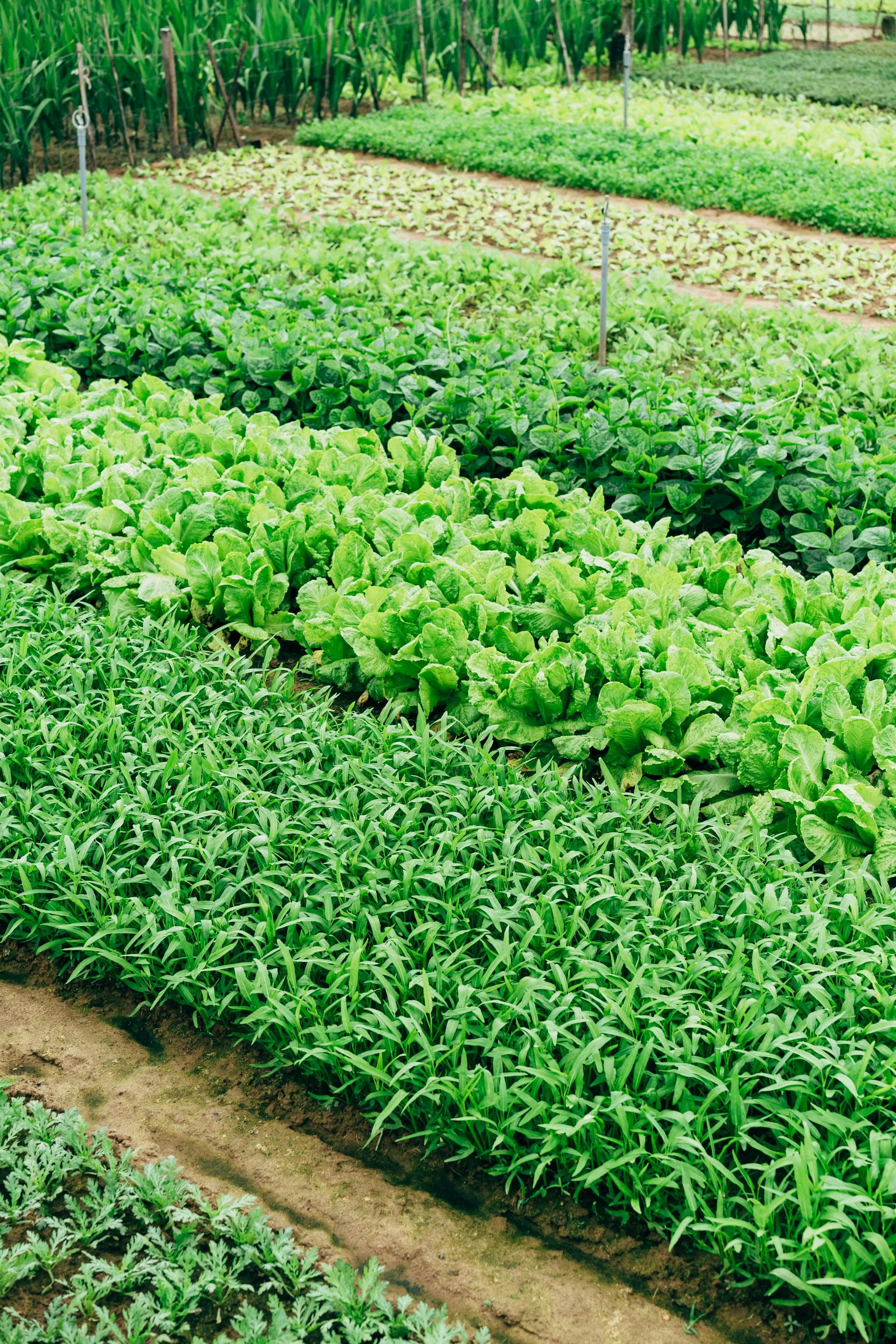
Vertical farming is among the most profitable farming ideas in 2026 due to its space efficiency and sustainability.Kenya's agribusiness landscape is rapidly evolving with organic and vertical farming at the forefront of sustainable agriculture.Innovative irrigation, soil testing, and greenhouse technologies boost yields while minimizing resource use.Challenges like soil degradation and water scarcity can be mitigated with smart farming practices and technology.Partnering with Biofarm Kenya enables access to sustainable organic farming solutions tailored for local conditions.
Key Takeaways:
Adopt vertical farming to maximize yield per square meter and reduce water usage by up to 90% compared to traditional farming.Use organic fertilizers and soil amendments to maintain soil fertility sustainably in Kenyan farms.Implement drip irrigation systems for efficient water use in small-scale and large agribusiness setups.Utilize greenhouse kits to extend growing seasons and protect crops against climate variability.Regular soil testing can guide precise nutrient management, improving crop health and productivity.
Introduction
Kenya’s agriculture sector is experiencing a transformative shift with sustainable methods at the centre of growth. Among the most profitable farming ideas in 2026, vertical farming stands out as an innovative approach that combines technology and organic principles to boost productivity, especially in urban and peri-urban areas where land is scarce. The growing demand for organic, locally sourced food coupled with climate challenges necessitates adoption of such resource-efficient farming systems. This article explores strategies, insights, and practical guidance on profitable vertical farming and related sustainable agriculture models tailored for Kenyan farmers and agribusinesses.
Background & Context
Kenya’s agribusiness sector is a key pillar of the economy, contributing over 33% of GDP and employing about 75% of the rural population. In 2026, sustainable agriculture, especially organic farming and vertical farming, continues to gain ground. Crop diversification, soil fertility restoration, and eco-conscious farming practices support food security and environmental conservation.
According to the Kenya National Bureau of Statistics (KNBS), organic farming in Kenya is projected to grow at an annual rate of more than 8% as consumers and exporters demand chemical-free produce. Soil health is a concern, with degradation affecting up to 30% of agricultural land, making sustainable practices imperative. Urbanization and climate unpredictability challenge traditional farming models, creating space for vertical farming, which can reduce water usage by up to 90% and improve yields significantly even in limited spaces.
Key Insights or Strategies
1. Maximize Space and Resource Efficiency with Vertical Farming
Begin with modular vertical farming units suited for your scale—vertical towers, racks, or hydroponic systems.Select fast-growing, high-demand crops such as leafy greens, herbs, and strawberries.Implement LED grow lights and automated nutrient delivery to optimize plant growth year-round.Monitor environmental parameters with smart sensors to maintain ideal humidity and temperature.Explore aquaponics by integrating fish farming to create a symbiotic ecosystem.
Incorporate compost, farmyard manure, and crop residues to enrich soil fertility naturally.Use organic mineral amendments to supply essential nutrients without chemical residues.Rotate crops and include nitrogen-fixing plants to maintain soil nutrient balance.Partner with suppliers that provide quality organic inputs suited for Kenyan soils.Train farm workers on proper application techniques to minimize nutrient loss.
Install drip irrigation systems to conserve water and deliver moisture directly to the plant roots.Automate watering schedules based on crop needs and weather conditions.Use water sensors and timers to avoid over-irrigation and water wastage.Regularly maintain irrigation infrastructure to prevent leaks and blockages.Train farmers on water management best practices to increase efficiency.
Explore sustainable organic farming solutions with Biofarm Kenya to access expert guidance, quality inputs, and community support.
Case Studies, Examples, or Comparisons
Across Kenya, smallholder farmers and agribusinesses have embraced vertical farming and sustainable practices to increase profitability. For instance, a hydroponic lettuce farm in Nairobi reported yield improvements up to 3 times compared to traditional farming, with harvest cycles shortened to 45 days.
The Food and Agriculture Organization (FAO) notes that Kenya’s vertical farming pioneers reduce water use by 70–90% and increase land productivity, making these models scalable in urban environments.
Additionally, greenhouse technology adoption by farmers in Eldoret demonstrates that controlling temperature and humidity extends production seasons, reduces pest outbreaks, and results in consistent high-quality produce, as documented by the Kenya Agricultural & Livestock Research Organization (KALRO).
Common Mistakes to Avoid
Ignoring soil testing: Leads to nutrient imbalances and poor crop growth.Over-irrigation: Causes root rot, nutrient leaching, and water wastage.Improper organic fertilizer use: Excessive or insufficient application harms microbial life and soil structure.Poor pest and disease management: Results in crop losses and reduced profitability.Neglecting climate adaptation: Can cause crop failure during unexpected weather variations.
Correct these by regular monitoring, farmer training, and adopting adaptive technologies suited for Kenyan conditions.
Expert Tips or Best Practices
Kenyan farmers looking to maximize returns in 2026 should integrate technology with local organic farming traditions. Here are expert-recommended best practices:
Start with a pilot vertical farm setup to understand system nuances before scaling.Maintain healthy soil with organic compost starter mixes that boost microbiome activity and nutrient availability. Use certified organic seeds and nutrient sources vetted for Kenyan agro-ecological zones.Adopt drip irrigation kits like those available through Amazon or Biofarm Kenya partners for water conservation.Engage with agricultural extension services and Biofarm Kenya’s specialist network for ongoing support. Explore sustainable organic farming solutions with Biofarm Kenya to connect with trusted suppliers and technical advisors.
Future Trends or Predictions
Vertical farming is set to grow into a $33.8 billion market by 2027 globally, with East Africa poised to be a significant player. Key innovations expected to shape Kenya’s farming sector include:
Smart irrigation systems: IoT-enabled water management to optimize use and monitor soil conditions remotely.AI-driven crop monitoring: Drones and sensors to detect pests, diseases, and growth stages for timely interventions.Integrated aquaponics: Combining fish farming with hydroponics for sustainable nutrient recycling and dual income streams.Urban rooftop and community vertical farms: Expanding fresh produce access while reducing supply chain emissions.Renewable energy integration: Solar-powered grow lights and pumps to reduce operating costs and carbon footprint.
Conclusion
As Kenya embraces innovative and sustainable farming approaches, vertical farming emerges as one of the most profitable farming ideas in 2026. It offers land-saving, water-efficient, and technology-driven solutions that cater to the country's unique agricultural challenges.
Combining organic fertilizers, smart irrigation such as the Flantor Drip Irrigation Kit and quality greenhouse kits helps farmers boost yields sustainably.
1. What is vertical farming and why is it profitable in Kenya?Vertical farming is a method of growing crops in vertically stacked layers using controlled environment agriculture (CEA) technology. It is profitable in Kenya due to high yield per area, water efficiency, and suitability for urban and peri-urban areas where land is limited. According to FAO, vertical farms can reduce water use by up to 90% compared to conventional farming. (FAO Vertical Farming Overview)2. How can I maintain soil fertility organically in Kenyan farms?Maintaining soil fertility organically involves using compost, manure, green manure crops, and organic mineral amendments to replenish nutrients naturally. Regular soil testing helps monitor nutrient levels. Biofarm Kenya provides access to certified organic inputs tailored to local conditions. (Biofarm Kenya Organic Solutions)3. What are the benefits of drip irrigation for smallholder farmers?Drip irrigation delivers water directly to the plant roots, reducing wastage and improving crop water use efficiency. This system saves labor, reduces weed growth, and can increase crop yields. The Kenya Ministry of Agriculture endorses drip irrigation as a water-smart technology. (Kenya Ministry of Agriculture - Drip Irrigation)4. Are greenhouse kits suitable for Kenyan small farms?Yes, greenhouse kits offer controlled environments to protect crops from extreme weather, pests, and diseases. They extend growing seasons and enhance production consistency. Many affordable kits are designed specifically for smallholder and urban farmers in Kenya. (NEMA Greenhouse Technology)5. How often should soil be tested for optimal nutrient management?For most crops, soil testing is recommended at least once every growing season or every 6 months. This frequency ensures timely detection of nutrient deficiencies or imbalances. The Kenya Agricultural & Livestock Research Organization (KALRO) provides affordable soil testing services for farmers. (KALRO Soil Testing Services)6. How does Biofarm Kenya support sustainable farming?Biofarm Kenya partners with farmers to provide sustainable organic farming inputs, training, and community networking. Their solutions help improve farm productivity while preserving the environment. They emphasize organic fertilizers, pest management, and innovative technologies like vertical farming. (Biofarm Kenya Partner Program)
Biofarm Kenya Organic InputsBiofarm Kenya Farmer SupportBiofarm Kenya Sustainable SolutionsBiofarm Kenya Training and AdviceBiofarm Kenya Partner NetworkBiofarm Kenya Technology Adoption