

Estimated Reading Time: 11 minutes
- Most profitable farming ideas in 2026 include vertical farming as a key solution for space-efficient, high-yield agriculture in Kenya.
- Sustainable organic farming and smart irrigation systems significantly boost crop yields and reduce environmental impacts.
- Key technologies like drip irrigation, soil testing kits, and greenhouse kits help Kenyan farmers increase productivity and profitability.
- Avoid common mistakes like poor soil management, overuse of fertilizers, and inefficient irrigation to sustain farm health and profits.
- Explore innovative farming solutions with trusted partners like Biofarm Kenya to unlock long-term agribusiness success.
- Adopt vertical farming to maximize outputs on limited land in urban and peri-urban Kenya.
- Utilize organic fertilizers and soil testing kits to maintain soil fertility and crop health.
- Implement drip irrigation for effective water management and cost savings.
- Learn from local successful farming case studies and adapt best practices.
- Leverage modern farming kits and partner with Biofarm Kenya for sustainable, profitable farming solutions.
Introduction
Sustainable agriculture is rapidly becoming the backbone of agribusiness growth in Kenya, particularly as farmers seek to adopt the most profitable farming ideas in 2026. Vertical farming, a method of growing crops in stacked layers often integrated into controlled environments, presents an innovative solution to space constraints and food security challenges faced across urban and rural Kenya. Leveraging advancements in organic farming, smart irrigation, and technology, Kenyan farmers are poised to improve productivity while preserving soil health and water resources. This article explores profitable vertical farming and related sustainable farming strategies, offering actionable insights to boost yields and profitability.
Background & Context

Organic farming practices in Kenya have seen significant growth, with reports indicating a rise in organic agriculture land at about 5-7% annually as more farmers adopt environment-friendly methods. Soil fertility challenges remain fundamental, with many regions experiencing degradation from synthetic chemical overuse. FAO statistics show that integrating organic fertilizers improves soil structure and nutrient cycling, thereby increasing long-term farm productivity. Agribusiness investments focusing on sustainable intensification through innovative systems like vertical farming, hydroponics, and drip irrigation are reshaping Kenya’s agricultural landscape, catering to the market demand for fresh, healthy produce.
Key Insights or Strategies
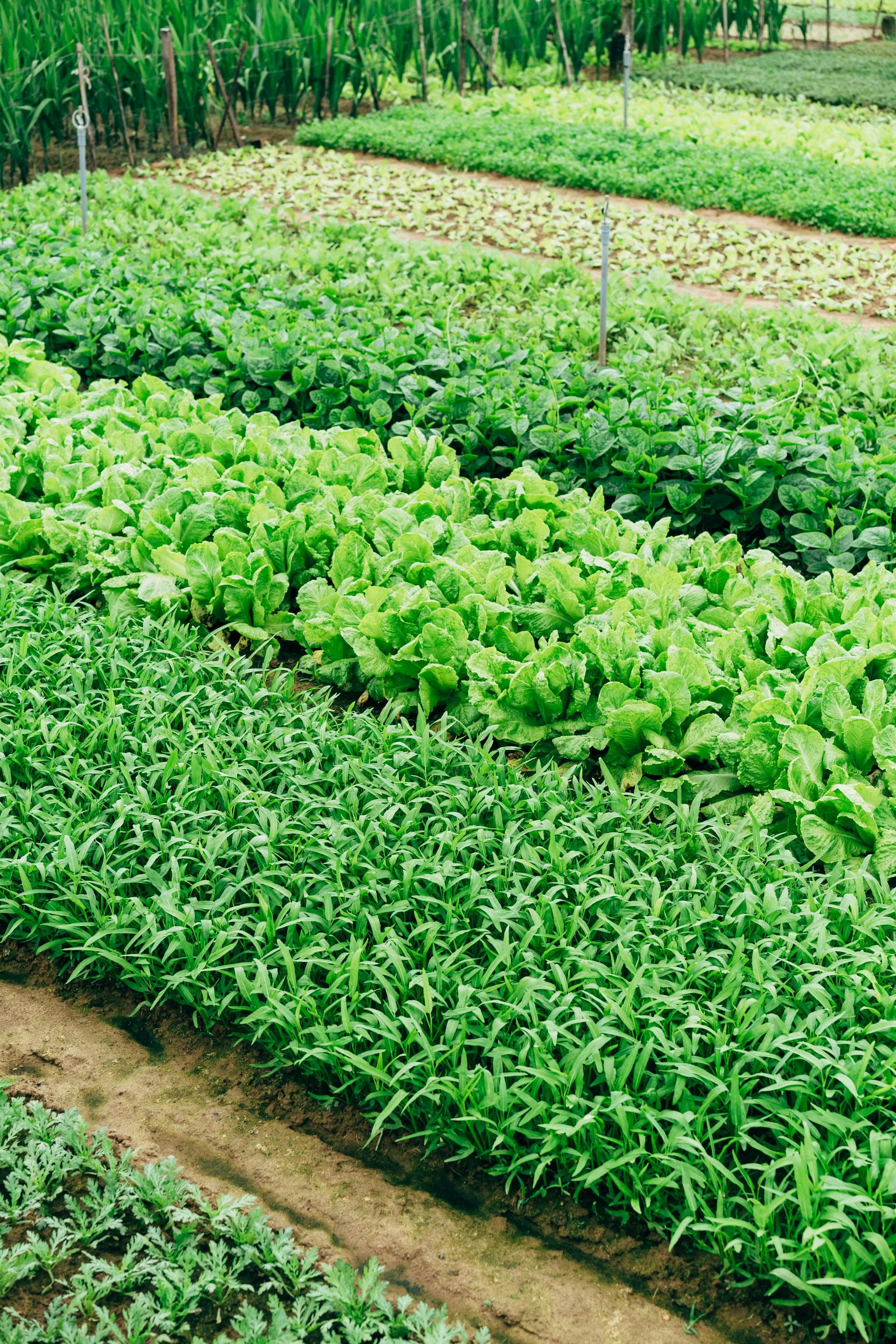
1. Maximize Space and Yield with Vertical Farming
Vertical farming allows stacking of crops vertically using shelves or towers, often under controlled environmental conditions. This reduces land use, optimizes water and nutrient delivery, and shortens growth cycles.
- Identify appropriate crops, such as leafy greens, herbs, and microgreens, that thrive in vertical systems.
- Invest in modular vertical farming frames and hydroponic or aeroponic systems to support crop growth.
- Use organic nutrient solutions for sustainable crop nutrition.
- Install LED grow lights to enhance photosynthesis during off-daylight hours.
- Monitor humidity, temperature, and CO2 levels regularly using affordable digital sensors.
2. Implement Efficient Drip Irrigation Systems
Water scarcity requires efficient irrigation techniques. Drip irrigation minimizes water waste by delivering water directly to the plant roots, improving growth and reducing diseases.
- Choose a complete drip irrigation kit suitable for your farm size to ensure easy installation and maintenance.
- Schedule irrigation based on crop water needs and soil moisture data.
- Regularly check emitters for clogging or damage.
- Combine with mulching to retain soil moisture.
Boost your yields with the Drip Irrigation Kit – available on Amazon.
3. Regular Soil Testing to Maintain Fertility
Knowing your soil’s nutrient profile supports precision application of organic fertilizers, preventing nutrient imbalances and crop stress.
- Collect soil samples from multiple spots in your farm for accuracy.
- Use a reliable soil testing kit to check pH, nitrogen, phosphorus, and potassium levels.
- Adjust fertilizer dosage according to test results using organic amendments.
- Test soil seasonally for continuous health monitoring.
Enhance soil health monitoring with the Soil Testing Kit – available on Amazon.
Explore sustainable organic farming solutions with Biofarm Kenya.
Case Studies, Examples, or Comparisons
Kenyan farmers across Nairobi and Rift Valley have demonstrated remarkable success by integrating vertical farming and other sustainable technologies. For example, a hydroponic farm in Nairobi reported increasing leafy green yields by over 40% within the first year of vertical system adoption. According to Kenya’s Ministry of Agriculture, vertical farming reduces dependence on unpredictable rainfall, thus stabilizing income streams for urban farmers. The Food and Agriculture Organization (FAO) highlights that innovative urban farms in East Africa contribute to food security and job creation, fostering stronger agricultural supply chains.
Common Mistakes to Avoid
- Poor Soil Management: Ignoring soil health and overusing synthetic fertilizers lead to long-term soil degradation. Correct by integrating compost and organic matter regularly.
- Overwatering or Inadequate Irrigation: Excess water causes root rot while under-watering stresses plants. Use drip irrigation and moisture monitoring to balance water use.
- Neglecting Pest and Disease Control: Relying solely on chemical pesticides harms beneficial organisms. Adopt integrated pest management with organic biocontrols.
- Skipping Soil Testing: Guessing fertilizer needs wastes money and harms plants. Conduct regular soil tests to guide nutrient applications.
Expert Tips or Best Practices
Kenyan agricultural experts recommend maintaining crop diversity within vertical farms to reduce pest outbreaks and improve resilience. Use clean, certified seeds and practice crop rotation even within stacked systems. For soil fertility, supplement with organic composts and natural fertilizers to enhance microbial activity. Reliable greenhouse kits for small-scale setups can extend growing seasons, enabling year-round production.
Maintain healthy soil with Organic Compost Starter Mix.
Greenhouse kits like the walk-in or portable greenhouses available on Amazon help protect crops from weather fluctuations and pests.
Explore sustainable organic farming solutions with Biofarm Kenya for tailored advice and quality product access.
Future Trends or Predictions
The future of profitable farming in Kenya leans heavily toward smart agriculture technologies. AI-driven crop monitoring and data analytics will enable precise interventions tailored to farm microclimates. Vertical and rooftop farms integrated with solar power and rainwater harvesting will increase sustainability. Smart irrigation systems featuring IoT sensors will optimize water usage, reducing wastage in drought-prone regions. Crop bioengineering and organic biostimulants are expected to enhance yields while maintaining environmental health.
Conclusion
In summary, vertical farming stands out as a most profitable farming idea in 2026 for Kenyan farmers seeking to maximize production on limited land sustainably. Integrating organic soil management, drip irrigation, and greenhouse technologies further supports sustainable agricultural success. For farmers exploring these innovations, reliable tools such as organic farming tools on Amazon offer practical solutions. To deepen your commitment to eco-friendly profitable agriculture, learn more about sustainable solutions with Biofarm Kenya.
FAQs
Leafy greens like spinach, kale, and herbs such as basil and mint thrive in vertical farming systems due to their quick growth and lower nutrient needs. Microgreens and strawberries also perform well. For details on crop choices, see FAO's urban agriculture guidelines: FAO Urban Agriculture.
Drip irrigation delivers water directly to plant roots, significantly reducing water loss by evaporation or runoff. This method can save up to 70% of water compared to traditional irrigation. Learn more at Kenya Water Institute: KWI Water Efficiency.
It's recommended to test soil at least once per growing season, or twice annually for intensive farming. This helps in applying the right type and amount of fertilizer. KEBS provides guidance on soil testing protocols: KEBS Soil Testing.
Yes, greenhouse kits protect plants from weather extremes and pests, enhance growth cycles, and enable year-round production, often paying back within two years through increased yields. For local options, refer to Ministry of Agriculture Kenya: MOA Greenhouse Programs.
Avoid overwatering, neglecting pest control, and using non-certified seeds. Maintain clean systems to reduce mold and bacterial build-up. For training, consult NEMA’s environmental guidelines: NEMA Farming Guidelines.
Biofarm Kenya offers expert advice, quality organic inputs, and technology solutions tailored for Kenyan farmers to scale profitable and sustainable agriculture. Visit their partner page for resources and tools: Biofarm Kenya Partners.


0 Comments