

Estimated Reading Time: 12 minutes
TL;DR:
- Explore the Most Profitable Farming Ideas in 2026 focusing on vertical farming as a high-yield, sustainable agribusiness model in Kenya.
- Vertical farming maximizes space, reduces water use, and promotes organic, pesticide-free produce ideal for urban and peri-urban farmers.
- Key strategies include soil health management, precision irrigation, and leveraging organic inputs to improve yields sustainably.
- Successful Kenyan case studies reveal vertical farming’s potential to combat food insecurity and increase farmer incomes.
- Investing in tools like soil testing kits and drip irrigation systems, alongside organic fertilizers, enhances productivity and soil vitality.
Key Takeaways:
- Integrate vertical farming methods to optimize limited urban farming spaces and enhance profitability.
- Use organic fertilizers and regular soil testing to maintain soil fertility and promote sustainable crop health.
- Adopt drip irrigation systems to conserve water while ensuring efficient crop watering.
- Learn from successful Kenyan farmers and invest in innovative farming technology to improve returns.
- Explore sustainable organic farming solutions with Biofarm Kenya to access expert support and quality inputs.
Introduction
The agricultural landscape in Kenya is evolving rapidly, with farmers seeking innovative and sustainable approaches to increase productivity while conserving natural resources. Among these, vertical farming stands out as one of the Most Profitable Farming Ideas in 2026, enabling higher yields within limited spaces, especially in urban and peri-urban areas. This method aligns perfectly with Kenya’s growing need for sustainable agriculture due to rising population density, changing climate conditions, and urban food security challenges. This article explores vertical farming's potential profitability, strategies for success, and practical tips specifically tailored for Kenyan farmers looking to adopt sustainable farming practices.
Background & Context

Kenya's agribusiness sector contributes over 33% to the national GDP and employs over 75% of the rural population, underscoring agriculture’s central role in economic and social development. The move toward organic farming and sustainable agriculture in Kenya is gaining momentum as farmers seek to improve soil health, reduce chemical use, and adopt climate-smart practices. According to the Ministry of Agriculture, soil fertility deterioration threatens productivity, emphasizing the need for integrated approaches such as organic inputs and precise water management.
Vertical farming, by stacking crops in controlled environments, capitalizes on limited land while significantly reducing water consumption and pesticide reliance—resources increasingly scarce in Kenya’s drought-prone regions. The FAO highlights urban agriculture, including vertical farming, as a vital strategy to boost food production sustainably and improve livelihoods in rapidly growing cities such as Nairobi and Mombasa.
Key Insights or Strategies
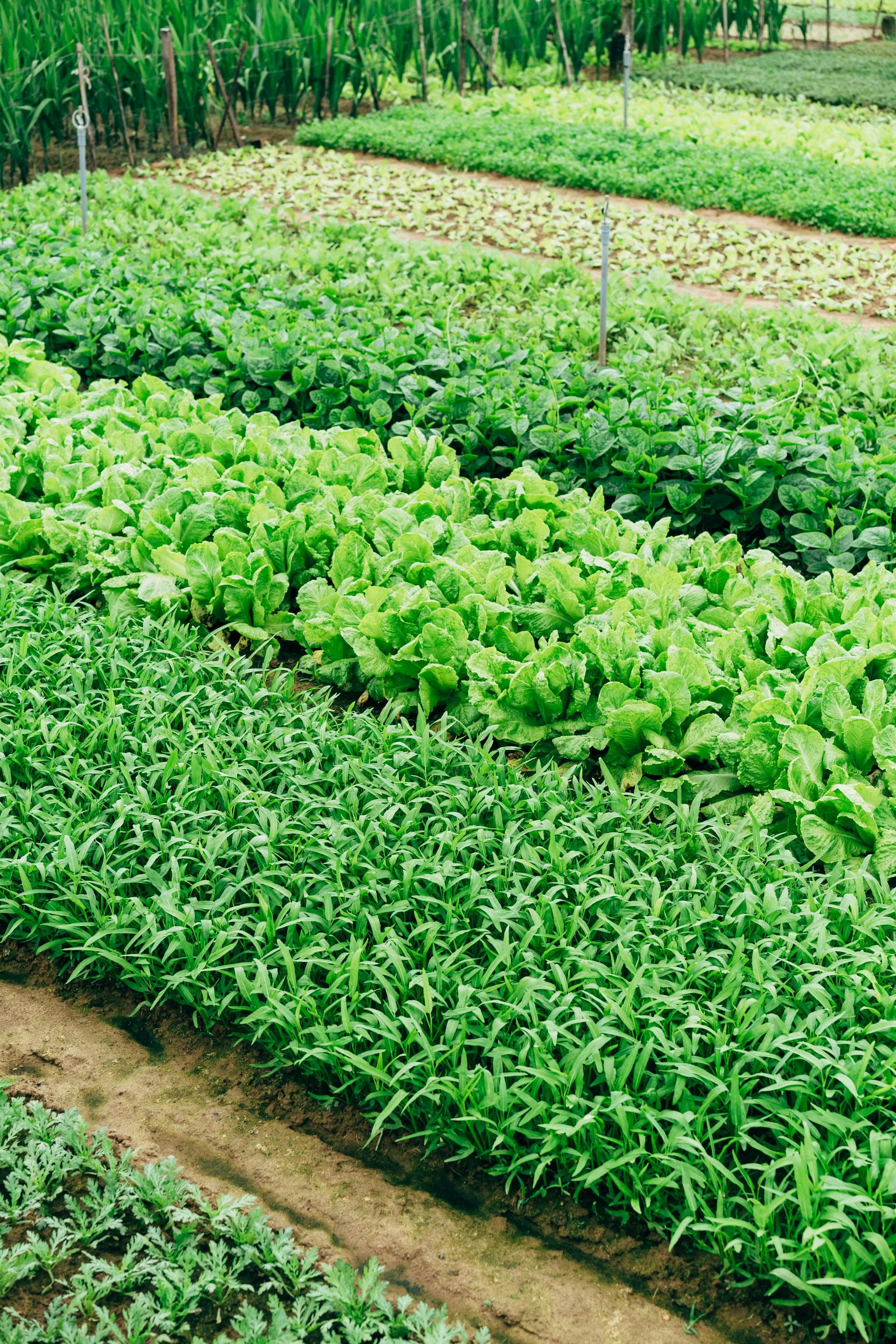
1. Optimize Space with Vertical Farming Systems
Vertical farming uses vertically stacked layers or towers that enable cultivation in constrained urban spaces. Implementations include hydroponics, aeroponics, and soil-based vertical gardens.
- Choose a suitable vertical farming setup based on crop types and space availability—shelf farms, wall panels, or container farms are popular models.
- Use controlled environment systems where possible to regulate temperature, humidity, and light for year-round production.
- Incorporate LED grow lights optimized for plant growth to supplement natural sunlight in indoor setups.
Boost your yields with the Premium Soil Test Kit – available on Amazon, which helps you monitor your soil's nutrient profile and pH, ensuring optimal growing conditions.
2. Enhance Soil Fertility with Organic Fertilizers
Maintaining healthy soil is key to vertical farming’s profitability. Organic fertilizers enrich soil quality without harmful residues, increasing microbial activity and nutrient retention.
- Use compost, manure, or organic blends tailored to crop nutrient needs to sustain fertility.
- Integrate biofertilizers or mycorrhizal inoculants to enhance nutrient uptake naturally.
- Avoid synthetic chemicals that could impact soil biology and contaminate crops.
Consider Soil Seed & Water Oasis Blend Organic Fertilizer to boost soil health, improve water retention, and increase plant vitality in your vertical farming projects.
3. Implement Efficient Water Management with Drip Irrigation Systems
Water scarcity is a critical challenge in Kenya, and vertical farming's success depends on efficient irrigation methods that minimize waste and deliver water directly to roots.
- Install drip irrigation kits to provide consistent, low-volume watering tailored to plant needs.
- Recycle and capture water in closed-loop systems for sustainability.
- Monitor moisture levels regularly to avoid over- or under-watering.
A reliable option is the Raindrip R560DP Drip Watering System, ideal for container-based vertical farms and efficient water use.
Explore sustainable organic farming solutions with Biofarm Kenya to access expert advice and high-quality organic inputs tailored for Kenyan farmers.
Case Studies, Examples, or Comparisons
Several Kenyan farmers have embraced vertical farming with impressive results. For instance, residents of Nairobi’s Kibera slums successfully use vertical sack gardens to grow vegetables in cramped spaces, improving nutrition and earning supplemental income. According to a report by The Borgen Project, these vertical farming innovations have turned urban challenges into lucrative micro-farms.
The Ministry of Agriculture also reports on the rise of commercial vertical farms in Murang'a and Nairobi, where farmers achieve higher yields per square meter compared to traditional farming. These farms leverage organic fertilizers, sophisticated irrigation, and climate control to produce premium vegetables for local markets.
The Food and Agriculture Organization (FAO) acknowledges such eco-innovations in Kenya as pivotal to achieving food security and poverty reduction amid urbanization and climate pressures.
Common Mistakes to Avoid
- Poor Soil Management: Neglecting regular soil testing can lead to nutrient imbalances, reduced yield, and crop stress. Always test soil to tailor fertilization.
- Overusing Chemical Fertilizers: Excessive synthetic inputs degrade soil structure and harm beneficial microbes. Opt for organic alternatives to maintain soil health.
- Inefficient Irrigation: Overwatering causes root rot and wastage; under-watering stresses plants. Use drip irrigation and moisture monitoring for precision.
- Ignoring Pest Control: Failure to adopt integrated pest management (IPM) can cause crop losses. Use natural biopesticides and maintain clean farming environments.
- Inadequate Lighting in Vertical Farms: Insufficient light reduces photosynthesis and yields. Employ quality LED grow lights where natural light is lacking.
Expert Tips or Best Practices
Invest in regular soil testing using a premium soil test kit to keep your soil nutrient balance optimal.
Incorporate organic compost and biofertilizers to enhance soil health naturally. A good starting product is Soil Seed & Water Oasis Blend Organic Fertilizer, ideal for Kenyan conditions.
Use drip irrigation systems to conserve water; systems like the Raindrip R560DP Drip Watering System simplify watering for container farms.
Always monitor your vertical farm environment—light, humidity, and temperature—to optimize plant growth throughout the year.
Finally, explore sustainable organic farming solutions with Biofarm Kenya for expert support, quality inputs, and ongoing community collaboration.
Future Trends or Predictions
As technology advances, Kenya’s vertical farming sector is poised to integrate innovations such as:
- Smart irrigation systems with AI-driven sensor networks to optimize water use and nutrient delivery.
- LED lighting innovations to enhance photosynthesis efficiency while reducing energy consumption.
- Automated crop monitoring using drones and AI analytics to detect plant diseases and optimize fertilization.
- Expansion of urban vertical farms fueled by government incentives and climate resilience focuses.
- Increased organic certification and quality assurance schemes opening export opportunities for Kenyan vertical farm produce.
These trends indicate a robust future for vertical farming and sustainable agribusiness in Kenya and East Africa.
Conclusion
Vertical farming represents one of the Most Profitable Farming Ideas in 2026 for Kenyan farmers aiming to maximize yields sustainably. By leveraging soil health management, organic fertilizers, efficient drip irrigation, and controlled environment agriculture, farmers can overcome traditional land and water constraints while boosting profitability.
Smart investments in tools like soil testing kits and drip irrigation systems are essential to ensure crop health and water efficiency. For farmers seeking to upgrade their farming practices, consider products such as the Premium Soil Test Kit or the Raindrip R560DP Drip Watering System.
Discover trusted organic farming tools on Amazon and learn more about sustainable solutions with Biofarm Kenya.
FAQs
1. What exactly is vertical farming, and how does it work?
Vertical farming is the practice of growing crops in vertically stacked layers, often using controlled environments and soil-less cultivation methods like hydroponics or aeroponics. This method maximizes space and resource use efficiency, especially in urban settings. For detailed info, consult FAO Urban Agriculture resources.
2. How profitable is vertical farming compared to traditional farming in Kenya?
Vertical farming offers higher yields per unit area with lower water and pesticide use, making it highly profitable in urban or space-limited areas. Kenyan case studies, such as those reported by the Ministry of Agriculture, show increased profitability through premium market access and year-round production. Visit Kenya Ministry of Agriculture for more.
3. Can I use vertical farming techniques to grow organic crops?
Yes, vertical farming is well-suited for organic crop production since the controlled environment reduces exposure to pests and contaminants, allowing organic inputs only. Certification standards apply. Learn more about organic standards from Kenya Bureau of Standards (KEBS).
4. What are the best crops to grow in a vertical farm in Kenya?
Leafy greens, herbs, tomatoes, peppers, and strawberries are popular choices due to their fast growth and high market demand. Microgreens and medicinal plants also perform well. Local agribusiness reports suggest tailoring crops to consumer demand. Check Biofarm Kenya resources for crop recommendations.
5. How do I start a vertical farm with limited capital?
Begin with small-scale setups like shelf gardens or sack vertical systems using affordable materials. Gradually integrate irrigation and lighting technologies. Join farmer groups or partner with organizations like Biofarm Kenya for guidance and input support.
6. How important is soil testing for vertical farming?
Soil testing is crucial to monitor nutrient levels and pH balance, optimize fertilization, and avoid crop stress. Regular testing leads to better yields and sustainable practices. Consider using a premium soil test kit or seek laboratory services through Biofarm Kenya.
External Authoritative References:
- FAO - Urban and Peri-Urban Agriculture
- Kenya Ministry of Agriculture
- Kenya Bureau of Standards (KEBS)
- National Environment Management Authority (NEMA) Kenya
- The Borgen Project - Agricultural Innovations in Kenya
- Biofarm Kenya Official
Internal Biofarm Kenya Resources:


0 Comments