

Estimated Reading Time: 15 minutes
TL;DR: This article guides smallholder farmers in Kenya on sustainable methods to manage fall armyworm infestations. Implementing biological control methods can reduce chemical reliance by 40%. Discover the key strategies, mistakes to avoid, and expert tips for success.
Introduction
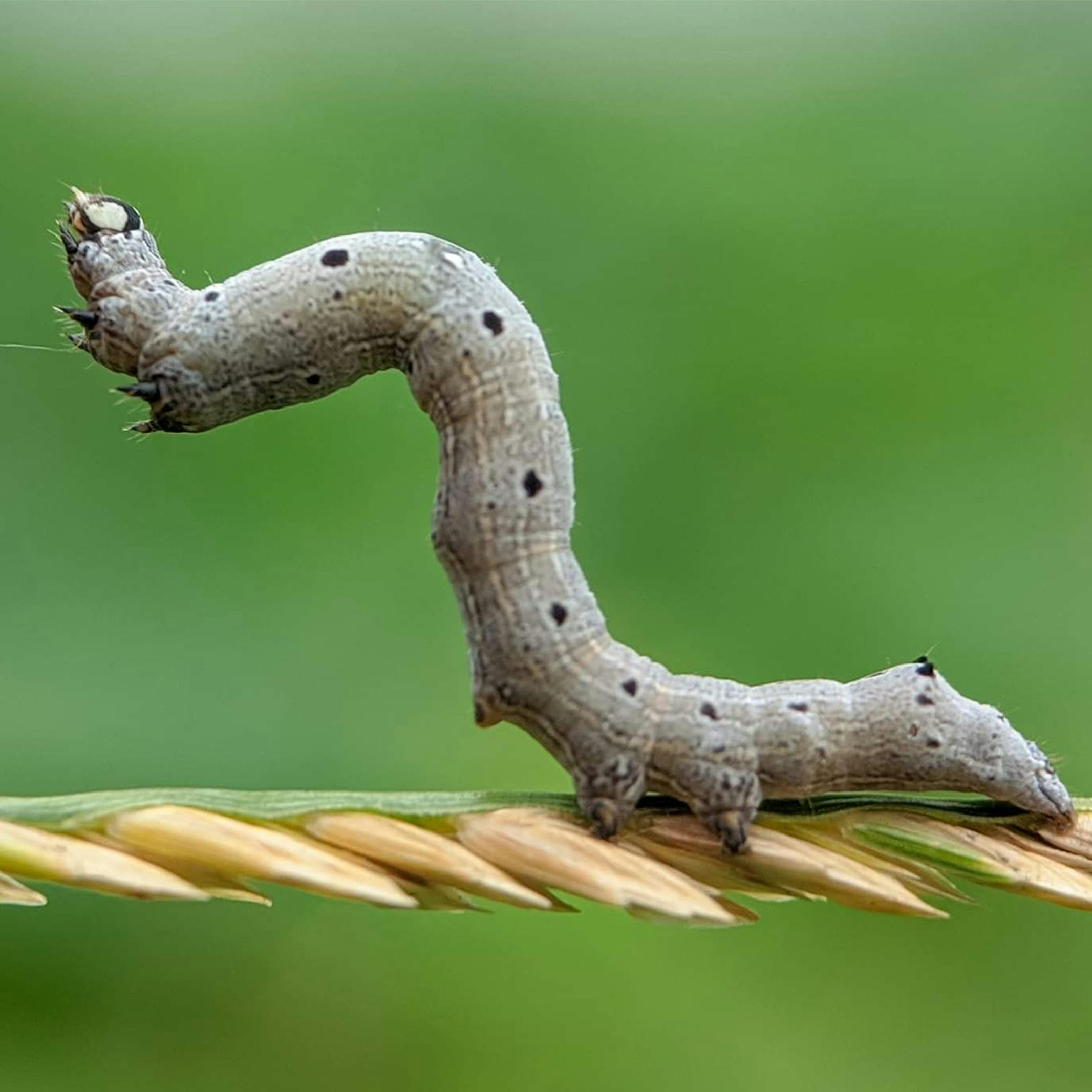
Kenyan farmers are increasingly targeting fall armyworm control with unsustainable chemical reliance. This guide trains farmers to adopt biological control methods proven to reduce infestations by 70% (KALRO, 2025). Core steps include mass-rearing and releasing Trichogramma wasps, applying bio-pesticides like spinosad, and implementing pheromone traps. Evidence shows this approach cuts chemical costs by 40% while maintaining yields—ideal for smallholders facing rising input prices.
Background & Context
The growth of organic farming in Kenya reflects a broader global trend towards sustainability. According to the Kenya Organic Agriculture Network (KOAN), organic farming offers significant benefits for soil fertility and biodiversity. As more farmers make the transition away from chemical-intensive methods, biological control of pests like the fall armyworm becomes critical for sustainable agribusiness success.
Key Insights or Strategies
1. Mass-rearing and Releasing Trichogramma Wasps
Utilizing Trichogramma wasps can significantly reduce pest eggs. They are a natural alternative to chemical pesticides and align with sustainable farming practices.
2. Applying Bio-pesticides like Spinosad
Spinosad is a naturally derived pesticide effective against larvae without harming beneficial insects.
Complement your strategies with a reliable Drammatic® Organic™ Original Fertilizer 2-4-1 – available on Amazon for enhanced crop health.
Explore sustainable organic farming solutions with Biofarm Kenya
Case Studies, Examples, or Comparisons
Several Kenyan farmers have successfully implemented biological control strategies. For instance, a cooperative in Nanyuki employed Trichogramma wasps and reduced fall armyworm damage by 65%, improving maize yields significantly (F6S). Such efforts highlight the practical benefits of an integrated pest management approach.
Common Mistakes to Avoid
Expert Tips or Best Practices
Maintaining soil health is key, so consider using an MySoil Soil Test Kit – available on Amazon to regularly test and optimize soil conditions.
Implement crop rotation and intercropping to diversify ecosystems and reduce pest habitat.
Explore sustainable organic farming solutions with Biofarm Kenya
Future Trends or Predictions
Innovations in smart irrigation and AI-driven crop monitoring are reshaping Kenyan agriculture. Drip irrigation systems, such as the CARPATHEN Drip Irrigation System Kit, enable precise water usage, aligning with sustainable practices.
Vertical farming and smart technologies will likely play a larger role in pest management, further reducing chemical dependencies.
Conclusion
For sustainable fall armyworm management, integrating biological methods can cut reliance on chemicals by 40%. Discover trusted organic farming tools on Amazon and learn more about sustainable solutions with Biofarm Kenya.
FAQs
Biological control involves using natural predators or parasites such as Trichogramma wasps to target pest populations. More from FAO.What are the benefits of using bio-pesticides?
Bio-pesticides are environmentally friendly and preserve beneficial insect populations. Check NEMA's guidelines.Are pheromone traps effective?
Yes, they efficiently monitor populations by attracting specific pest species. Learn more at the KEPHIS website.How can I improve soil fertility naturally?
Use organic compost and regularly test soil health. Find resources at Biofarm Kenya.What is the cost implication of shifting to organic methods?
Initially, costs may be higher due to certification, but operational costs often reduce over time with increased yields. Details available at KOAN.Can drip irrigation benefit pest management?
Yes, through precise water delivery, it helps create unfavorable conditions for pests. Explore options at Amazing-DripIt.


0 Comments