

Estimated Reading Time: 12 minutes
TL;DR: Discover how Kenyan farmers can cut fertilizer costs through integrated nutrient management, adopt precision soil testing, and support crop health with beneficial fungi.
Key Takeaways:
- Transition to compost and legume intercropping.
- Utilize soil testing kits for precise nutrient application.
- Enhance root health with mycorrhizal fungi.
Introduction
Sustainable soil revival is essential for Kenyan farmers as they face rising fertilizer costs and soil degradation. Recent Tavily data highlights the growing interest in organic soil revival techniques and reducing chemical dependency. This guide explores integrated nutrient management, precision fertilizer application, and leveraging mycorrhizal fungi for healthier crops.
Background & Context
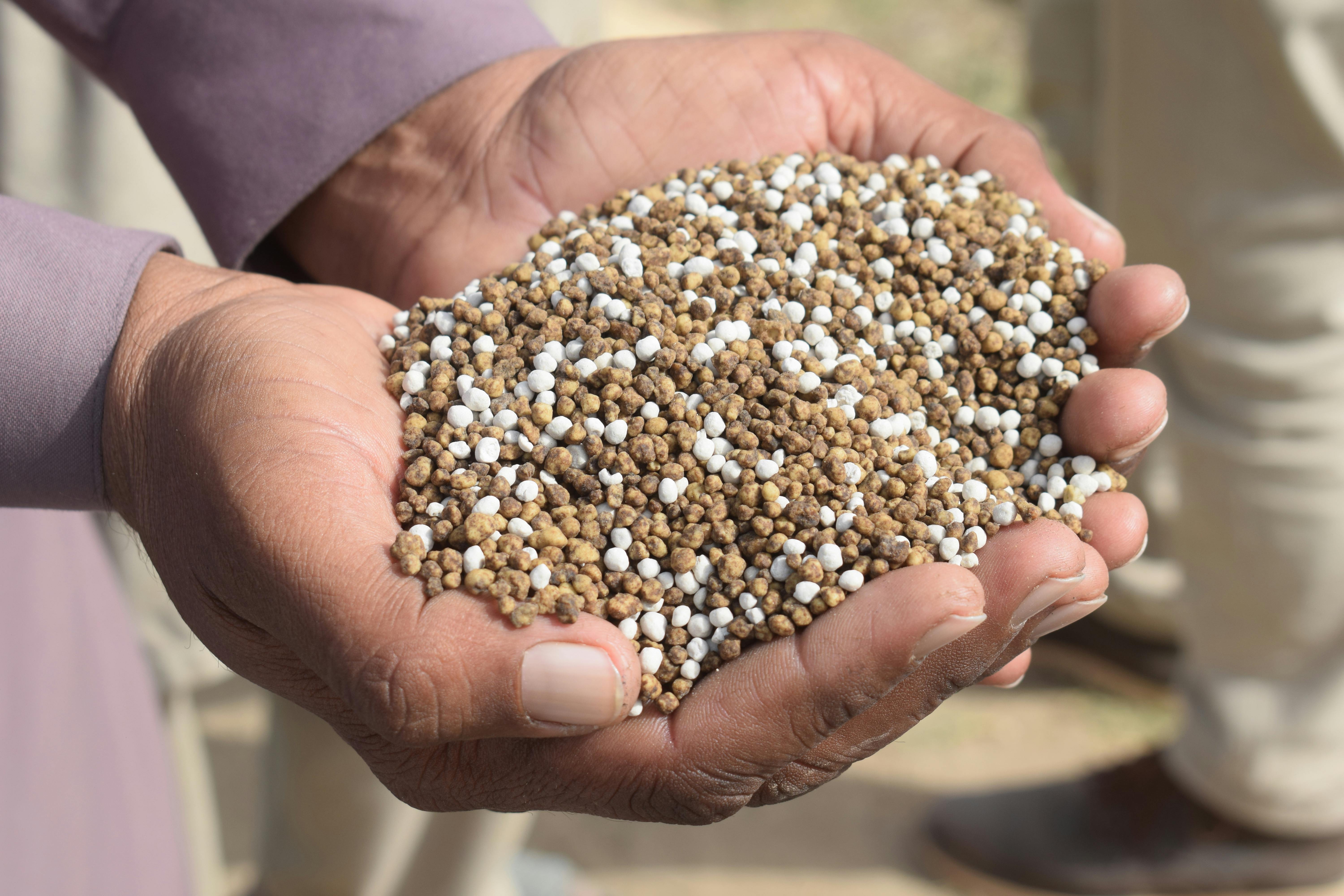
In Kenya, agricultural productivity relies heavily on soil health. However, extensive use of synthetic fertilizers has led to increased costs and environmental concerns. According to the FAO, sustainable agriculture practices are necessary to reverse soil malnutrition and improve yields sustainably.
Key Insights or Strategies

Integrated Nutrient Management
- Start with composting organic waste and integrating legume crops to fix nitrogen.
- Use cover crops to prevent soil erosion and improve soil structure.
- Incorporate traditional practices with modern techniques to maximize soil health.
Precision Fertilizer Dosing
- Conduct soil tests using reliable kits to understand nutrient requirements.
- Apply precise doses of fertilizers based on soil analysis results.
- Monitor soil health regularly to adapt practices accordingly.
Mycorrhizal Fungi Usage
- Employ mycorrhizal inoculants to enhance nutrient uptake and root development.
- Combine with organic matter to create an enriched plant growth environment.
- Prevent soil exhaustion by cycling crops and using beneficial organisms.
Case Studies, Examples, or Comparisons
Farmers in Embu, Kenya, achieved significant improvements in yield using organic fertilizer pellets produced by ECoH Holdings. This example demonstrates the profitability and environmental benefits of organic amendments.
Common Mistakes to Avoid
- Over-reliance on chemical fertilizers without soil testing leads to nutrient imbalance.
- Neglecting crop rotation can reduce soil fertility and exacerbate pest issues.
- Using non-adapted irrigation systems results in water wastage and soil erosion.
Expert Tips or Best Practices
Ensure sustainable soil management by:
- Composting kitchen and farm waste regularly.
- Incorporating native plant species to enhance biodiversity.
- Adapting to climate-smart practices like rainwater harvesting.
Learn more about sustainable solutions with Biofarm Kenya.
Future Trends or Predictions
Emerging innovations such as AI-driven crop monitoring, smart irrigation systems, and vertical farming are expected to redefine sustainable agriculture in East Africa. These technologies will enhance productivity while ensuring environmental conservation.
Conclusion
Sustainable soil revival is possible and profitable for Kenyan farmers. By adopting integrated nutrient management techniques and utilizing advanced tools, farmers can improve soil health and reduce costs. Discover trusted organic farming tools on Amazon and learn more about sustainable solutions with Biofarm Kenya.
FAQs
What are the main benefits of using mycorrhizal fungi in crop production?
Mycorrhizal fungi increase nutrient uptake, promote root growth, and enhance stress tolerance. This results in healthier plants and improved yields. Learn more.
How do I conduct a soil test before planting?
Collect soil samples from different spots in your garden, mix them, send them to a lab or use a home test kit to analyze nutrient content. Find more guidelines at NEMA.
Why is crop rotation important for soil health?
Crop rotation disrupts pest cycles, prevents soil exhaustion, and enhances nutrient cycling, ensuring long-term soil fertility. More details at FAO.
What is precision agriculture and its relevance in Kenya?
Precision agriculture uses technological advancements to optimize field-level management. This enhances efficiency and sustainability, crucial for Kenya’s diverse farming landscapes. Read more from KALRO.
How does conservation agriculture support sustainable farming in East Africa?
It improves soil structure, enhances water retention, and increases biodiversity, promoting resilient farming systems. For comprehensive insights, visit AGRA.
Can I use organic fertilizers for all types of crops?
Yes, but different crops have specific nutritional needs. Tailor organic fertilizer application based on crop type and soil test results. More information at Biofarm Kenya.
This HTML document is organized and optimized for publication on Blogger or WordPress, following SEO best practices and providing valuable insights for Kenyan farmers.


0 Comments