Estimated Reading Time: 15 minutes
Organic fertilizers in Kenya can reduce input costs by 40%.Composting and biochar are key strategies for soil health.Soil testing kits help monitor and optimize soil conditions.Successful case studies highlight the potential of organic solutions.Explore sustainable organic farming solutions with Biofarm Kenya.Implement composting using crop residues and manure.Incorporate biochar to retain moisture and sequester carbon.Use affordable soil test kits to monitor soil pH and nutrient levels.Background & ContextKey Insights or StrategiesCase Studies, Examples, or ComparisonsCommon Mistakes to AvoidExpert Tips or Best PracticesFuture Trends or PredictionsConclusionFAQsIntroduction
Kenyan farmers are increasingly seeking solutions to soil degradation and rising fertilizer costs. This guide trains smallholders to transition from chemical to organic fertilizers, showing how composting and biochar improve soil health while cutting input costs by 40%. Organic farming in Kenya offers a pathway to sustainable agriculture, aligning with global trends and addressing local environmental challenges.
Background & Context

Organic farming in Kenya is not only a response to the ecological impacts of conventional agriculture but also an economic necessity. According to Bwagabei Farms, farmers across Kenya are discovering organic techniques to be more profitable.
Key Insights or Strategies
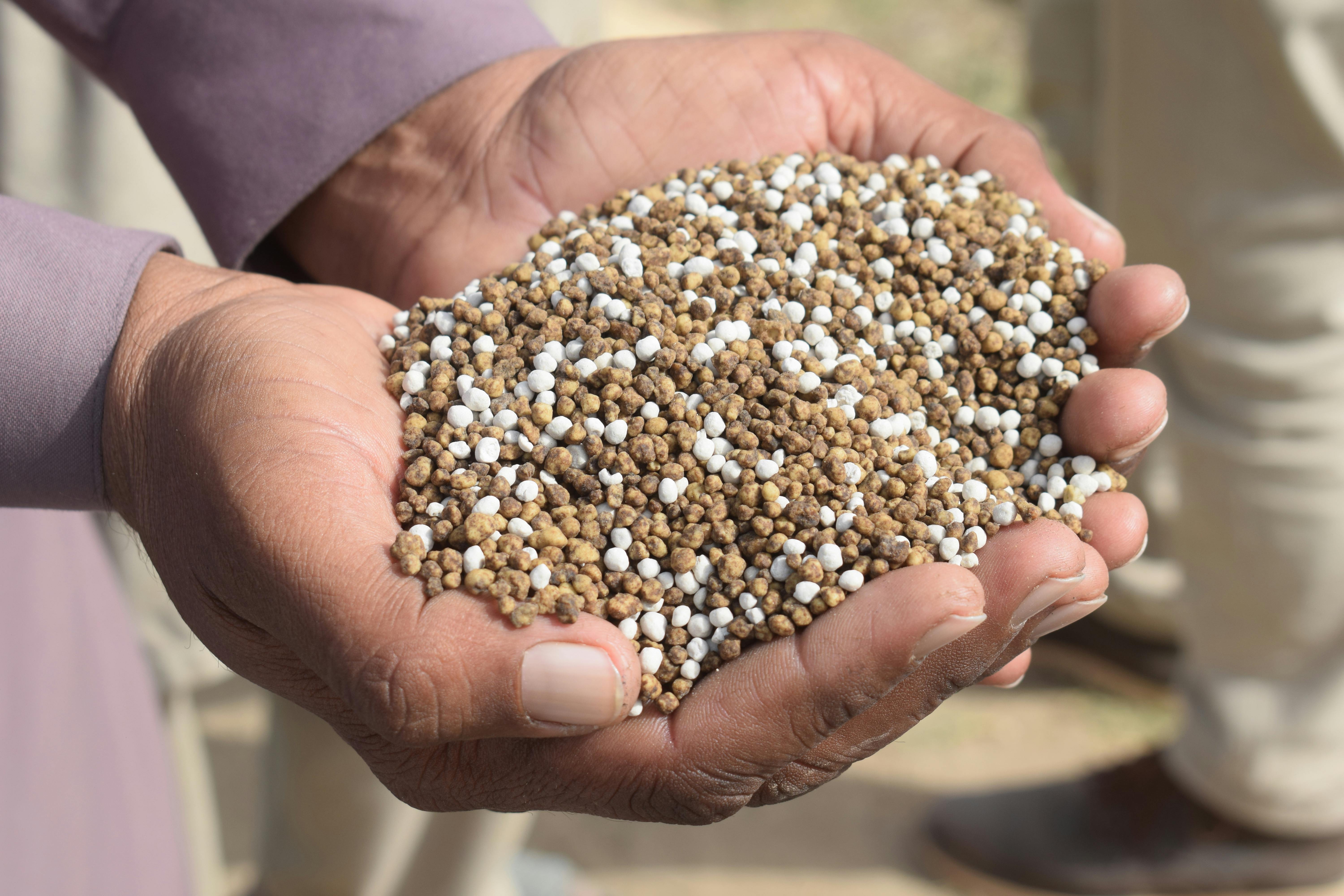
Composting for Better Soil Health
Recycling crop residues and manure through composting can significantly enhance nutrient content.
Collect plant residues and manure.Layer these materials in a pile.Moisten regularly and turn occasionally.Use the resulting compost to enrich soil. Enhance your composting with the 18.5 Gal Tumbling Compost Bin – available on Amazon.
Implementing Biochar for Soil Retention
Biochar acts as a soil enhancer, retaining nutrients and moisture.
Create biochar through controlled burning of biomass.Mix biochar into your soil to improve fertility and structure. Learn more about these strategies with sustainable organic farming solutions from Biofarm Kenya.
Soil Monitoring and pH Testing
By using soil test kits, farmers can accurately monitor soil health.
Optimize your soil's pH with the Luster Leaf 1601 Rapitest Soil Test Kit – available on Amazon.
Case Studies, Examples, or Comparisons
Organic farming has transformed smallholder success in Kenya. The story of Mary Mathuli, a farmer benefiting from regenerative practices, demonstrates the potential of organic methods. Discover more about her journey on Kimbumbu Garden.
Common Mistakes to Avoid
Overuse of chemical fertilizers that deplete soil health.Neglecting soil pH levels which can inhibit nutrient uptake.Failing to rotate crops, leading to pest build-up and soil degradation.Expert Tips or Best Practices
Adopt these practices for improved sustainability:
Utilize natural pest controls, such as Neem oil and companion planting.Integrate agroforestry with your crops to enrich soil and biodiversity.Maintain healthy soil with Drammatic® Organic™ Fertilizer – available on Amazon. Explore more strategies with Biofarm Kenya's sustainable solutions.
Future Trends or Predictions
The future of agriculture includes innovations like smart irrigation systems, AI-driven crop monitoring, and vertical farming. These technologies hold promise for increasing efficiency and sustainability while addressing food security in the region.
Conclusion
Transitioning to organic fertilizers and sustainable practices offers numerous benefits for Kenyan farmers. Save on costs and boost productivity with organic methods. Discover trusted farming tools on Amazon and learn more about sustainable solutions with Biofarm Kenya.
FAQs
How does organic farming help in soil health?Organic farming methods, such as composting and crop rotation, improve soil structure and fertility. The FAO offers detailed insights on organic agriculture benefits.
What are biochar's advantages?Biochar enhances soil fertility, retains moisture, and sequesters carbon. Research by CIFOR supports its effectiveness in agriculture.
Why is pH testing crucial in farming?Soil pH affects nutrient availability to plants. Using test kits can guide adjustments for optimal growth. Refer to KEBS standards for soil testing.
What common mistakes should be avoided in organic farming?Avoid over-reliance on one crop type and neglecting nutrient diversity. The National Environmental Management Authority issues guidelines on sustainable practices.
How can I transition from chemical to organic fertilizers?Begin with gradual integration of organic composting and biochar. Consult Organic Agriculture Center of Kenya for guidance.
What are the future trends in sustainable agriculture?Future trends include smart irrigation and AI analytics. Ripple Effect discusses these innovations in detail.


0 Comments