

Estimated Reading Time: 11 minutes
TL;DR:
Vertical farming dominates as the most profitable farming idea in Kenya, leveraging limited space and modern technology to maximize yields.
Sustainable organic farming methods combined with vertical farming boost soil health and reduce dependency on external inputs.
Tech innovations like drip irrigation and soil testing kits improve crop quality and resource efficiency.
Successful Kenyan farmers adopting vertical farming demonstrate significant yield and income growth.
Avoid common mistakes in soil management and irrigation to optimize your farming success.
Key Takeaways:
1. Vertical farming offers a high-return model ideal for Kenya’s urban and peri-urban areas.
2. Use soil testing kits to monitor and manage soil fertility effectively.
3. Invest in drip irrigation systems to conserve water and improve crop health.
4. Learn from local success stories to implement best practices.
5. Partner with trusted providers like Biofarm Kenya for sustainable organic farming solutions.
Introduction
In Kenya’s dynamic agricultural landscape, vertical farming dominates as most profitable farming idea, especially as urbanization reduces arable land and climate change pressures traditional farming methods. This innovative approach to agriculture allows farmers to stack crops in controlled environments, maximizing space and resource efficiency. Sustainable and organic farming principles further enhance productivity, soil fertility, and long-term profitability. As Kenya transitions toward more resilient food systems, vertical farming emerges as a promising solution for boosting food security and farmer incomes.
Background & Context
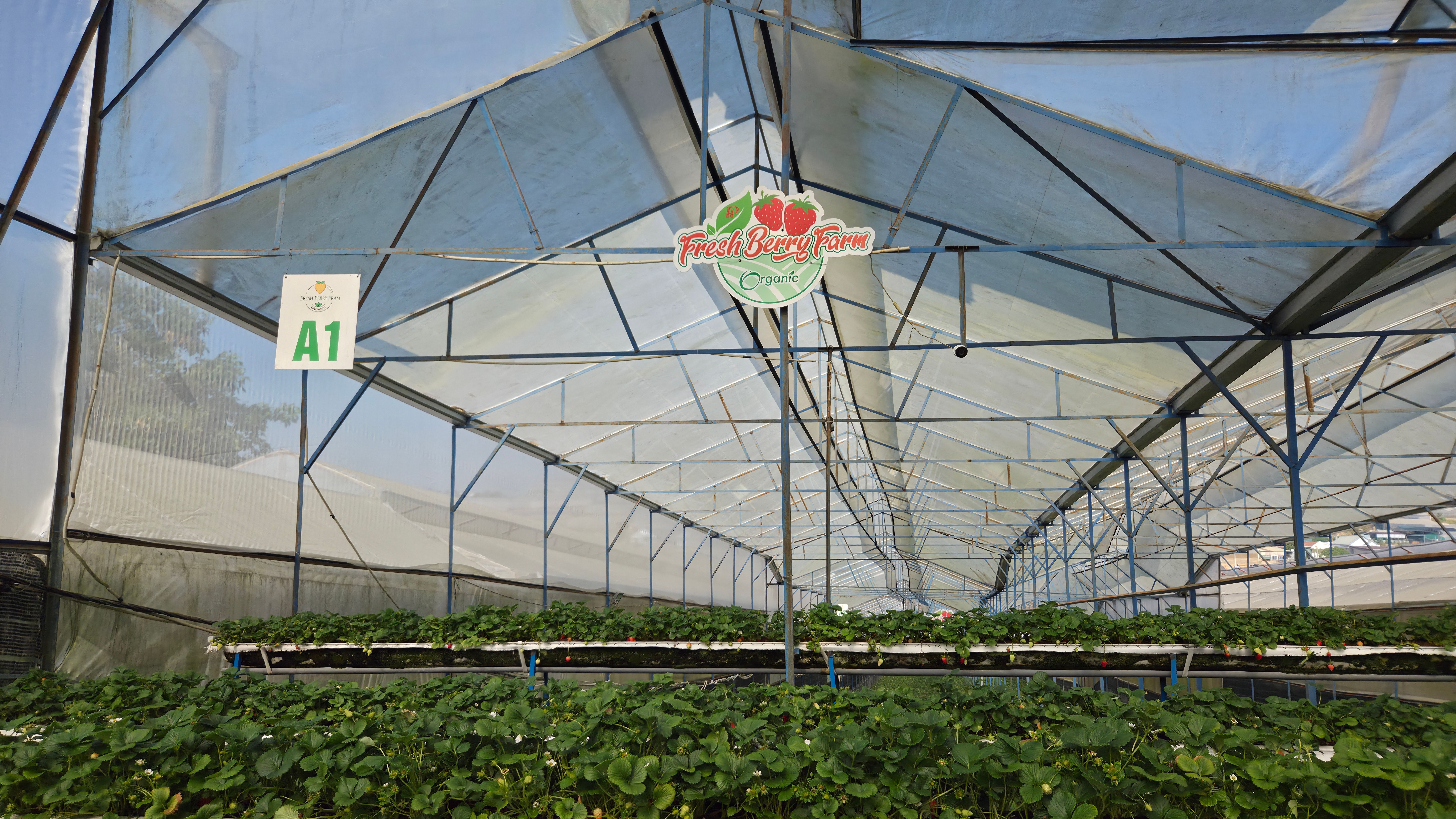
Kenya’s agricultural sector is vital, contributing approximately 33% to its GDP and employing over 75% of the rural population. However, challenges such as soil degradation, limited arable land in urban centers, and increasing climate variability stress the need for innovative farming solutions. Organic farming has shown considerable growth, valued for its emphasis on natural inputs and soil health, with studies indicating that organic crops can command higher market prices and can be as productive as conventional ones in certain scenarios. Vertical farming leverages these organic principles, integrating them into compact, controlled environments, which is especially important in densely populated regions like Nairobi, Mombasa, and Kisumu.
Research reveals that vertical farming can increase crop yields by up to 10 times per unit area compared to traditional farming, using 70-90% less water and significantly reducing pesticide use. This efficiency aligns perfectly with Kenya’s sustainable development goals and the increasing demand for organic, fresh produce in local and export markets.
Key Insights or Strategies
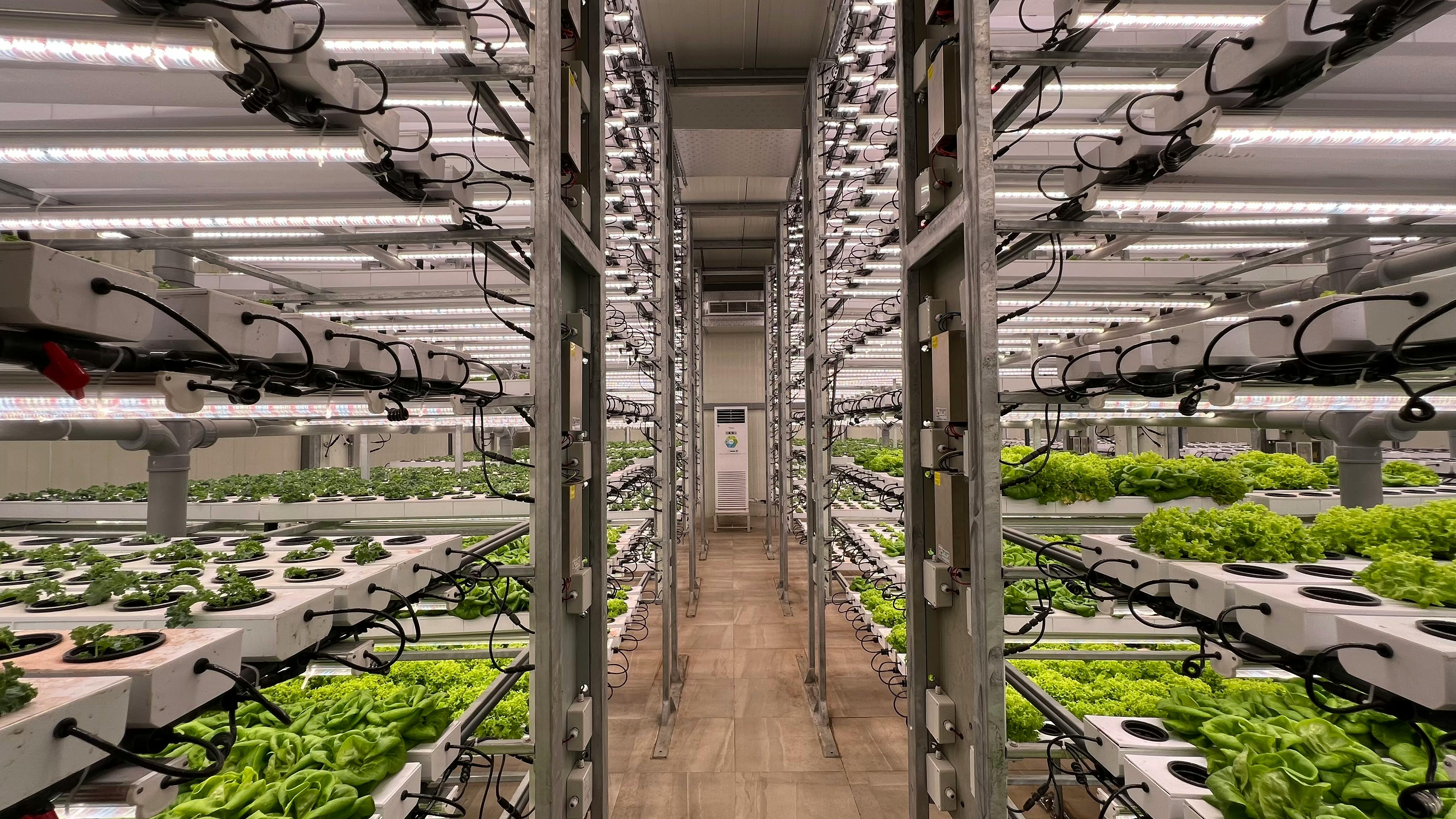
1. Maximizing Space and Yield with Vertical Farming Systems
- Choose appropriate vertical farming technology such as hydroponics, aeroponics, or aquaponics depending on your budget and crop choice.
- Utilize stacked layers or vertical towers to multiply crop density within the same footprint.
- Implement climate control systems to regulate temperature, humidity, and lighting.
- Start small and scale as you optimize growth conditions and market demand.
Boost your yields sustainably with tools like the Soil pH & Moisture Tester Kit – available on Amazon, which helps ensure your vertical farm operates at ideal soil and hydration levels.
2. Employing Organic Fertilizers to Enhance Soil Health
- Incorporate compost and vermicompost into growing media to improve organic matter.
- Use locally sourced organic fertilizers to reduce costs and environmental impact.
- Monitor soil nutrient levels regularly to avoid deficiencies or toxicities.
- Rotate crops and use cover crops to naturally maintain soil fertility.
3. Water Efficiency Through Drip Irrigation Systems
- Select a drip irrigation system tailored for vertical farming or greenhouse environments.
- Install timers and moisture sensors to automate watering and conserve water.
- Regularly inspect tubing and emitters to prevent blockages or leaks.
Invest in efficient watering solutions like the 230FT Drip Irrigation System Kit – available on Amazon, which provides adjustable nozzles ideal for precise water delivery in compact farm setups.
Explore sustainable organic farming solutions with Biofarm Kenya to access expert guidance and quality inputs tailored to your vertical farming needs.
Case Studies, Examples, or Comparisons
Several Kenyan farmers and agribusinesses have successfully adopted vertical farming to increase profitability. For example, Royal Seedlings in Murang’a employs vertical hydroponic systems that have boosted their yields by over 200% compared to traditional farming. This shift not only addresses urban food security but also opens export opportunities due to the high quality and pesticide-free certification of their produce.
The Food and Agriculture Organization (FAO) supports such innovations, highlighting vertical farming’s potential to reduce land pressure and conserve water in regions facing climate stress. Additionally, Kenya's Ministry of Agriculture has begun piloting vertical farming training programs to build capacity among small-scale farmers.
Common Mistakes to Avoid
- Poor soil and nutrient management: Neglecting soil testing can lead to nutrient imbalances, affecting crop health and yield. Use reliable Soil Test Kit – available on Amazon to regularly check soil properties.
- Overwatering or underwatering: Without proper irrigation management, roots may rot or crops may suffer drought stress. Employ drip irrigation and moisture sensors to optimize watering.
- Ignoring pest and disease management: Even organic vertical farms need integrated pest management (IPM) practices to maintain crop health.
- Insufficient lighting and climate control: Vertical systems require consistent conditions; poor setup can reduce growth rates.
Expert Tips or Best Practices
Kenyan farmers looking to excel in vertical farming should focus on continuous learning and integrating technology with traditional knowledge. Enrich growing media with organic matter and monitor the system meticulously. Employ soil testing and moisture monitoring tools to stay ahead of crop needs.
For soil health and faster composting, try the Organic Compost Starter Mix – available on Amazon, a great aid for improving farm soil nutrient cycles.
Biofarm Kenya stands as a reliable partner offering advice, organic inputs, and technology support. Explore sustainable organic farming solutions with Biofarm Kenya to connect with experts committed to your success.
Future Trends or Predictions
The future of Kenyan agriculture is embracing smart, tech-driven systems. Vertical farming will increasingly integrate AI for crop monitoring, optimize lighting and irrigation systems, and use renewable energy sources for sustainability. Urban agriculture will expand using multi-storey farming and hydroponics, blending with smart irrigation and automated nutrient delivery.
The government and private sector are investing in training and infrastructure, promoting these innovations as pillars of Kenya’s food security and green economy ambitions. Combining organic practices into these high-tech solutions is expected to enhance both profitability and environmental stewardship.
Conclusion
Vertical farming dominates as most profitable farming idea in Kenya by offering solutions to land scarcity, climate risks, and market demands. When coupled with sustainable organic farming principles, drip irrigation, and soil health monitoring, farmers can achieve impressive yields, quality, and income growth. Start small, use quality tools like soil test kits and drip irrigation systems from Amazon, and scale with informed practices.
Learn more about sustainable solutions with Biofarm Kenya and partner with trusted experts to advance your farming journey successfully and sustainably.
FAQs
1. What is vertical farming and why is it profitable in Kenya?
Vertical farming is the practice of growing crops in vertically stacked layers, often indoors or in controlled environments. It is profitable in Kenya because it maximizes limited land space, improves water efficiency, and allows year-round production, meeting urban demand effectively. For more details see FAO vertical farming overview.
2. How can organic farming complement vertical farming systems?
Organic farming reduces synthetic inputs and supports soil health, which can enhance the sustainability of vertical farms using soil or growing media. It also meets rising consumer demand for chemical-free produce. Learn more at Biofarm Kenya.
3. What tools are essential for starting vertical farming?
Key tools include soil testing kits to monitor fertility, drip irrigation systems for precise water delivery, and nutrient management products. Recommended trusted tools can be found on Amazon.
4. What are the common challenges farmers face with vertical farming?
Challenges include high initial investment, technical knowledge requirements, pest management, and consistent environmental control. Support and training from institutions like the Ministry of Agriculture and Biofarm Kenya can mitigate these. Visit Ministry of Agriculture Kenya.
5. How does drip irrigation improve farm profitability?
Drip irrigation conserves water by delivering it directly to the plant roots, reducing losses and increasing yields, thus lowering costs and boosting profitability. For technical standards refer to NEMA Kenya.
6. Where can Kenyan farmers find reliable organic farming support?
Biofarm Kenya provides expert consultation, quality organic inputs, and technology platforms tailored for Kenyan farmers. Details are available at Biofarm Kenya Partners.
External Authoritative Links:
- Food and Agriculture Organization (FAO)
- National Environment Management Authority (NEMA) Kenya
- Kenya Ministry of Agriculture
- Biofarm Kenya Official Site
- Kenya Bureau of Standards (KEBS)
- Knowledge Platform for Organic Agriculture and Agroecology Africa (KCOA)
Internal Biofarm Kenya Links:


0 Comments