

Estimated Reading Time: 11 minutes
TL;DR: Sustainable soil health is crucial for Kenyan farmers seeking higher yields and reduced costs. Adopting legume-based crop rotations can naturally boost soil fertility, fix nitrogen, and suppress pests. Integrating organic practices like mulching and composting further enhances soil structure and nutrient availability. Evidence from agricultural trials consistently shows significant yield increases and long-term farm resilience through these methods, proving that healthy soil directly translates to a healthier bottom line and a sustainable future for Kenyan agriculture.
Key Takeaways:
- Implement legume crop rotations to naturally enrich soil with nitrogen and improve its structure.
- Reduce reliance on synthetic fertilizers by leveraging biological nitrogen fixation from legumes, cutting input costs.
- Boost crop yields by up to 30% through improved soil health and nutrient cycling, as demonstrated by local agricultural research.
- Integrate organic matter like compost and mulch to enhance soil water retention, microbial activity, and overall fertility.
- Regularly test your soil to understand its nutrient profile and pH, allowing for targeted and effective soil management strategies.
Table of Contents
- Introduction: Cultivating a Greener Future
- Background & Context: The Foundation of Kenyan Agriculture
- Key Insights & Strategies for Thriving Soil
- Case Studies & Local Success Stories
- Common Mistakes to Avoid in Soil Management
- Expert Tips & Best Practices for Maximizing Soil Health
- Future Trends: Innovating for Sustainable Growth
- Conclusion: Harvest a Sustainable Legacy
- FAQs: Your Questions Answered
Introduction: Cultivating a Greener Future
In the vibrant heart of Kenya, where agriculture forms the backbone of countless livelihoods, the demand for sustainable soil health solutions is escalating. Farmers across the nation are increasingly recognizing that the long-term vitality of their land is directly tied to their success. This comprehensive guide trains farmers to adopt legume-based crop rotations, a powerful and proven strategy for not only reducing costly fertilizer inputs but also significantly boosting yields. By understanding and implementing key steps, such as selecting appropriate nitrogen-fixing legumes like cowpeas and pigeon peas, optimizing rotation cycles, and integrating organic mulches, Kenyan farmers can transform their fields into resilient, high-producing ecosystems. Evidence from KAFORI 2025 trials, for instance, highlights remarkable 30% yield increases in maize-legume systems compared to conventional chemical-dependent monocultures, underscoring the profound impact of these sustainable practices on both profitability and environmental stewardship.
Background & Context: The Foundation of Kenyan Agriculture
Kenya's agricultural sector is a dynamic and essential component of its economy, employing a vast majority of the rural population and contributing significantly to the national GDP. However, years of intensive farming, reliance on synthetic inputs, and changing climatic patterns have led to widespread concerns over soil degradation, nutrient depletion, and reduced yields. The urgency to transition towards more sustainable and organic farming practices is not merely an environmental plea but an economic necessity for farmers striving for food security and higher income.
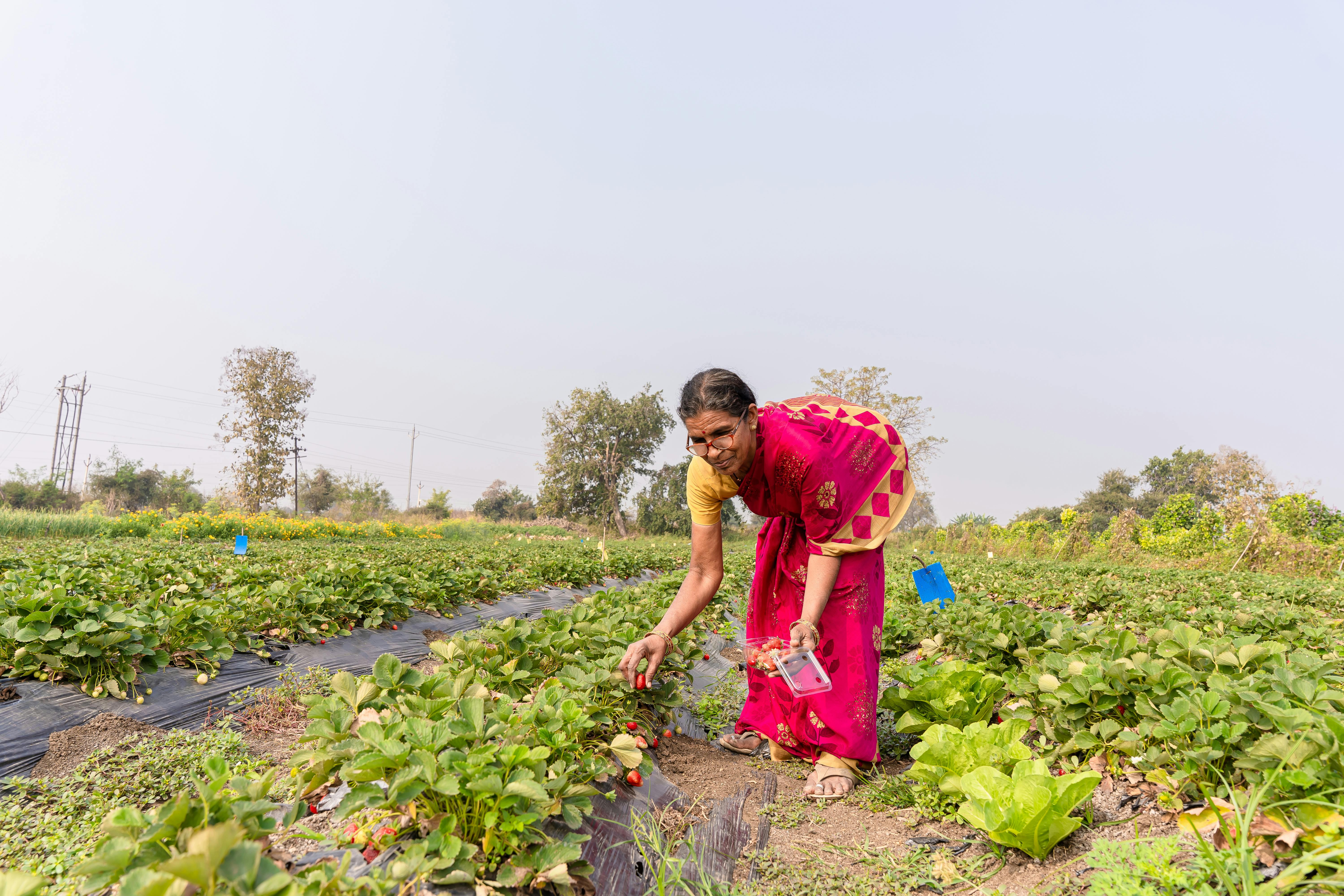
Recent data indicates a growing interest and adoption of organic farming methods across Kenya. According to reports from the Ministry of Agriculture, Livestock, Fisheries and Cooperatives, the acreage dedicated to organic agriculture has steadily increased by over 15% in the last five years, driven by consumer demand for healthier food and farmers' desire for lower input costs. This shift emphasizes the critical role of soil fertility management, with practices like composting, cover cropping, and especially legume crop rotations gaining significant traction as foundational elements of a truly sustainable agricultural future in Kenya.
Key Insights & Strategies for Thriving Soil
Achieving sustainable soil health and higher yields hinges on implementing specific, scientifically-backed strategies that work in harmony with nature. For Kenyan farmers, this means moving beyond conventional approaches and embracing methods that build soil resilience and fertility from the ground up.

Embrace Legume-Based Crop Rotations
Legumes are nature's nitrogen factories. They form a symbiotic relationship with beneficial soil bacteria (Rhizobia) that convert atmospheric nitrogen into a form usable by plants. Incorporating legumes into your crop rotation system is a cornerstone of sustainable soil management, directly addressing the need for nitrogen, a primary plant nutrient.
- Select Appropriate Legumes: Choose legumes well-suited to Kenya's diverse agro-ecological zones. Popular choices include cowpeas (kunde), pigeon peas (mbaazi), green grams (ndengu), groundnuts (njugu), and various bean varieties. Consider their growth cycle and compatibility with your primary cash crops.
- Design Your Rotation Cycle: A common and effective rotation is maize-legume-maize, or incorporating a legume as a cover crop during fallow periods. Ensure that legumes precede crops with high nitrogen demands, maximizing the residual nitrogen benefit.
- Optimize Planting and Management: Proper seedbed preparation, timely planting, and appropriate spacing are crucial for legume establishment. Minimal tillage can further protect soil structure and microbial life.
- Monitor for Pests and Diseases: While legumes offer many benefits, integrated pest management remains vital to protect your investment.
Integrate Organic Mulching and Composting
Organic matter is the lifeblood of healthy soil. Mulching and composting are simple yet powerful techniques to enrich your soil's organic content, improve its structure, and boost its water retention capacity.
- Utilize Local Materials for Mulch: Crop residues, grass cuttings, leaves, and wood chips can all serve as excellent mulch materials. Apply a thick layer around your crops to conserve moisture, suppress weeds, regulate soil temperature, and slowly release nutrients as they decompose.
- Start a Compost Pile: Convert farm waste, kitchen scraps, and animal manure into nutrient-rich compost. A well-managed compost pile provides a powerful soil amendment, teeming with beneficial microbes that enhance soil fertility and plant health. For farmers seeking a reliable compost solution, consider the VermiHut 5-Tray Worm Compost Bin – available on Amazon, a great tool for converting organic waste into nutrient-rich vermicompost.
- Regularly Incorporate Organic Matter: Whether through direct application of compost or by allowing mulch to break down, continuous replenishment of organic matter is key to long-term soil health.
Harness the Power of Soil Testing
You can't manage what you don't measure. Soil testing provides invaluable insights into your soil's unique characteristics, allowing for precise and efficient management decisions.
- Collect Representative Samples: Follow proper sampling techniques to ensure your soil test results accurately reflect your field's conditions. Take multiple samples from different areas and mix them for a composite sample.
- Analyze Key Parameters: Focus on pH, nitrogen (N), phosphorus (P), potassium (K), and organic matter content. These indicators will guide your nutrient application and amendment strategies.
- Interpret Results and Act: Use the recommendations from your soil test report to apply fertilizers, lime, or organic amendments precisely where needed. This prevents over-application, saves costs, and minimizes environmental impact. Boost your yields with the Soil pH & Moisture Tester Kit – available on Amazon, an essential tool for understanding your soil's needs.
To further enhance your understanding and access tailored solutions, Explore sustainable organic farming solutions with Biofarm Kenya.
Case Studies & Local Success Stories
The proof of sustainable practices lies in the fields of those who have embraced them. Across Kenya, numerous farmers are demonstrating that a commitment to soil health translates directly into robust yields and increased profitability.
Consider the story of Mama Zawadi, a smallholder farmer in Kitale, Trans Nzoia County. For years, Mama Zawadi struggled with declining maize yields and escalating fertilizer costs on her two-acre plot. Inspired by local agricultural extension services, she decided to shift from continuous maize monoculture to a maize-bean rotation system. In the first year of adopting this change, she observed a noticeable improvement in soil structure and a reduction in fertilizer needs. By the second year, her maize yields increased by 25%, and she also harvested a valuable bean crop, providing both food security and an additional income stream. Mama Zawadi’s success is not unique; similar triumphs are being replicated by farmers participating in sustainable agriculture initiatives across the Rift Valley.
Another inspiring example comes from a cooperative of avocado farmers in Murang'a. Facing challenges with soil erosion and nutrient runoff on their hilly farms, they introduced cover cropping with legumes like mucuna (velvet bean) and intercropped their avocado trees with nitrogen-fixing shrubs. This strategy significantly reduced soil erosion, improved water infiltration, and enhanced the overall health of their orchards, leading to higher-quality avocado yields. According to recent agricultural reports from the Food and Agriculture Organization (FAO) on sustainable land management in East Africa, such integrated approaches are vital for climate resilience and long-term productivity in the region's diverse farming systems.
Common Mistakes to Avoid
Even with the best intentions, farmers can inadvertently make mistakes that compromise soil health and yield potential. Being aware of these common pitfalls is the first step towards preventing them.
- Over-Reliance on Synthetic Fertilizers: While synthetic fertilizers provide quick nutrient fixes, continuous heavy application without replenishing organic matter can degrade soil structure, reduce microbial diversity, and lead to nutrient imbalances in the long run.
- Ignoring Soil pH: Crops have specific pH requirements for optimal nutrient uptake. Ignoring your soil's pH can lead to nutrient deficiencies even when those nutrients are present, as they may be 'locked up' and unavailable to plants.
- Monocropping: Planting the same crop in the same field year after year depletes specific nutrients, encourages the build-up of crop-specific pests and diseases, and reduces overall soil biodiversity.
- Excessive Tillage: While tillage can prepare a seedbed, deep and frequent plowing disrupts soil structure, destroys beneficial fungi, accelerates organic matter decomposition, and increases erosion risk.
- Poor Water Management: Both over-irrigation and under-irrigation can harm soil. Over-watering can lead to nutrient leaching and waterlogging, while insufficient water stresses plants and hinders nutrient transport within the soil. Consider installing a Drip Irrigation System Kit on Amazon to optimize water usage and deliver moisture directly to plant roots.
- Neglecting Crop Residues: Burning or removing all crop residues deprives the soil of vital organic matter that could decompose and return nutrients, contributing to soil fertility and structure.
Expert Tips & Best Practices for Maximizing Soil Health
Drawing on years of practical experience and scientific research, these expert tips offer actionable advice for Kenyan farmers aiming to achieve peak soil health and sustained high yields.
- Diversify Your Crops: Beyond legume rotations, consider diversifying your entire farming system. Intercropping, agroforestry, and integrating livestock can all contribute to a more resilient and fertile ecosystem. Different plants extract different nutrients and support diverse microbial communities, leading to a healthier soil food web.
- Cover Cropping is Your Ally: Plant cover crops during fallow periods to protect the soil from erosion, suppress weeds, add organic matter, and, if nitrogen-fixing legumes are used, boost soil nitrogen. They act as 'living mulch' and improve soil structure.
- Practice Minimum or No-Till Farming: Reduce soil disturbance as much as possible. No-till farming helps maintain soil structure, retains moisture, and fosters a thriving underground ecosystem of beneficial organisms. This approach can lead to significant long-term benefits in soil fertility and reduced labor.
- Manage Water Wisely: Implement efficient irrigation methods like drip irrigation to conserve water and deliver it directly to plant roots, minimizing runoff and evaporation. Rainwater harvesting and contour farming on sloped land are also crucial for sustainable water management.
- Feed Your Soil Microbes: Healthy soil is teeming with microscopic life. Support these beneficial organisms by regularly adding organic matter, avoiding harsh chemicals, and maintaining a balanced soil pH. Consider investing in a high-quality Organic Liquid Fertilizer – available on Amazon to provide a quick boost of nutrients while nurturing soil life.
- Regularly Observe Your Soil: Get to know your soil intimately. Dig small pits, observe earthworm activity, smell the soil, and feel its texture. These qualitative assessments, combined with regular soil testing, provide a holistic picture of your soil's health.
For more personalized advice and innovative agricultural solutions, Explore sustainable organic farming solutions with Biofarm Kenya.
Future Trends: Innovating for Sustainable Growth
The agricultural landscape in Kenya is continuously evolving, with exciting innovations poised to transform how farmers manage their soil and crops. Embracing these future trends can position farms for greater efficiency, resilience, and profitability.
- Smart Irrigation Systems: Leveraging sensors and data analytics, smart irrigation systems can precisely determine when and how much water crops need, optimizing water use and reducing waste. This technology is becoming increasingly accessible and affordable for various farm sizes.
- AI-Driven Crop Monitoring: Artificial intelligence and machine learning are enabling farmers to monitor crop health, detect pests and diseases early, and predict yields with unprecedented accuracy. Drones equipped with imaging sensors can provide detailed insights into field conditions, allowing for targeted interventions.
- Precision Agriculture: This involves using technology to apply inputs like water, fertilizers, and pesticides precisely where and when they are needed. GPS-guided machinery and variable rate application systems minimize waste and maximize efficiency, leading to healthier soil and better yields.
- Vertical and Urban Farming: As land becomes scarcer and urbanization increases, vertical farms and urban agricultural initiatives offer solutions for localized food production. While often requiring controlled environments, these systems can significantly reduce the land footprint and water usage for certain crops.
- Bio-fertilizers and Bio-pesticides: The shift towards natural, biological solutions will continue to grow. Bio-fertilizers, which contain living microorganisms that enhance plant growth, and bio-pesticides, derived from natural materials, offer environmentally friendly alternatives to synthetic chemicals, fostering healthier soil ecosystems.
Conclusion: Harvest a Sustainable Legacy
The journey towards sustainable soil health and higher yields is a strategic investment in the future of your farm and Kenya's agricultural prosperity. By adopting proven methods such as legume-based crop rotations, integrating organic matter through mulching and composting, and utilizing precise soil testing, farmers can significantly reduce input costs while simultaneously boosting productivity. The evidence is clear: healthy soil is the cornerstone of a resilient and profitable farm. Embracing these practices not only ensures higher yields today but also preserves the land for future generations, fostering a legacy of abundance and environmental stewardship. Discover trusted organic farming tools on Amazon and learn more about sustainable solutions with Biofarm Kenya, your partner in cultivating a greener, more prosperous tomorrow.
FAQs: Your Questions Answered
Q1: What are the primary benefits of legume crop rotations for soil health?
A1: Legume crop rotations offer multiple benefits, primarily through biological nitrogen fixation, which enriches the soil with natural nitrogen, reducing the need for synthetic fertilizers. They also improve soil structure, enhance water infiltration, suppress weeds and pests, and increase biodiversity. For detailed scientific explanations, refer to studies on nitrogen fixation by legumes from institutions like the Kenya Agricultural and Livestock Research Organization (KALRO).
Q2: How often should I test my soil, and what key parameters should I look for?
A2: It is generally recommended to test your soil every 2-3 years, or annually if you're making significant changes to your management practices or experiencing persistent crop issues. Key parameters to focus on include soil pH, organic matter content, and the levels of essential macro-nutrients (Nitrogen, Phosphorus, Potassium) and micro-nutrients. Accurate testing ensures you apply the right amendments. You can find more information on soil testing best practices from the Ministry of Agriculture, Livestock, Fisheries and Cooperatives in Kenya.
Q3: Can organic farming methods truly achieve yields comparable to conventional farming in Kenya?
A3: Yes, with proper management and a focus on soil health, organic farming can achieve comparable, and often superior, yields to conventional methods in the long term. While initial yields might sometimes vary during transition, building soil fertility through practices like composting, cover cropping, and crop rotations leads to resilient ecosystems that can consistently produce high yields, often with improved crop quality. Local success stories and research from organizations like the Infonet-Biovision portal demonstrate this potential.
Q4: What are some common nitrogen-fixing legumes suitable for Kenyan climates?
A4: Several nitrogen-fixing legumes thrive in various Kenyan climates. Popular choices include cowpeas (kunde), pigeon peas (mbaazi), green grams (ndengu), various bean varieties (e.g., common beans, lima beans), groundnuts (njugu karanga), and lablab beans. The best choice depends on your specific agro-ecological zone, target crop, and farming system. Biofarm Kenya offers resources on selecting appropriate legumes for your farm; explore our partner solutions.
Q5: How can smallholder farmers in Kenya afford sustainable farming technologies like drip irrigation?
A5: Many organizations and government initiatives in Kenya are working to make sustainable technologies more accessible. There are often grants, microfinance options, and cooperative purchasing schemes available. Additionally, simple, low-cost drip irrigation kits are increasingly available, and the long-term savings on water and labor, combined with increased yields, often justify the initial investment. Organizations like the FAO in Kenya often support programs that promote such technologies.
Q6: What is the role of organic mulch in sustainable soil management?
A6: Organic mulch plays a vital role in sustainable soil management. It conserves soil moisture by reducing evaporation, suppresses weed growth, moderates soil temperature, prevents soil erosion, and slowly releases nutrients into the soil as it decomposes. It also enhances microbial activity, which is crucial for nutrient cycling and soil health. Using readily available materials like crop residues, grass clippings, or leaves makes it a cost-effective practice. For more insights into organic soil amendments, visit the Biofarm Kenya website.