Estimated Reading Time: 10 minutes
TL;DR:Agroforestry in Kenya boosts farm yields by 30-50% and enhances drought resilience by integrating nitrogen-fixing trees with crops like maize.Strategic tree selection (e.g., Faidherbia albida) and proper management (spacing, pruning) are crucial for success in diverse climates.This approach reduces reliance on costly synthetic fertilizers, improves soil health, and provides diversified income streams.Embrace sustainable practices and modern tools like soil testing kits and efficient irrigation to maximize agroforestry benefits.Biofarm Kenya supports farmers with resources and partnerships for transitioning to productive, eco-friendly farming systems.
Key Takeaways:Choose Wisely: Select native, nitrogen-fixing tree species adapted to your specific Kenyan climate and soil conditions.Strategic Spacing: Optimize tree spacing to prevent shading, ensuring adequate sunlight for companion crops while maximizing soil benefits.Regular Pruning: Implement timely pruning to manage tree canopy, provide green manure, and prevent competition for nutrients and water.Monitor Soil Health: Regularly test your soil to understand nutrient levels and pH, guiding informed decisions on organic amendments.Embrace Diversity: Integrate multiple crops and tree species to create resilient ecosystems that are less susceptible to pests and diseases.
Introduction: Cultivating Resilience in Kenyan Agriculture
Kenya's agricultural landscape, the backbone of its economy, faces increasing pressure from climate change, characterized by erratic rainfall and prolonged droughts. In this challenging environment,
Kenyan farmers are increasingly seeking drought resilience and soil fertility solutions amid erratic rainfall. Traditional farming methods are struggling to keep pace, leading many to explore innovative and sustainable practices. This guide trains farmers to integrate nitrogen-fixing trees (e.g.,
Faidherbia albida) with staple crops like maize, proven to increase yields by 30-50% while reducing fertilizer costs. By adopting agroforestry, farmers can transform their land into more productive, resilient, and environmentally friendly systems. This approach not only boosts food security but also ensures long-term ecological balance and economic stability for communities across Kenya.
Background & Context: The Shifting Sands of Kenyan Farming
Kenya's agricultural sector is vital, contributing significantly to the GDP and employing a large portion of the population. However, it grapples with issues like soil degradation, water scarcity, and over-reliance on synthetic inputs. The push towards organic farming and sustainable agriculture is gaining momentum, driven by a growing awareness of environmental health and consumer demand for natural produce. Farmers are realizing that improving soil fertility naturally and building resilience against drought are not just buzzwords but essential strategies for survival and prosperity. Data from the Ministry of Agriculture, Livestock, Fisheries and Cooperatives (MoALF) highlights the urgent need for climate-smart agriculture solutions, making agroforestry a central pillar in Kenya's agricultural future.
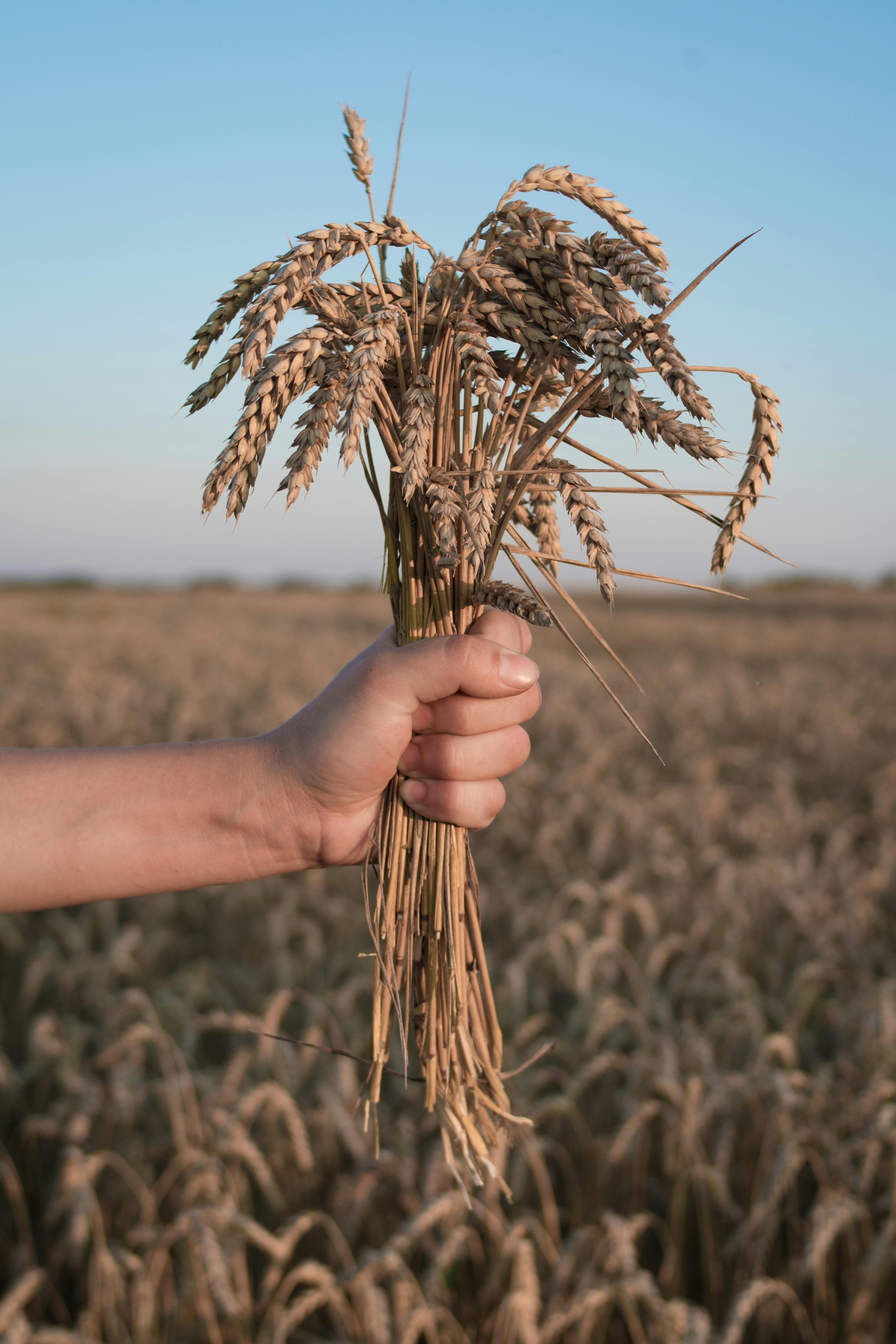
Organic farming practices, central to agroforestry, focus on enhancing natural ecological processes. This means building healthier soils, improving biodiversity, and reducing the environmental footprint of agriculture. The benefits extend beyond the farm gate, contributing to a healthier environment and more resilient communities. Agroforestry systems, by design, mimic natural ecosystems, offering multiple benefits that far outweigh the initial investment.
Key Insights & Strategies: Mastering Agroforestry for Enhanced Productivity
Integrating trees with crops requires thoughtful planning and execution. The right strategies can lead to significant increases in yield and a healthier farm ecosystem. Key steps include selecting climate-resilient tree species, optimizing spacing for light balance, and managing pruning cycles to enhance soil moisture retention. Supported by a 2025 KARI study showing agroforestry systems outperform monocultures in arid regions, these practices are not just theoretical but demonstrably effective.

1. Selecting the Right Nitrogen-Fixing Tree Species
The success of your agroforestry system hinges on choosing appropriate tree species. For Kenya,
Faidherbia albida (Apple-ring acacia),
Calliandra calothyrsus, and
Gliricidia sepium are excellent choices due to their nitrogen-fixing capabilities and adaptability to diverse Kenyan climates.
Research Local Adaptation: Consult local agricultural extension services or experienced farmers to identify species that thrive in your specific region’s soil type and rainfall patterns.Consider Growth Habits: Select trees with growth habits that complement your existing crops. For instance, Faidherbia albida uniquely sheds its leaves during the rainy season, minimizing shade competition with crops like maize, and provides valuable leaf litter during the dry season.Assess Multiple Benefits: Beyond nitrogen fixation, consider trees that offer additional benefits such as fodder for livestock, fuelwood, timber, or medicinal properties, enhancing overall farm productivity and income.2. Optimizing Tree Spacing and Arrangement
Proper spacing ensures that trees and crops coexist harmoniously, maximizing light access and minimizing competition for resources.Balance Light & Shade: For crops requiring full sun, ensure trees are spaced widely enough or planted in rows that allow ample light penetration. Alley cropping, where crops are grown in alleys between rows of trees, is a popular method.Root Management: Understand the root systems of your chosen trees. Some species have deep taproots that won't compete with shallow-rooted crops, while others may require root pruning.Windbreak & Erosion Control: Strategically plant trees along farm boundaries or contours to act as windbreaks and prevent soil erosion, particularly on sloped land.To truly understand your soil's needs and optimize spacing, investing in a reliable tool is essential. Boost your yields with the Soil pH & Moisture Tester Kit – available on Amazon. This simple device provides crucial data for informed planting decisions.3. Managing Pruning Cycles for Soil Enhancement
Regular pruning is vital for managing tree size, providing organic matter, and preventing excessive shading of crops.Green Manure: Prune branches and leaves to create 'green manure,' which can be incorporated into the soil around your crops. This enriches the soil with nitrogen and other organic nutrients, reducing the need for synthetic fertilizers.Timing is Key: Prune before the main cropping season to ensure crops receive maximum sunlight. Adjust pruning frequency based on tree growth and crop requirements.Fodder Production: Pruned foliage from species like Calliandra can also serve as high-quality protein-rich fodder for livestock, further diversifying farm output.For farmers committed to enhancing soil fertility naturally, maintaining an active compost system is paramount. Consider integrating a robust organic compost starter to accelerate decomposition and nutrient cycling. A product like Organic Compost Starter Mix – available on Amazon can significantly improve the quality and speed of your compost production.
Explore sustainable organic farming solutions with Biofarm Kenya for more insights on integrating these practices into your farm.
Case Studies: Kenyan Farmers Thriving with Agroforestry
Across Kenya, numerous farmers are demonstrating the tangible benefits of agroforestry. In Western Kenya, for instance, smallholder farmers participating in initiatives supported by the World Agroforestry Centre (ICRAF) have seen remarkable transformations. One such farmer, Mama Alice, integrated Grevillea robusta and Calliandra calothyrsus trees into her maize and bean fields. Over five years, she observed a consistent 40% increase in maize yields, even during drier periods, compared to her neighbors practicing monoculture. The Calliandra also provided nutritious fodder for her dairy cow, significantly boosting her milk production and income.Another success story comes from the semi-arid regions of Kitui, where farmers have embraced the traditional practice of planting Faidherbia albida with millet and sorghum. A study by KARI (Kenya Agricultural and Livestock Research Organization) in 2020 highlighted that farms with established Faidherbia trees experienced up to 50% higher yields of these staple crops, alongside improved soil moisture retention and reduced soil erosion. These trees, uniquely shedding leaves during crop growth, enrich the soil with nitrogen and organic matter, making them a cornerstone of drought-resilient farming. These examples underscore the economic and environmental viability of agroforestry in diverse Kenyan contexts.
Common Mistakes to Avoid: Pitfalls in Agroforestry Adoption
While agroforestry offers immense potential, certain missteps can hinder its success. Understanding and avoiding these common errors is crucial for maximizing benefits.1. Improper Tree Species Selection
Choosing trees that are not suited to local climatic conditions, soil types, or that compete too aggressively with crops can lead to reduced yields rather than increased ones. For instance, planting fast-growing, evergreen trees that heavily shade crops throughout the year can severely stunt crop growth.Correction: Conduct thorough research on indigenous and adapted nitrogen-fixing species. Consult with agricultural experts to match tree characteristics with your farm's specific needs and climate.2. Neglecting Tree Management and Pruning
Allowing trees to grow unmanaged can lead to excessive shading, competition for water and nutrients, and reduced air circulation, fostering diseases. Overgrown trees can quickly overshadow and choke out valuable crops.Correction: Implement a consistent pruning schedule. Prune branches that create too much shade, and utilize the prunings as green manure to enrich the soil, creating a symbiotic cycle.3. Ignoring Soil Health and Nutrient Balance
Assuming that trees will automatically solve all soil fertility issues without any other input can be a costly mistake. While agroforestry significantly improves soil, overlooking specific nutrient deficiencies or pH imbalances can limit overall productivity.Correction: Regularly conduct soil tests to understand your soil's composition. Supplement with organic amendments like compost or manure as needed, ensuring a balanced nutrient profile that supports both trees and crops.4. Inadequate Water Management
Even drought-resilient systems require careful water management, especially during tree establishment or prolonged dry spells. Relying solely on rainfall without any supplemental irrigation can lead to tree stress and poor crop performance.Correction: Invest in efficient irrigation methods like drip irrigation for tree establishment. Implement water-harvesting techniques such as contour farming and mulching to conserve soil moisture, particularly during critical growth stages.
Expert Tips & Best Practices: Optimizing Your Agroforestry System
To truly harness the power of agroforestry, incorporating these expert tips and best practices can make a significant difference in your farm's long-term success and resilience.1. Start Small and Scale Up
Don't overhaul your entire farm at once. Begin with a small section, experiment with different tree-crop combinations, and learn what works best for your specific conditions. This allows you to gain experience and confidence before expanding. Monitor the performance of your initial agroforestry plots, noting changes in soil quality, crop yield, and tree health. This incremental approach minimizes risk and maximizes learning.2. Integrate Livestock Thoughtfully
If you have livestock, consider their role in your agroforestry system. Trees can provide fodder, shade, and even shelter. However, manage grazing carefully to prevent damage to young trees and crops. Rotational grazing can be particularly effective. Species like Calliandra calothyrsus offer excellent protein-rich feed, reducing reliance on purchased supplements. This integration creates a more circular and self-sustaining farm ecosystem.3. Embrace Biodiversity Beyond Trees and Crops
Think beyond just trees and staple crops. Integrate diverse cover crops, beneficial insect habitats, and even small-scale aquaculture if feasible. A rich biodiversity enhances pest control, improves pollination, and contributes to overall ecosystem health. The more diverse your farm, the more resilient it will be to climate shocks and disease outbreaks.4. Invest in Sustainable Tools
Modern farming benefits from smart tools. For efficient water usage, especially during establishment phases, a reliable drip irrigation system is invaluable. Consider a Small Farm Drip Irrigation System Kit – available on Amazon to deliver water directly to the root zone, minimizing waste and maximizing efficiency. Furthermore, maintaining your trees effectively requires quality tools. For precise pruning and general maintenance, a durable set of gardening hand tools is essential. A good quality Gardening Hand Tools Set – available on Amazon will serve you well for years, making tasks like pruning and weeding much easier.Remember to explore sustainable organic farming solutions with Biofarm Kenya for resources and partnerships that can further support your journey into advanced agroforestry.
Future Trends: Innovating for a Sustainable Agricultural Future
The future of Kenyan agriculture is bright with innovations poised to further enhance sustainable practices. Smart irrigation systems, utilizing sensors and data analytics, will optimize water usage, delivering precise amounts directly to plants based on their real-time needs and weather forecasts. Vertical farming, though initially focused on urban areas, holds promise for maximizing yields in limited spaces, especially for high-value crops. AI-driven crop monitoring systems, employing drones and satellite imagery, will detect early signs of disease, nutrient deficiencies, or pest infestations, allowing for timely and targeted interventions. These technologies, combined with the foundational principles of agroforestry, will lead to highly efficient, resilient, and productive farming systems capable of feeding a growing population while safeguarding the environment. Biofarm Kenya remains at the forefront, exploring and integrating these advancements to support Kenyan farmers.
Conclusion: Sowing the Seeds of a Prosperous Future
Adopting sustainable agroforestry practices is not merely an option but a necessity for Kenyan farmers facing the twin challenges of climate change and food security. By strategically integrating nitrogen-fixing trees like Faidherbia albida with staple crops, farmers can achieve remarkable yield increases of 30-50%, drastically reduce fertilizer costs, and build robust resilience against drought. This comprehensive guide has equipped you with the knowledge to select appropriate tree species, optimize spacing, manage pruning cycles, and avoid common pitfalls. The success stories from across Kenya serve as powerful testaments to the transformative power of agroforestry. As we look to the future, embracing innovation and sustainable tools will further amplify these benefits, paving the way for a prosperous and environmentally sound agricultural landscape. Discover trusted organic farming tools on Amazon and learn more about sustainable solutions with Biofarm Kenya.
FAQs: Your Agroforestry Questions Answered
1. What exactly is agroforestry and how does it benefit Kenyan farmers?
Agroforestry is a land-use management system in which trees or shrubs are grown around or among crops or pastureland. For Kenyan farmers, it offers multiple benefits: increased crop yields (up to 50% for maize with Faidherbia albida), improved soil fertility through nitrogen fixation and organic matter, enhanced drought resilience, reduced reliance on expensive synthetic fertilizers, diversified income streams (from tree products like fruits, timber, or fodder), and improved biodiversity. It essentially creates a more stable and productive farming ecosystem. Learn more about global agroforestry initiatives from the FAO.2. Which nitrogen-fixing trees are best suited for agroforestry in Kenya?
Several nitrogen-fixing trees thrive in Kenya's diverse climatic zones. Highly recommended species include Faidherbia albida (known for its 'reverse phenology' – shedding leaves during the rainy season, thus minimizing crop shade), Calliandra calothyrsus (excellent for fodder and green manure), and Gliricidia sepium (fast-growing and provides good quality biomass). Other suitable options depending on the region include Sesbania sesban and Leucaena leucocephala. Always consult local agricultural experts for species best adapted to your specific area. Find specific regional recommendations from the World Agroforestry Centre (ICRAF) Kenya.3. How does agroforestry contribute to soil fertility and moisture retention?
Agroforestry significantly boosts soil fertility through several mechanisms. Nitrogen-fixing trees convert atmospheric nitrogen into a form usable by plants, enriching the soil. Their deep root systems draw up nutrients from deeper soil layers, making them available to shallow-rooted crops. Leaf litter and pruned biomass decompose into organic matter, improving soil structure, water infiltration, and nutrient holding capacity. The tree canopy also reduces direct sunlight on the soil, lowering evaporation and enhancing moisture retention. Discover KARI's research on soil health benefits of agroforestry in Kenya.4. Can agroforestry genuinely help Kenyan farmers combat drought?
Yes, agroforestry is a powerful tool for drought resilience. Trees in agroforestry systems improve soil water retention by increasing organic matter and reducing evaporation. Their roots help create stable soil aggregates, enhancing infiltration. Deeper-rooted trees can access water from lower soil profiles, making it available to companion crops through hydraulic lift. Additionally, the shade provided by trees reduces heat stress on crops and livestock. This integrated approach makes farms less vulnerable to erratic rainfall and extended dry periods. Read Biofarm Kenya's guide on building drought-resilient farms.5. What are the main challenges faced by farmers adopting agroforestry in Kenya, and how can they be overcome?
Common challenges include initial investment costs for tree seedlings, limited knowledge on proper tree-crop interactions, competition for light and nutrients if not managed well, and the time lag before trees mature and provide full benefits. These can be overcome through access to affordable seedlings (often subsidized by NGOs or government programs), comprehensive farmer training and extension services, and careful planning and management of tree spacing and pruning. Government support and partnerships with organizations like Biofarm Kenya can provide vital resources and training. Explore Ministry of Agriculture resources for sustainable agriculture support.6. How does agroforestry compare to conventional monoculture farming in terms of long-term sustainability and yield?
Agroforestry generally outperforms conventional monoculture in long-term sustainability and often in yield, particularly in challenging environments. Monoculture farming can lead to soil degradation, increased pest and disease pressure, higher reliance on external inputs (fertilizers, pesticides), and vulnerability to climate shocks. Agroforestry, conversely, enhances soil health, conserves water, promotes biodiversity, reduces input costs, and provides more stable and diversified yields over time. A 2025 KARI study confirms that agroforestry systems consistently outperform monocultures in arid regions, offering both ecological resilience and improved economic returns. Review NEMA's guidelines on sustainable farming practices.
See Also:
FAO Kenya: Food and Agriculture Organization in KenyaWorld Agroforestry Centre (ICRAF)Kenya Agricultural and Livestock Research Organization (KARI) Agroforestry ProgramsKenya Ministry of Agriculture: Climate Smart AgricultureNational Environment Management Authority (NEMA) KenyaKenya Bureau of Standards (KEBS) Organic Produce StandardsBiofarm Kenya: Organic Farming BasicsBiofarm Kenya: Building Drought ResilienceBiofarm Kenya: Advanced Soil Health ManagementBiofarm Kenya: Agroforestry Resources for FarmersBiofarm Kenya: Farmer Success StoriesBiofarm Kenya: Join Our Partner Program


0 Comments