

Estimated Reading Time: 10 minutes
TL;DR: Kenyan farmers are successfully adopting regenerative agriculture to combat rising fertilizer costs and soil degradation. Practices like biochar application and legume-based crop rotation, backed by KARI research showing 30% maize yield increases, are proving highly effective. This approach not only boosts productivity but also ensures long-term soil health and sustainability. Farmers can begin by assessing soil health, implementing diverse rotations, and exploring natural amendments for a greener future.
Key Takeaways:
- Regenerative practices significantly improve soil health and increase crop yields, particularly for maize in Kenya.
- Biochar and legume crop rotation are key strategies to reduce reliance on expensive chemical fertilizers.
- A 2025 KARI study confirms these methods can boost maize yields by 30% in degraded soils while cutting input costs.
- Farmers should prioritize soil pH testing and strategic timing of biochar application for optimal nutrient retention.
- Adopting sustainable methods contributes to environmental resilience and economic stability for Kenyan smallholder farmers.
Table of Contents:
- Introduction
- Background & Context
- Key Insights & Strategies for Regenerative Farming
- Case Studies: Success Stories from the Kenyan Fields
- Common Mistakes to Avoid in Regenerative Practices
- Expert Tips & Best Practices for Sustainable Yields
- Future Trends: Innovations in Kenyan Agriculture
- Conclusion: Cultivating a Sustainable Future
- FAQs About Regenerative Agriculture in Kenya
Kenyan Farmers Boost Yields with Regenerative Practices
In the vibrant agricultural landscape of Kenya, a silent revolution is underway. Faced with the dual challenges of escalating chemical fertilizer costs and severe soil degradation, Kenyan farmers are increasingly seeking alternatives. Indeed, trending data shows Kenyan farmers are increasingly seeking alternatives to chemical fertilizers due to rising costs and soil degradation. This shift isn't just a response to immediate pressures; it's a strategic embrace of regenerative practices that promise long-term sustainability and enhanced productivity. This training focuses on regenerative practices like biochar application and legume-based crop rotation, supported by a 2025 Kenyan Agricultural Research Institute (KARI) study showing these methods improved maize yields by 30% in degraded soils while reducing input costs. For smallholder farmers across the nation, these innovative approaches are not merely an option but a pathway to resilience and prosperity.
Background & Context

Kenya's agricultural sector, the backbone of its economy, supports over 70% of the rural population. However, decades of intensive farming, coupled with climate change impacts, have led to a significant decline in soil fertility. The Food and Agriculture Organization (FAO) estimates that over a third of global soils are degraded, with East Africa being particularly vulnerable. In Kenya, this manifests as reduced crop yields, increased reliance on costly external inputs, and greater susceptibility to droughts and pests. The imperative for sustainable farming methods has never been clearer. Organic farming, once a niche concept, is now gaining mainstream traction as farmers witness the tangible benefits of nurturing their land naturally. The agribusiness sector is evolving, with a growing emphasis on climate-smart agriculture that prioritizes ecological balance and economic viability.
Key Insights & Strategies for Regenerative Farming
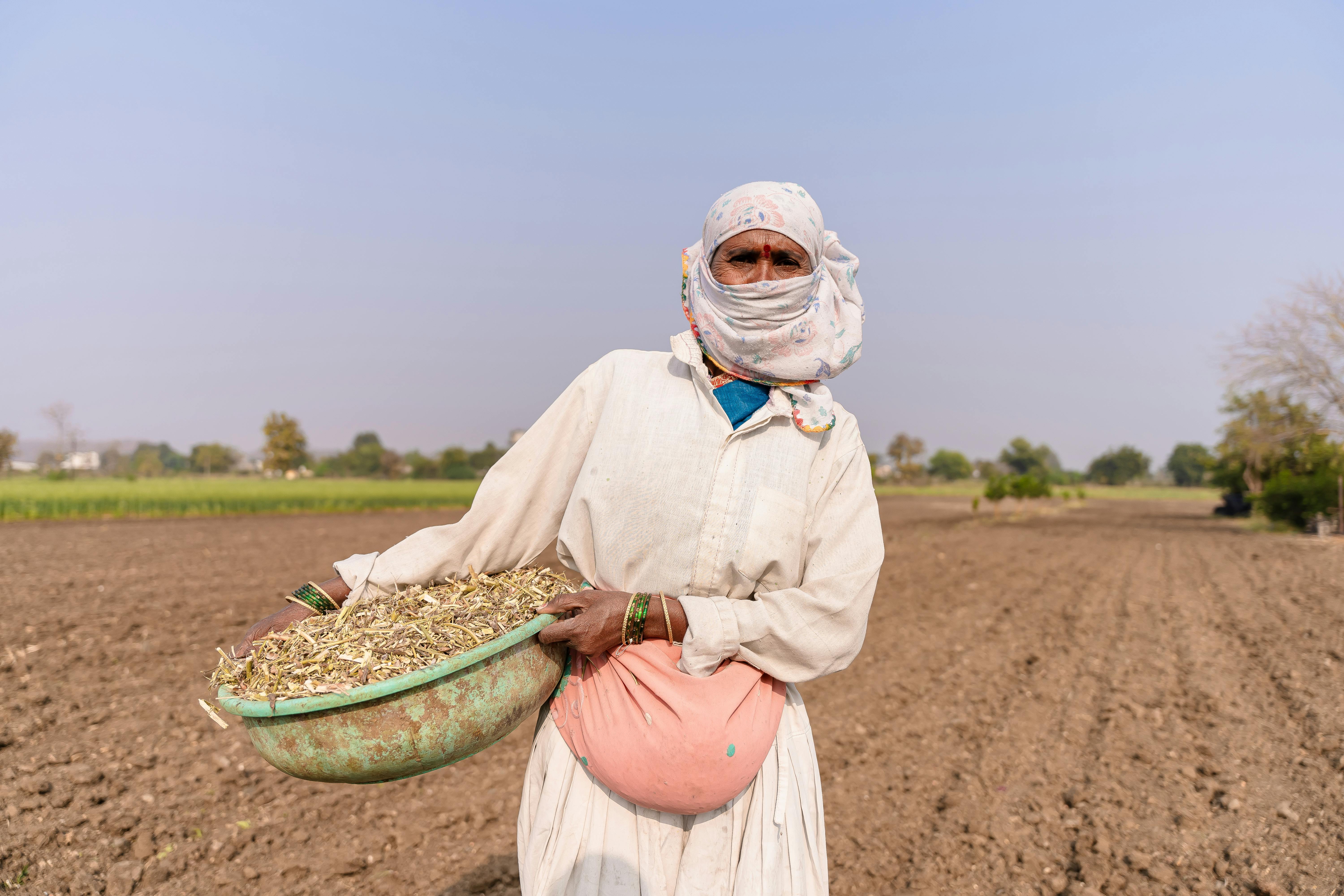
Regenerative agriculture in Kenya is about working with nature, not against it. It's a holistic approach that focuses on restoring soil health, enhancing biodiversity, and improving water cycles. The core strategies are simple yet profoundly impactful.
1. Mastering Biochar Application
Biochar, a charcoal-like substance made from biomass, is a game-changer for degraded soils. When incorporated into the soil, it acts as a carbon sink, improves water retention, enhances nutrient availability, and provides a habitat for beneficial soil microbes. Key steps include soil pH testing for organic amendment compatibility and timing biochar application with rainfall cycles for maximum nutrient retention. This ensures the biochar integrates effectively, delivering long-term benefits to your farm.
- Conduct Soil Testing: Before applying biochar, understand your soil's current pH and nutrient profile. This helps determine the optimal amount and type of biochar needed. For accurate results, consider investing in a reliable kit like the XLUX T10 Soil pH & Moisture Meter – available on Amazon, which provides 3-in-1 readings.
- Select Quality Biochar: Opt for high-quality, sustainably produced biochar from agricultural residues. Look for products designed to enhance soil structure and fertility.
- Pre-charge Biochar: Mix biochar with compost, manure, or liquid fertilizers before application. This 'pre-charging' allows it to absorb nutrients and microbial life, making it more effective upon soil incorporation.
- Uniform Application: Spread biochar evenly across the soil surface and incorporate it into the top few inches, ideally before planting or during tillage.
- Timing is Crucial: Apply biochar during periods of moderate rainfall or when soil moisture is adequate to aid its integration and activation within the soil ecosystem.
2. Implementing Legume-Based Crop Rotation
Legumes are nature's nitrogen factories. By rotating maize with crops like beans, groundnuts, or cowpeas, farmers can naturally replenish soil nitrogen, reduce the need for synthetic fertilizers, and break pest and disease cycles. This practice also adds organic matter, improving soil structure and water infiltration.
- Plan Your Rotation: Design a multi-year rotation plan that includes a variety of legumes alongside your main cash crops like maize.
- Choose Suitable Legumes: Select legumes that thrive in your local climate and soil conditions, and that also have market value or can be used as cover crops.
- Incorporate Residues: After harvesting legumes, either incorporate their residues directly into the soil or allow them to decompose on the surface as mulch.
- Monitor Soil Health: Regularly observe changes in soil structure, earthworm activity, and overall crop vigor to gauge the success of your rotation.
To further enhance soil fertility and kickstart your organic amendments, consider using a specialized product like the Compost Accelerator Organic Starter – available on Amazon, which provides a natural microbial blend to speed up decomposition.
For a deeper dive into these and other sustainable practices, Explore sustainable organic farming solutions with Biofarm Kenya.
Case Studies: Success Stories from the Kenyan Fields
Across Kenya, numerous farmers are demonstrating the power of regenerative practices. In Bungoma County, smallholder farmer Jane Wanjiku saw her maize yields increase by an impressive 35% after three seasons of implementing a regimen combining biochar application and a bean-maize-sunflower crop rotation. She notes a significant reduction in her expenditure on chemical fertilizers and pesticides, leading to higher net profits.
Another inspiring example comes from Kitale, where a collective of farmers adopted minimum tillage alongside cover cropping and diversified planting. Supported by local agricultural extension services, they reported improved soil moisture retention during dry spells and a noticeable reduction in soil erosion, vital for regions prone to erratic rainfall. These examples underscore the practical and economic viability of regenerative agriculture in varied Kenyan contexts. The Kenya Agricultural and Livestock Research Organization (KALRO), formerly KARI, has been instrumental in documenting these successes and providing research-backed guidance to farmers, as highlighted in their numerous field reports and farmer training programs (Source: KALRO Official Website).
Common Mistakes to Avoid in Regenerative Practices
While regenerative agriculture offers immense benefits, missteps can hinder progress. Avoiding these common errors can help farmers achieve optimal results.
- Ignoring Soil Testing: Guessing soil needs leads to inefficient use of amendments. Without understanding baseline pH, nutrient levels, and organic matter content, farmers risk applying too much or too little of certain inputs, wasting resources and potentially harming the soil. Regular soil testing is foundational.
- Inconsistent Biochar Application: Irregular or uneven application of biochar can lead to patchy soil improvement. It's crucial to ensure uniform distribution and proper incorporation for consistent benefits across the entire farm.
- Lack of Crop Diversity: Sticking to monoculture or limited crop rotation cycles undermines the benefits of regenerative farming. The absence of diverse plant roots and biomass reduces nutrient cycling and increases pest susceptibility. Ensure a varied rotation including different crop families.
- Over-reliance on Tillage: While some tillage might be necessary initially, excessive plowing disrupts soil structure, releases carbon, and harms microbial life. Aim for minimal or no-till practices to preserve soil integrity.
- Neglecting Water Management: Even with improved soil, inefficient irrigation wastes precious water. Without effective water conservation strategies like mulching or drip irrigation, the benefits of enhanced water retention in soil are minimized.
Expert Tips & Best Practices for Sustainable Yields
Adopting regenerative practices requires dedication and a willingness to learn. Here are some expert tips to guide Kenyan farmers towards greater success and bountiful yields.
- Start Small, Learn Continuously: Don't overhaul your entire farm overnight. Begin with a small section, experiment with biochar and crop rotation, observe the results, and scale up gradually. Attend local workshops and farmer field schools.
- Embrace Cover Cropping: Plant cover crops during fallow periods to protect the soil from erosion, suppress weeds, and add organic matter. Leguminous cover crops like vetch or clover are excellent for nitrogen fixation.
- Optimize Water Use with Drip Irrigation: For regions with water scarcity, efficient irrigation is paramount. Drip irrigation systems deliver water directly to the plant roots, minimizing waste. Consider installing a system like the RAIN BIRD Drip Irrigation Spotlight Kit – available on Amazon for targeted watering.
- Compost On-Farm: Turn your farm waste (crop residues, animal manure) into nutrient-rich compost. This closed-loop system reduces waste and provides a continuous supply of organic fertilizer.
- Integrate Livestock (if applicable): If feasible, carefully managed grazing livestock can play a vital role in nutrient cycling and soil health, mimicking natural ecosystems.
- Utilize High-Quality Biochar: For optimal soil enrichment, ensure you are sourcing and applying effective biochar. Products such as Wakefield BioChar All Natural Soil Conditioner – available on Amazon can significantly boost your soil's structure and nutrient-holding capacity.
To further enhance your understanding and access a wealth of resources, Explore sustainable organic farming solutions with Biofarm Kenya. They offer valuable insights and support for farmers transitioning to regenerative methods.
Future Trends: Innovations in Kenyan Agriculture
The future of Kenyan agriculture is bright with innovation. We are witnessing the emergence of smart farming technologies that promise to further enhance productivity and sustainability.
- Smart Irrigation Systems: Sensors and AI-driven platforms will allow farmers to precisely monitor soil moisture and weather patterns, optimizing water delivery and reducing waste.
- Vertical and Urban Farming: As land becomes scarcer, vertical farms and urban agricultural initiatives will provide fresh produce closer to consumers, reducing transportation costs and environmental footprints.
- AI-Driven Crop Monitoring: Drones and satellite imagery, combined with artificial intelligence, will offer real-time insights into crop health, pest infestations, and nutrient deficiencies, enabling proactive management.
- Biotechnology for Resilience: Advanced research in crop breeding will develop varieties more resilient to drought, pests, and diseases, tailored for local conditions.
- Enhanced Market Linkages: Digital platforms will connect farmers directly to markets, ensuring fair prices and reducing post-harvest losses, fostering greater economic stability.
Conclusion: Cultivating a Sustainable Future
The journey towards regenerative agriculture in Kenya is not just about improving yields; it's about securing a resilient and prosperous future for its farmers and the nation. By embracing practices like biochar application and legume-based crop rotation, Kenyan farmers are demonstrating that it's possible to boost productivity, cut costs, and heal the land simultaneously. The success stories, backed by robust research from institutions like KARI, provide a clear roadmap for others to follow. The time to invest in our soil, our communities, and our future is now. Discover trusted organic farming tools on Amazon and learn more about sustainable solutions with Biofarm Kenya.
FAQs About Regenerative Agriculture in Kenya
Q1: What are the primary benefits of regenerative agriculture for Kenyan farmers?
Regenerative agriculture offers numerous benefits, including enhanced soil fertility and structure, increased water retention, reduced reliance on expensive synthetic inputs (like fertilizers and pesticides), improved crop yields, and greater resilience to climate change impacts. It leads to healthier ecosystems and more profitable farms in the long run. (Source: Food and Agriculture Organization of the United Nations (FAO))
Q2: How does biochar improve soil fertility in Kenya's degraded lands?
Biochar acts as a stable carbon amendment that significantly improves soil fertility. It increases water-holding capacity, provides habitat for beneficial soil microbes, reduces nutrient leaching, and can help balance soil pH. For degraded soils common in Kenya, biochar application revitalizes the soil structure, making nutrients more available to plants and boosting overall productivity. (Source: International Biochar Initiative)
Q3: Which legume crops are most suitable for rotation with maize in Kenya?
Several legume crops are highly suitable for rotation with maize in Kenya due to their nitrogen-fixing abilities and adaptability to local conditions. Popular choices include common beans (Phaseolus vulgaris), green grams (Vigna radiata), cowpeas (Vigna unguiculata), groundnuts (Arachis hypogaea), and various cover crop legumes like desmodium. These not only improve soil health but can also provide additional food or cash crops for farmers. (Source: Kenya Agricultural and Livestock Research Organization (KALRO))
Q4: What support is available for smallholder farmers in Kenya transitioning to organic farming?
Smallholder farmers in Kenya can access support from various organizations, including government agricultural extension services, NGOs, and farmer cooperatives. This support often comes in the form of training programs, access to organic inputs, market linkages for organic produce, and sometimes financial assistance or certification guidance. Organizations like Biovision Africa Trust and the Kenya Organic Agriculture Network (KOAN) are key players. (Source: Kenya Organic Agriculture Network (KOAN))
Q5: How important is soil pH testing for regenerative practices, and how often should it be done?
Soil pH testing is critically important for regenerative practices as it determines nutrient availability and microbial activity. Most crops, including maize, thrive in a specific pH range. Knowing your soil's pH helps you apply appropriate organic amendments (like lime for acidic soils or sulfur for alkaline soils) to optimize conditions. It's recommended to conduct soil tests annually or bi-annually, especially when initiating new practices or noticing changes in crop performance. (Source: Biofarm Kenya Partner Information)
Q6: Can regenerative agriculture help combat climate change in Kenya?
Yes, regenerative agriculture plays a significant role in combating climate change in Kenya. Practices like increasing soil organic matter through biochar and cover cropping enhance the soil's capacity to sequester carbon from the atmosphere. Improved soil health also leads to better water retention, making farms more resilient to droughts and floods, which are exacerbated by climate change. By reducing reliance on energy-intensive synthetic fertilizers, it also lowers greenhouse gas emissions. (Source: World Bank - Climate-Smart Agriculture)


0 Comments