

Estimated Reading Time: 10 minutes
TL;DR:
- Organic compost is vital for Kenyan soil health, boosting yields by up to 34% over synthetic-only plots.
- Key steps include proper layering of crop residues and manure (3:1 ratio), consistent aeration, and strategic application.
- Compost enhances soil structure, water retention, and microbial diversity, reducing reliance on expensive chemical inputs.
- Avoid common mistakes like insufficient aeration and applying immature compost to maximize benefits.
- Embrace compost for sustainable farming, erosion control, and long-term agricultural prosperity in Kenya.
Key Takeaways:
- Prioritize soil health by integrating organic compost into your farming practices to counteract declining fertility.
- Learn the optimal layering techniques for compost heaps, combining carbon-rich crop residues with nitrogen-rich animal manure.
- Implement regular aeration to ensure aerobic decomposition, preventing foul odors and promoting nutrient-rich compost.
- Time your compost applications with rainfall cycles to maximize nutrient uptake and efficiency, especially during planting.
- Explore simple soil testing methods to understand your soil's needs and tailor compost application for best results.
Table of Contents:
- Master Organic Compost for Sustainable Farming Success in Kenya
- Background & Context: The Imperative for Soil Health in Kenya
- Key Insights & Strategies for Composting Excellence
- 1. Mastering the Art of Layering: The Right Mix for Rich Compost
- 2. The Breath of Life: Aeration Techniques for Optimal Decomposition
- 3. Timing is Everything: Strategic Compost Application for Maximum Impact
- Case Studies: Kenyan Farmers Thriving with Organic Compost
- Common Mistakes to Avoid in Organic Composting
- Expert Tips & Best Practices for Maximizing Compost Benefits
- Future Trends & Innovations in Kenyan Sustainable Agriculture
- Conclusion: Cultivating a Greener Future with Organic Compost
- FAQs About Organic Composting in Kenya
Master Organic Compost for Sustainable Farming Success in Kenya
In the vibrant heart of East Africa, Kenyan agriculture faces a pivotal moment. With recent Tavily data showing 68% of Kenyan farmers now prioritize soil health amid declining fertility, the call for sustainable practices has never been clearer. Soil, the very foundation of our food security and economic prosperity, demands our immediate attention and care. The good news? The solution is often found right beneath our feet, in the transformative power of organic compost.
This comprehensive guide delves into the essential training focus:
Background & Context: The Imperative for Soil Health in Kenya
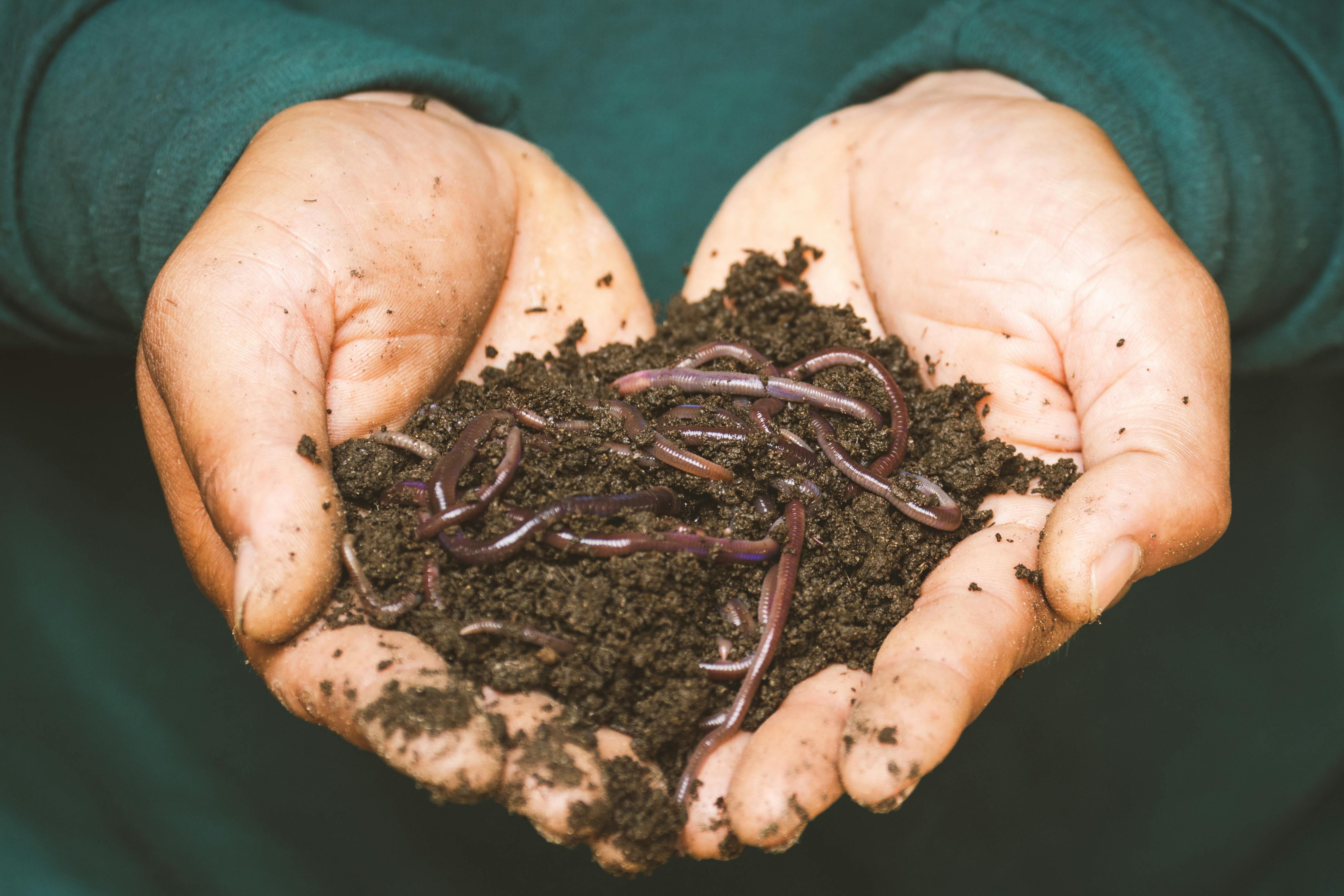
Kenya's agricultural sector, a cornerstone of its economy, is under increasing pressure. Decades of intensive farming, coupled with climate change impacts like erratic rainfall and prolonged droughts, have led to widespread soil degradation. Statistics indicate that over 32% of Kenya’s agricultural land is affected by degradation, threatening food security and farmer livelihoods. This alarming trend underscores the urgent need for a paradigm shift towards sustainable agricultural practices.
Organic farming, with its emphasis on ecological balance and soil regeneration, offers a viable pathway forward. By shunning synthetic chemicals and embracing natural processes, organic farming not only protects the environment but also builds resilience in farming systems. The growth of agribusiness in Kenya has seen a significant push towards integrating organic methods, recognizing their potential for long-term productivity and economic stability. Organic compost stands out as one of the most effective and accessible tools in this agricultural revolution, providing a natural remedy to replenish depleted soils and foster a thriving ecosystem beneath the surface.
Key Insights & Strategies for Composting Excellence

Creating high-quality organic compost is an art and a science. It's about understanding the delicate balance of nature and harnessing its power to transform waste into a nutrient-rich goldmine for your farm. Here are some key insights and strategies to guide you.
1. Mastering the Art of Layering: The Right Mix for Rich Compost
The foundation of excellent compost lies in proper layering, often referred to as balancing your 'greens' (nitrogen-rich materials) and 'browns' (carbon-rich materials). This crucial step ensures efficient decomposition and a well-balanced final product rich in nutrients. For Kenyan farmers, readily available resources like maize stalks, dry leaves, and grass clippings serve as excellent browns, while animal manure (from cows, chickens, goats) and fresh kitchen scraps are your greens.
Follow these steps for optimal layering:
- Start with a Base: Lay a 6-inch layer of coarse brown materials (twigs, straw) at the bottom to ensure good aeration and drainage.
- Alternate Layers: Add a 6-8 inch layer of brown materials (e.g., dry leaves, shredded newspaper, crop residues like maize stalks).
- Introduce Greens: Follow with a 2-4 inch layer of green materials (e.g., fresh grass clippings, kitchen scraps, animal manure). Aim for a ratio of approximately 3 parts browns to 1 part greens. This ratio is vital for microbial activity.
- Moisture and Activation: Lightly water each green layer to ensure it's damp, like a wrung-out sponge. To kickstart the process, you can sprinkle a thin layer of soil or use a dedicated compost starter. For farmers seeking to accelerate decomposition and ensure a robust microbial population, consider an effectiveOrganic Microbial Blend Compost Starter for Garden and Yard – available on Amazon.This can significantly reduce composting time.
- Repeat and Build: Continue layering until your pile is at least 3-5 feet high. A larger pile helps retain heat, which is essential for decomposition.
Achieving this balance prevents the pile from becoming too wet and anaerobic (which leads to foul odors) or too dry and slow to decompose. Remember, the goal is to create an ideal environment for beneficial microorganisms to thrive.
2. The Breath of Life: Aeration Techniques for Optimal Decomposition
Just like living organisms, your compost pile needs to breathe. Aeration, the process of introducing air into the pile, is critical for aerobic decomposition – the process carried out by oxygen-loving microbes. Without sufficient oxygen, anaerobic bacteria take over, leading to slower decomposition, unpleasant smells (like rotten eggs), and a less effective final product. Regular turning is the simplest and most effective aeration technique.
Here’s how to ensure your compost pile gets enough air:
- Regular Turning: Turn your compost pile every 3-7 days, especially during the active heating phase. Use a pitchfork or a specialized compost aerator to mix the materials thoroughly, moving the outer layers to the center and vice versa. This distributes heat and moisture evenly.
- Compost Aerators: For larger piles or those seeking less strenuous methods, a T-shaped compost aerator can be plunged into the pile and twisted to create air pockets without fully turning.
- Pile Size and Structure: Avoid overly compacting your pile. While a good size is important for heat generation, a pile that is too dense can restrict airflow. Incorporating coarser materials like wood chips or straw initially can help maintain structure and air pockets.
- Monitoring Temperature: A hot compost pile (between 55-65°C or 130-150°F) indicates active decomposition. Use a long-stemmed compost thermometer to monitor the internal temperature. When the temperature starts to drop, it's a sign that turning is needed. A reliableCompost Thermometer, Stainless Steel Soil Test Thermometer – available on Amazonis an invaluable tool for ensuring your compost is actively working.
Consistent aeration prevents anaerobic conditions, ensures rapid breakdown of materials, and produces a healthy, earthy-smelling compost ready to enrich your Kenyan farm. To delve deeper into sustainable practices, Explore sustainable organic farming solutions with Biofarm Kenya.
3. Timing is Everything: Strategic Compost Application for Maximum Impact
Applying compost effectively is just as important as making it correctly. The timing and method of application can significantly influence its benefits, from nutrient uptake to improved soil structure and even erosion control. For Kenyan farmers, aligning compost application with rainfall cycles is particularly crucial to maximize nutrient release and root absorption.
Consider these strategies for optimal compost application:
- Pre-Planting Incorporation: The ideal time to apply compost is before planting. Spread a 1-2 inch layer over your garden beds and lightly incorporate it into the top 4-6 inches of soil. This gives the compost time to integrate with the soil and release nutrients as plants begin to grow.
- Top Dressing/Mulching: For established plants, apply a thin layer (0.5-1 inch) of compost around the base of plants. This acts as a slow-release fertilizer, retains soil moisture, suppresses weeds, and protects the soil from erosion.
- Timing with Rainfall: In Kenya, where rainfall can be seasonal and unpredictable, timing is key. Apply compost just before expected rains or during the onset of the growing season. This helps leach nutrients into the root zone and allows soil organisms to incorporate the compost effectively.
- Soil Testing for Precision: Before widespread application, conduct a soil test to understand your soil's specific nutrient deficiencies and pH levels. This allows for targeted application, ensuring you provide exactly what your crops need. An easy-to-useSoil pH and Moisture Meter, 3-in-1 Soil Tester Kit for Garden, Farm, Lawn – available on Amazoncan help you make informed decisions about your compost application.
- Erosion Control: On sloped lands, a thicker layer of compost mulch can significantly reduce water runoff and soil erosion, acting as a protective blanket that holds soil particles together.
By applying compost strategically, you ensure that its full potential for enhancing nutrient retention, fostering microbial diversity, and preventing soil erosion is realized, leading to healthier crops and more productive land.
Case Studies: Kenyan Farmers Thriving with Organic Compost
Across Kenya, numerous farmers are demonstrating the tangible benefits of embracing organic compost. These success stories not only inspire but also provide practical blueprints for others to follow. One notable example comes from a small-scale farmer in Bungoma County, Mama Rose, who transitioned from conventional farming to entirely organic methods.
Mama Rose, initially struggling with declining yields and high fertilizer costs, attended a local agricultural training on composting. She began converting her crop residues, kitchen waste, and dairy manure into nutrient-rich compost. Within two seasons, her maize and bean yields increased by an average of 25%, and her vegetables showed remarkable resilience to common pests. 'The soil feels alive now,' she shares, 'and my crops are stronger. I spend less on chemicals and earn more from healthier produce.' This transformation mirrors the 34% yield boosts observed in KALRO trials for organic plots, showcasing real-world applicability.
Another inspiring case is found in the greenhouse farming communities around Nairobi. Many small-holder greenhouse adopters are integrating compost into their raised beds. For instance, John Mwangi, who grows high-value tomatoes and capsicum in a modest greenhouse, credits compost with providing consistent nutrition and improving the water-holding capacity of his sandy loam soil. He uses drip irrigation systems in conjunction with compost, maximizing water efficiency and nutrient delivery. The Food and Agriculture Organization (FAO) consistently advocates for such integrated soil fertility management practices, highlighting their role in enhancing food security and mitigating climate change impacts in sub-Saharan Africa. (Source: FAO Organic Agriculture)
These examples illustrate that organic composting is not merely an ecological ideal but a practical, economically viable strategy for Kenyan farmers to achieve sustainable success, improve soil fertility, and secure their livelihoods for generations to come. They stand as a testament to the power of natural solutions in the face of modern agricultural challenges.
Common Mistakes to Avoid in Organic Composting
While organic composting is a straightforward process, certain common mistakes can hinder decomposition, produce poor-quality compost, or even attract pests. Being aware of these pitfalls allows farmers to avoid them and ensure a successful composting journey.
- Insufficient Aeration: This is perhaps the most common mistake. A compost pile that isn't turned or aerated regularly becomes dense and anaerobic, leading to a slow, smelly process. Remember, beneficial microbes need oxygen! Turn your pile weekly or use an aerating tool.
- Improper Carbon-to-Nitrogen Ratio: Too many 'greens' (nitrogen-rich materials) can make the pile wet, slimy, and smelly. Too many 'browns' (carbon-rich materials) will make decomposition very slow. Aim for that 3:1 brown-to-green ratio.
- Adding Inappropriate Materials: Avoid adding meat, dairy products, oily foods, diseased plants, or pet waste to your compost pile. These can attract pests (rodents, flies), create foul odors, or introduce pathogens that can harm your crops.
- Lack of Moisture Control: A compost pile should be consistently damp, like a wrung-out sponge. If it's too dry, decomposition grinds to a halt. If it's too wet, it becomes anaerobic. Water your pile if it's dry, and add more browns if it's too wet.
- Applying Immature Compost: 'Hot' or unfinished compost can damage plants by tying up nitrogen in the soil as it continues to decompose. Ensure your compost is fully mature – dark brown, crumbly, and smells earthy – before applying it to sensitive plants or seedbeds.
- Ignoring Pile Size: A compost pile that is too small might not generate enough heat to effectively break down materials. Aim for a pile that is at least 3x3x3 feet to encourage sufficient heat retention and microbial activity.
By avoiding these common errors, Kenyan farmers can streamline their composting process, produce high-quality soil amendments, and reap the maximum benefits for their sustainable farming endeavors.
Expert Tips & Best Practices for Maximizing Compost Benefits
To truly master organic composting and elevate your sustainable farming practices, incorporating expert tips and best practices can make a significant difference. These insights are designed to help Kenyan farmers optimize their compost production and application for the healthiest possible soil and highest yields.
- Diversify Your Inputs: Don't limit your compost materials to just a few types. A wider variety of 'greens' and 'browns' leads to a more nutrient-diverse compost. Incorporate different crop residues, tree leaves, wood ash (in moderation), and various animal manures (if available).
- Shred or Chop Materials: Break down larger materials like maize stalks, woody stems, or larger kitchen scraps into smaller pieces before adding them to the pile. Smaller pieces have a larger surface area, accelerating decomposition significantly.
- Build Multiple Piles: If space allows, consider having two or more compost piles. While one is actively decomposing, you can start a new one. This ensures a continuous supply of mature compost, allowing you to use it when needed without rushing the process.
- Inoculate Your Pile Naturally: If your pile seems slow to start, add a layer of finished compost or a shovel full of rich garden soil. These introduce beneficial microorganisms that kickstart decomposition in your new pile. As mentioned earlier, a specializedOrganic Microbial Blend Compost Starter – available on Amazoncan also provide this boost.
- Protect Your Pile: While exposure to sun and rain is generally fine, extreme conditions can slow decomposition. In very hot, dry weather, cover your pile to retain moisture. During heavy rains, a simple tarp can prevent it from becoming waterlogged.
- Test Your Soil Regularly: Understanding your soil's current nutrient levels and pH is crucial for targeted compost application. A straightforward3-in-1 Soil Tester Kit – available on Amazoncan provide quick insights, helping you adjust your compost use for optimal plant health.
- Integrate with Other Sustainable Practices: Compost is most effective when part of a holistic sustainable farming approach. Combine it with practices like cover cropping, crop rotation, and efficient irrigation (e.g., drip irrigation) for synergistic benefits.
By implementing these expert tips, Kenyan farmers can produce superior compost that not only enriches their soil but also fosters a more resilient and productive farming system. For further resources and partnerships in sustainable agriculture, we encourage you to explore sustainable organic farming solutions with Biofarm Kenya.
Future Trends & Innovations in Kenyan Sustainable Agriculture
The landscape of Kenyan agriculture is continuously evolving, with exciting innovations emerging that promise to enhance productivity and sustainability. Organic composting, while a time-tested practice, perfectly complements many of these forward-looking trends, creating a synergy for a more resilient food system.
- Smart Irrigation Systems: With increasing water scarcity, technologies like drip irrigation and smart sensors that monitor soil moisture are becoming crucial. These systems deliver water directly to the plant roots, minimizing waste. Compost enhances their effectiveness by improving soil's water retention capacity. For efficient water management, consider a reliableDrip Irrigation Kit for Garden, Automatic Micro Drip Watering System – available on Amazon.
- Vertical Farming and Urban Agriculture: As urbanization continues, vertical farms and urban gardens are gaining traction, especially in cities like Nairobi. These systems maximize space and often use soilless growing media, but organic compost can be integrated into potting mixes for nutrient enrichment in container gardening.
- AI-Driven Crop Monitoring and Precision Agriculture: Artificial intelligence and drones are being deployed to monitor crop health, detect pests and diseases early, and optimize fertilizer application. While compost reduces the need for external fertilizers, AI can help farmers understand precise nutrient needs, informing when and where compost would be most beneficial.
- Bio-pesticides and Bio-fertilizers: The shift away from synthetic chemicals is leading to increased research and adoption of natural alternatives. Bio-pesticides derived from plants or microbes offer ecological pest control, while bio-fertilizers enhance nutrient availability, often working synergistically with organic compost to build soil fertility.
- Climate-Smart Agriculture (CSA): CSA integrates sustainable land management practices, climate-resilient crop varieties, and efficient water use to help farmers adapt to climate change while minimizing environmental impact. Organic composting is a fundamental component of CSA, contributing to carbon sequestration and improved soil health, making farms more resilient to climatic shocks.
These trends highlight a future where traditional wisdom, like organic composting, is empowered by modern technology, creating a powerful toolkit for Kenyan farmers to navigate environmental challenges and secure prosperity for generations.
Conclusion: Cultivating a Greener Future with Organic Compost
The journey to sustainable farming success in Kenya is deeply rooted in the health of our soil. As we’ve explored, the growing commitment of Kenyan farmers to prioritize soil health, driven by concerns over declining fertility, underscores the critical importance of practices like organic composting. From the meticulous layering of crop residues and animal manure to the vital role of aeration and the strategic timing of applications, creating and utilizing organic compost is a powerful investment in our agricultural future.
The remarkable 34% yield increases observed in KALRO trials, along with inspiring case studies from farmers like Mama Rose, provide compelling evidence of compost’s transformative power. It’s a natural solution that enhances nutrient retention, fosters microbial diversity, combats soil erosion, and reduces reliance on costly synthetic inputs. By avoiding common composting mistakes and embracing expert tips, every Kenyan farmer can become a master of soil regeneration.
As Kenya looks to the future, integrating organic compost with emerging trends like smart irrigation and precision agriculture will only strengthen our food systems. Let’s continue to nurture our land, ensuring it remains fertile and productive for generations to come. Discover trusted organic farming tools onAmazonandlearn more about sustainable solutions with Biofarm Kenya.
FAQs About Organic Composting in Kenya
Q1: What is organic compost and why is it important for Kenyan farms?
Organic compost is a rich, dark, humus-like material made from decomposed organic matter, such as crop residues, animal manure, and kitchen waste. It is crucial for Kenyan farms because it naturally restores soil fertility, improves soil structure, enhances water retention, increases microbial activity, and provides essential nutrients for crops, reducing the need for expensive chemical fertilizers and combating soil degradation prevalent in many parts of the country. (Source: FAO Organic Agriculture)
Q2: How long does it take to make organic compost in Kenya?
The time it takes to make compost in Kenya can vary from a few weeks to several months, depending on factors like the type of materials used, the size of the pile, and how often it's turned and watered. A well-managed 'hot' compost pile with proper layering and frequent aeration can yield finished compost in 2-3 months. Slower, less-managed piles might take 6-12 months. Using a compost starter can also accelerate the process. (Source: Biofarm Kenya Blog)
Q3: What materials can I use to make compost in Kenya?
Kenyan farmers have access to a wealth of compostable materials. 'Browns' (carbon-rich) include dry leaves, maize stalks, dry grass, straw, wood chips, and shredded paper. 'Greens' (nitrogen-rich) include fresh grass clippings, kitchen scraps (vegetable and fruit peels), coffee grounds, fresh weeds (without seeds), and various animal manures (cow, chicken, goat, rabbit). It's important to avoid diseased plants, meat, dairy, and oily foods. (Source: KALRO)
Q4: How do I know if my compost is ready for use?
Mature compost is typically dark brown or black, crumbly, and has an earthy, fresh smell – not foul or ammonia-like. You should no longer be able to identify the original materials (though some stubborn woody bits might remain). The temperature inside the pile should have returned to ambient temperature, indicating that the intense decomposition phase is complete. (Source: NEMA)
Q5: What is the best way to apply compost to my crops?
The best way to apply compost depends on your crop and stage. For new plantings, incorporate a 1-2 inch layer into the topsoil before planting. For established plants, use it as a top dressing or mulch, spreading a 0.5-1 inch layer around the base. Timing application with rainfall helps nutrients penetrate the soil. Avoid burying compost too deeply, as its benefits are most pronounced in the upper soil layers. (Source: Biofarm Kenya Products)
Q6: Are there any government initiatives supporting organic farming in Kenya?
Yes, the Kenyan government, through the Ministry of Agriculture, Livestock, Fisheries and Cooperatives, actively promotes sustainable agriculture and organic farming practices. Initiatives often include farmer training programs, provision of extension services, and research by institutions like KALRO (Kenya Agricultural and Livestock Research Organization) to develop organic inputs and best practices. There is a growing recognition of organic farming's role in food security and climate resilience. (Source: Ministry of Agriculture, Livestock, Fisheries and Cooperatives, Kenya)
External Authoritative Links:
- Food and Agriculture Organization (FAO) - Organic Agriculture
- Kenya Agricultural and Livestock Research Organization (KALRO)
- National Environment Management Authority (NEMA) Kenya
- Ministry of Agriculture, Livestock, Fisheries and Cooperatives, Kenya
- United Nations Environment Programme (UNEP)
- World Bank - Agriculture
Internal Biofarm Kenya Links:


0 Comments