

Estimated Reading Time: 11 minutes
TL;DR: Kenyan farmers can achieve higher profits and sustainable yields by adopting integrated soil fertility management (ISFM) strategies. This involves balancing optimal NPK ratios with timely compost application and precise pH management, moving beyond strict organic-only methods. KALRO-backed research demonstrates that a combined organic-chemical approach significantly boosts productivity, especially in clay-rich soils. Investing in soil testing and smart farming tools is crucial for maximizing returns and ensuring long-term soil health.
Key Takeaways:
- Embrace Integrated Soil Fertility Management (ISFM): Combine organic amendments like compost with targeted chemical fertilizers for superior results compared to organic-only approaches, particularly in challenging soil types.
- Master NPK Ratios: Understand and apply optimal Nitrogen (N), Phosphorus (P), and Potassium (K) ratios tailored to your specific crops and soil analysis to achieve up to 30% yield increases, as highlighted by KALRO research.
- Optimize Compost Application: Apply well-matured compost at the right time in the crop cycle to prevent nutrient lockup and maximize its benefits, enhancing soil structure and microbial activity.
- Prioritize Soil pH Balancing: Regularly monitor and adjust soil pH to ensure nutrient availability and fertilizer efficiency, a critical factor for mixed fertilizer strategies.
- Invest in Soil Diagnostics: Utilize soil testing kits and pH meters to make informed decisions, reducing waste and optimizing input costs for greater profitability.
Table of Contents:
- Introduction: Cultivating Prosperity from the Ground Up
- Background & Context: The Shifting Sands of Kenyan Agriculture
- Key Insights & Strategies for Profit-Driven Soil Management
- Case Studies & Examples: Kenyan Farmers Leading the Way
- Common Mistakes to Avoid in Soil Fertility Management
- Expert Tips & Best Practices for Enhanced Soil Health
- Future Trends & Innovations in Kenyan Soil Management
- Conclusion: Sowing Seeds of Sustainable Profitability
- FAQs: Your Soil Fertility Questions Answered
Introduction: Cultivating Prosperity from the Ground Up
In the vibrant heart of East Africa, Kenyan farmers are increasingly seeking sustainable yet profitable soil fertility strategies to meet growing food demands and improve livelihoods. The very foundation of a thriving farm lies beneath our feet – in the soil. For generations, Kenyan agriculture has been the backbone of the economy, but today’s farmers face unprecedented challenges, from climate change variability to rising input costs. The journey towards higher yields and sustainable income begins with understanding and nurturing our most vital resource: the soil.
Recent studies from the Kenya Agricultural and Livestock Research Organization (KALRO) illuminate a promising path forward. Their findings suggest that a nuanced approach, combining organic and chemical methods, often outperforms pure organic strategies, especially in the prevalent clay-rich soils of regions like the Rift Valley. This evidence-based strategy counters the singular push towards strict organic-only practices, offering a more pragmatic and productive solution for many Kenyan smallholder farmers.
This comprehensive guide from Biofarm Kenya delves into KALRO-backed soil strategies designed for profitable, sustainable yields. We will explore the critical components of optimal NPK ratios, delve into the intricacies of compost timing to avoid nutrient lockup, and demystify pH balancing techniques essential for efficient mixed fertilizer application. By embracing these integrated soil fertility management (ISFM) principles, Kenyan farmers can transform their fields into engines of prosperity, ensuring both ecological health and robust financial returns.
Background & Context: The Shifting Sands of Kenyan Agriculture
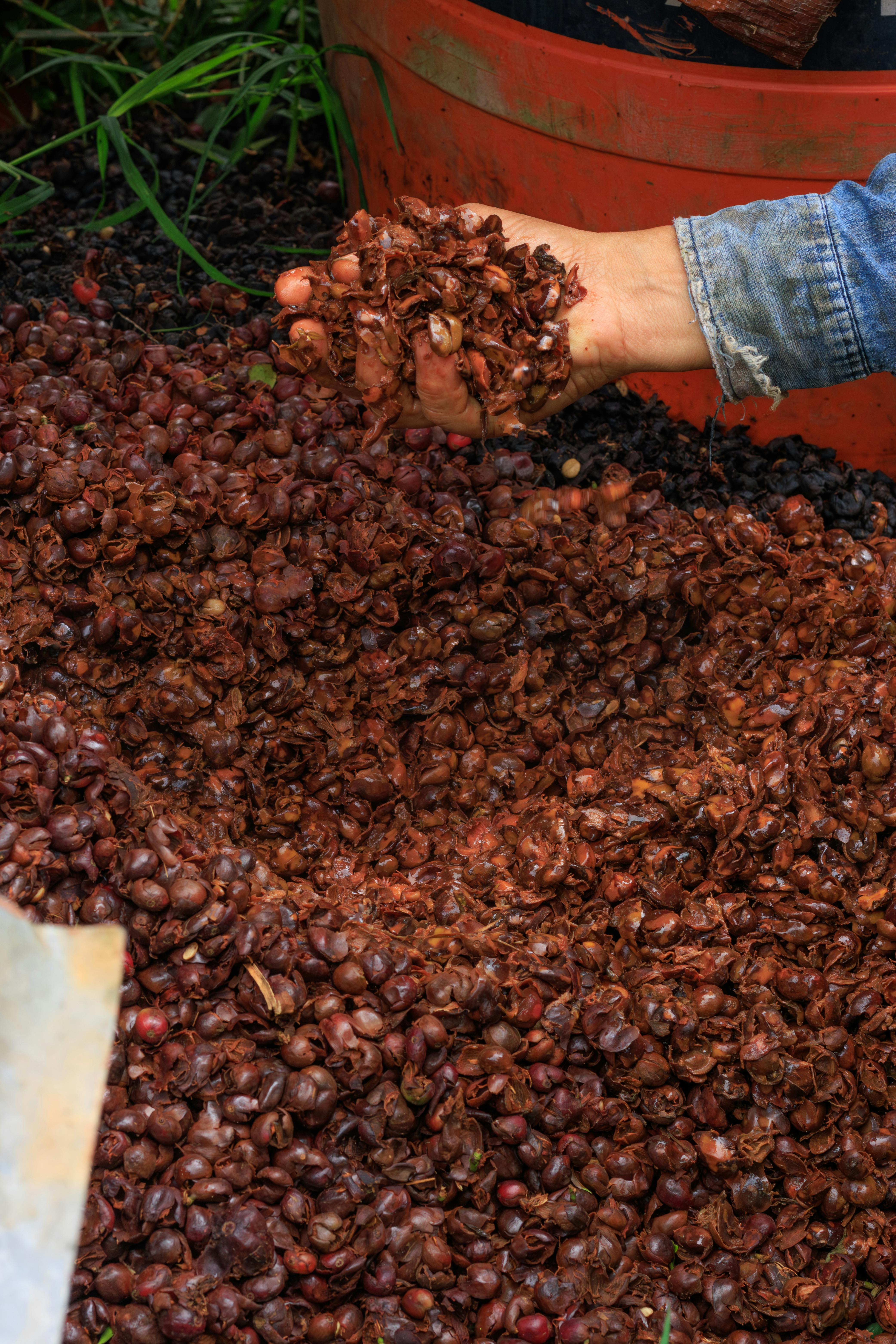
Kenya's agricultural sector is undergoing a significant transformation. With a population projected to reach over 85 million by 2050, the pressure on agricultural land and resources is intensifying. Traditional farming methods, while deeply ingrained, often struggle to keep pace with these demands without depleting soil health. Organic farming, while environmentally sound, has faced challenges in achieving comparable yields to conventional methods in certain contexts, leading to food security concerns.
Data from the Ministry of Agriculture indicates a steady increase in interest in sustainable agriculture across Kenya. Smallholder farmers, who constitute the vast majority of agricultural producers, are keen to adopt practices that reduce reliance on costly external inputs while maintaining or enhancing productivity. However, access to accurate information, tailored training, and affordable appropriate technologies remains a hurdle. KALRO's ongoing research is pivotal in bridging this gap, providing locally relevant, scientifically-backed recommendations.
The recognition that a 'one-size-fits-all' approach is insufficient has led to the promotion of Integrated Soil Fertility Management (ISFM). ISFM emphasizes the judicious use of both organic and inorganic nutrient sources, alongside appropriate soil and water conservation measures. This holistic strategy is designed to maximize nutrient use efficiency, improve soil health over the long term, and ultimately, boost farm profitability. It’s about working with nature and science in synergy.
Key Insights & Strategies for Profit-Driven Soil Management

Achieving sustained profitability in Kenyan agriculture hinges on precise and proactive soil management. Here are the core strategies, backed by research and practical application:
1. Mastering Optimal NPK Ratios for Maximum Yield
Nitrogen (N), Phosphorus (P), and Potassium (K) are the primary macronutrients vital for plant growth. Applying the correct balance of these nutrients, tailored to your crop and soil type, is paramount. KALRO's 2025 trials project up to 30% yield increases when farmers adopt optimal NPK ratios. This isn't about simply adding more fertilizer; it's about adding the right fertilizer in the right amounts.
- Conduct Soil Testing: The first step is always to understand your soil's current nutrient profile. A professional soil test will reveal deficiencies and excesses.
- Consult Crop-Specific Recommendations: Different crops have varying NPK requirements. Maize, for instance, has different needs than beans or horticultural crops.
- Balance Organic and Inorganic Sources: Integrate compost and farmyard manure (organic sources) which provide slow-release nutrients, with targeted mineral fertilizers (inorganic) to address immediate plant needs.
- Monitor Plant Health: Observe your crops for signs of nutrient deficiencies, which can indicate an imbalance even with fertilizer application.
For accurate and consistent soil analysis, consider investing in a reliableAtree Soil Test Kit 3-in-1 Soil pH Meter – available on Amazon. This tool helps you quickly assess pH, moisture, and light levels, giving you immediate insights into your soil's condition.
2. Strategic Compost Timing to Avoid Nutrient Lockup
Compost is a farmer's gold, enriching soil structure, improving water retention, and providing a steady supply of nutrients. However, improper timing of compost application can lead to nutrient lockup, where nutrients become unavailable to plants, or even nitrogen tie-up if the compost is not fully mature.
- Use Matured Compost: Ensure your compost is fully decomposed and dark brown, with an earthy smell. Immature compost can rob the soil of nitrogen as it continues to decompose.
- Pre-Planting Application: The ideal time for applying compost is before planting, allowing it to integrate with the soil and release nutrients steadily as the crop grows. Incorporate it into the top few inches of soil.
- Top-Dressing: For existing crops, well-matured compost can be used as a top-dressing, providing a slow-release nutrient boost and improving soil surface conditions.
- Avoid Over-Application: While beneficial, excessive compost can alter nutrient balance. Apply based on soil test recommendations and crop needs.
To kickstart your organic composting efforts efficiently, consider using anOrganic Compost Starter Mix – available on Amazon. These starters accelerate decomposition, helping you produce rich, ready-to-use compost faster.
3. pH Balancing Techniques for Efficient Mixed Fertilizer Application
Soil pH dictates nutrient availability. An imbalanced pH (too acidic or too alkaline) can render even ample nutrients inaccessible to plant roots, leading to deficiencies despite fertilization. This is especially crucial when combining organic and inorganic inputs.
- Regular pH Testing: Use a soil pH meter or testing kit to regularly monitor your soil's pH. Aim for a range suitable for your specific crops (typically between 6.0 and 7.0 for most vegetables).
- Adjusting Acidic Soil: For acidic soils (low pH), apply agricultural lime to raise the pH. The amount needed depends on your soil type and current pH.
- Adjusting Alkaline Soil: For alkaline soils (high pH), apply organic matter like compost, or amendments like gypsum or elemental sulfur, to lower the pH.
- Calibrate Fertilizer Use: Understand how your chosen fertilizers affect pH. Some can acidify the soil over time. Adjust your pH management strategy accordingly.
To refine your soil management further and explore tailored solutions,explore sustainable organic farming solutions with Biofarm Kenya.
Case Studies & Examples: Kenyan Farmers Leading the Way
Across Kenya, innovative farmers are demonstrating the power of integrated soil fertility management. Take Mama Rose, a smallholder farmer in Kitale, Rift Valley. Initially struggling with diminishing maize yields due to soil exhaustion, she embraced KALRO's training on balanced NPK application combined with regular compost incorporation. After just two seasons, her yields increased by over 40%, significantly boosting her family's income and food security. She now trains her neighbours, advocating for practical, evidence-based soil care.
Another inspiring example comes from the horticultural belt around Naivasha. Here, a cooperative of greenhouse farmers adopted a sophisticated drip irrigation system alongside precise liquid fertilizer injection (fertigation) and regular soil pH monitoring. By minimizing water waste and ensuring nutrients are delivered directly to the root zone at optimal pH levels, they've reduced fertilizer usage by 25% while achieving premium quality produce for both local and export markets. This approach not only saves costs but also minimizes environmental impact. (Source: FAO Kenya Report on Sustainable Intensification, 2021).
These successes underscore a critical lesson: sustainable agriculture isn't just about environmental stewardship; it's about smart economics. By investing in soil health and adopting informed strategies, Kenyan farmers can achieve both ecological resilience and enhanced profitability. The move towards tailored solutions, rather than generic advice, is what truly makes a difference in the diverse agricultural landscapes of Kenya.
Common Mistakes to Avoid in Soil Fertility Management
Even with the best intentions, farmers can sometimes fall prey to practices that hinder soil health and productivity. Recognizing these common errors is the first step towards correction and sustained success:
- Blindly Applying Fertilizers: Without prior soil testing, applying fertilizers based on guesswork often leads to nutrient imbalances, waste, and even environmental pollution. Always test your soil first!
- Ignoring Soil pH: Neglecting pH monitoring means that even if nutrients are present, they might be 'locked up' and unavailable to plants. This is a fundamental oversight that impacts all other fertility efforts.
- Using Immature Compost: Applying fresh, undecomposed organic matter to your fields can temporarily deplete nitrogen from the soil, causing yellowing in plants and hindering growth. Always use well-matured compost.
- Over-Reliance on Single Input Type: Depending solely on chemical fertilizers can degrade soil structure and microbial life over time. Similarly, a strict organic-only approach without careful planning might not meet the high nutrient demands of certain cash crops. An integrated approach is key.
- Poor Water Management: Inefficient irrigation methods, such as overhead sprinklers that lead to excessive runoff, can leach valuable nutrients from the soil, negating fertilizer efforts. Drip irrigation or careful watering practices are essential.
- Ignoring Crop Rotation: Continuous mono-cropping depletes specific nutrients and encourages pest and disease buildup. Implementing diverse crop rotation cycles helps break disease cycles, improve soil structure, and naturally vary nutrient uptake.
Correcting these mistakes involves a commitment to continuous learning and a readiness to adopt new, evidence-based practices. Biofarm Kenya is dedicated to supporting farmers in making these critical shifts for better yields and healthier land.
Expert Tips & Best Practices for Enhanced Soil Health
Drawing on years of experience and cutting-edge research, these expert tips will help Kenyan farmers elevate their soil fertility management to new heights, ensuring both short-term gains and long-term sustainability:
- Embrace Cover Cropping: Plant non-cash crops like legumes (e.g., desmodium, mucuna) during fallow periods. They protect soil from erosion, suppress weeds, add organic matter, and fix atmospheric nitrogen, naturally enriching your soil.
- Practice Minimum Tillage: Reduce frequent ploughing or tilling. This preserves soil structure, enhances microbial activity, reduces erosion, and saves on labor and fuel costs. Direct seeding or conservation tillage are excellent alternatives.
- Utilize Bio-fertilizers and Mycorrhizal Fungi: Explore beneficial microorganisms that can enhance nutrient uptake, improve plant resilience, and reduce the need for synthetic fertilizers. They work in harmony with your soil.
- Implement Integrated Pest and Disease Management (IPDM): Healthy soil fosters healthy plants, which are naturally more resistant to pests and diseases. IPDM reduces reliance on harsh chemicals that can harm beneficial soil organisms.
- Water Wisely with Drip Irrigation: For optimal water and nutrient delivery directly to plant roots, consider investing in a efficient drip irrigation system. This minimizes water waste and nutrient leaching. For small to medium farms, anDrip Irrigation Kit with Timer and Adjustable Drippers – available on Amazon can be a game-changer for water conservation and precise nutrient delivery.
- Regularly Monitor Soil Temperature and Moisture: These factors are crucial for nutrient availability and microbial activity. Simple tools like a compost thermometer can also help you ensure your compost is actively breaking down at the right temperature.
Maintaining healthy soil is an ongoing process that requires dedication and the right tools. For farmers looking to deepen their understanding of soil conditions, a comprehensiveLuster Leaf Rapitest Soil Test Kit – available on Amazon provides fast and easy readings for pH, nitrogen, phosphorus, and potassium, empowering you to make informed decisions for your crops.
For more personalized advice and access to innovative agricultural solutions tailored for the Kenyan context,explore sustainable organic farming solutions with Biofarm Kenya.
Future Trends & Innovations in Kenyan Soil Management
The future of soil fertility management in Kenya is bright, with emerging technologies and innovative approaches promising even greater efficiency and sustainability. Farmers should keep an eye on these transformative trends:
- Precision Agriculture: Leveraging GPS, drones, and sensors to apply inputs like water and fertilizer precisely where and when needed. This minimizes waste and maximizes efficacy, leading to significant cost savings and environmental benefits.
- AI-Driven Crop Monitoring: Artificial intelligence and machine learning algorithms are being developed to analyze plant health, predict disease outbreaks, and recommend optimal farming practices based on real-time data from the field.
- Vertical Farming & Hydroponics: While not directly soil-based, these systems offer solutions for intensive cultivation in areas with limited land or poor soil quality, and their principles can inform soil-based nutrient management.
- Biochar Application: The use of biochar (charcoal produced from biomass pyrolysis) as a soil amendment is gaining traction. It can significantly improve soil structure, water retention, and nutrient holding capacity, especially in degraded soils.
- Enhanced Bioremediation: Research into using microorganisms to clean up contaminated soils or enhance nutrient cycling is advancing, offering natural solutions to complex soil challenges.
- Digital Extension Services: Mobile-based platforms are increasingly providing farmers with personalized advice, market information, and access to inputs, making expert knowledge more accessible than ever before. Biofarm Kenya is at the forefront of bringing these solutions to your farm.
These trends highlight a future where farming is more intelligent, resource-efficient, and tailored to specific needs, ensuring a resilient and prosperous agricultural sector for Kenya.
Conclusion: Sowing Seeds of Sustainable Profitability
Optimizing soil fertility is not merely a technical task; it's an investment in the future of your farm, your family, and Kenya's agricultural landscape. By embracing an integrated approach that combines the best of organic and inorganic methods – focusing on optimal NPK ratios, strategic compost timing, and diligent pH balancing – Kenyan farmers can unlock significantly higher yields and sustainable profits. The evidence from KALRO and successful farmers across the nation clearly demonstrates that a nuanced, informed strategy outperforms rigid, single-method approaches.
The journey to superior soil health is continuous, requiring regular monitoring, adaptable practices, and a willingness to learn and innovate. By equipping yourself with knowledge, embracing new technologies like precision agriculture, and making smart choices about your inputs, you are not just growing crops; you are cultivating a legacy of resilience and prosperity.
Discover trusted organic farming tools onAmazon andlearn more about sustainable solutions with Biofarm Kenya. Your soil is your greatest asset – nurture it, and it will nurture your future.
FAQs: Your Soil Fertility Questions Answered
1. What is Integrated Soil Fertility Management (ISFM) and why is it important for Kenyan farmers?
ISFM is a holistic approach that combines organic inputs (like compost and manure) with inorganic fertilizers, alongside improved germplasm and agronomic practices. It's crucial for Kenyan farmers because it enhances nutrient use efficiency, improves soil health, and leads to more sustainable and profitable yields, especially in diverse agro-ecological zones. (Source: FAO - Integrated Soil Fertility Management)
2. How often should I test my soil's pH and nutrient levels?
It is recommended that Kenyan farmers test their soil's pH and nutrient levels at least once every 2-3 years, or before planting a new major crop. For intensive farming or problem soils, annual testing may be beneficial. This helps in making informed decisions about liming and fertilization. (Source: KALRO Kenya)
3. Can I solely rely on organic fertilizers for optimal yields in Kenya?
While organic fertilizers are excellent for long-term soil health and provide diverse nutrients, recent KALRO studies suggest that for optimal yields, particularly in challenging soil types like clay-rich soils in the Rift Valley, a combined organic-chemical approach often outperforms pure organic methods. This ensures immediate nutrient availability for crop growth alongside long-term soil improvement. (Source: Ministry of Agriculture and Livestock Development, Kenya)
4. What are the common signs of nutrient deficiency in maize in Kenya?
In maize, common signs include yellowing of older leaves (Nitrogen deficiency), purpling of leaves (Phosphorus deficiency), and yellowing or browning along leaf margins (Potassium deficiency). Stunted growth and poor ear development can also indicate overall nutrient stress. Early detection is crucial for timely intervention. (Source: KALRO Maize Growing Guidelines)
5. How can I improve my soil's water retention capacity in arid and semi-arid regions of Kenya?
Improving soil's water retention involves increasing its organic matter content through regular application of compost, farmyard manure, and incorporating cover crops. Practicing minimum tillage also helps preserve soil structure, which in turn enhances water infiltration and retention. Additionally, mulching around plants significantly reduces evaporation. (Source: National Environment Management Authority (NEMA) Kenya)
6. Where can I find reliable training and support for sustainable farming practices in Kenya?
Biofarm Kenya offers a wealth of resources, training programs, and partner solutions tailored to sustainable organic farming practices. You can find more information and connect with experts dedicated to improving farm profitability and soil health. Government institutions like KALRO and local agricultural extension services also provide valuable guidance. (Source: Biofarm Kenya Partners)
Biofarm Internal Links:
- Explore sustainable organic farming solutions with Biofarm Kenya (in Key Insights)
- Explore sustainable organic farming solutions with Biofarm Kenya (in Expert Tips)
- Learn more about sustainable solutions with Biofarm Kenya (in Conclusion)
- Read our detailed guide on soil testing methods
- Join our workshop on effective composting techniques
- Contact Biofarm Kenya for personalized farm advice


0 Comments