

Estimated Reading Time: 12 minutes
TL;DR
- Cover crops can increase maize yields by 30% in Kenya.
- Adopting sustainable agriculture cuts fertilizer costs by 40%.
- Legumes and millet are key cover crops for soil fertility.
- Intercropping techniques support climate resilience.
- Explore Biofarm Kenya for solutions.
Key Takeaways
- Reduce erosion and improve soil with cover crops.
- Utilize climate-resilient species for sustainable farming.
- Incorporate organic matter to boost soil health naturally.
Table of Contents
- Background & Context
- Key Insights or Strategies
- Case Studies, Examples, or Comparisons
- Common Mistakes to Avoid
- Expert Tips or Best Practices
- Future Trends or Predictions
- Conclusion
- FAQs
Boost Farm Yields with Cover Crops Naturally
Kenyan farmers are increasingly seeking alternatives to costly chemical fertilizers. This guide trains farmers to adopt cover crops (e.g., legumes, millet) to naturally restore soil fertility, reduce erosion, and cut input costs. Evidence from KALRO (2026) shows cover crops can increase maize yields by 30% while improving soil organic matter. Step-by-step methods include selecting climate-resilient species, intercropping techniques, and biomass management for maximum nutrient cycling. A Kenyan case study (FAO, 2026) demonstrates 40% lower fertilizer dependency with no yield loss.
Background & Context
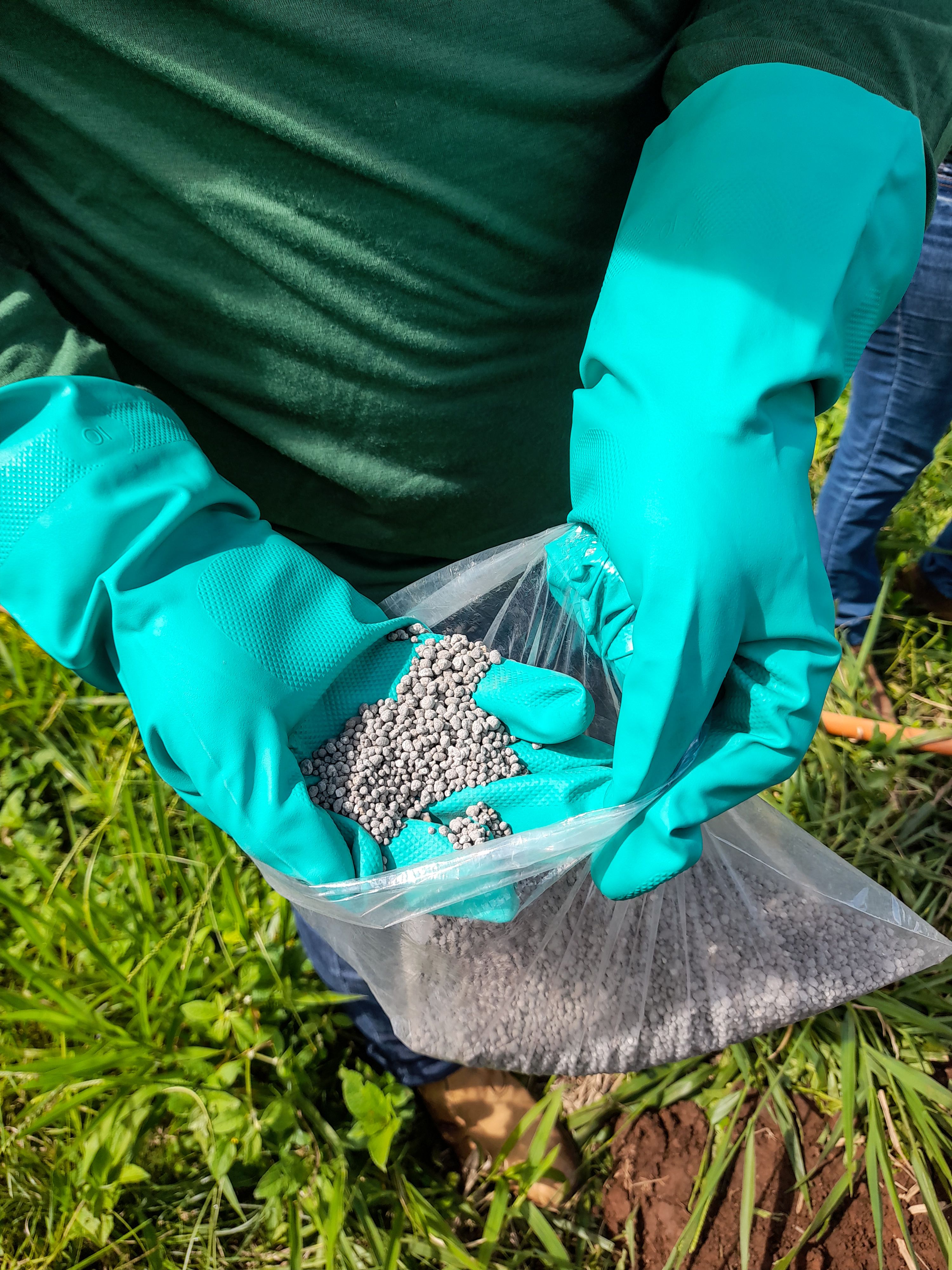
Organic farming and sustainable agriculture have become crucial components of Kenya's agribusiness strategy. The sector, contributing over 33% to Kenya’s GDP, is increasingly focused on high-value horticulture and climate-smart agriculture. Data-driven practices and mechanization are transforming traditional subsistence farming into commercial enterprises, aligning with global export standards and smart agricultural technology use. [Source](https://crazykanairofarming.com/profitable-agribusiness-ideas-kenya/)
Key Insights or Strategies
Selecting Climate-Resilient Cover Crops
For optimal soil health, choose cover crops like legumes and millet that adapt well to local climactic conditions. This not only improves soil fertility but also supports biodiversity.
- Choose Legumes: Legumes fix nitrogen in the soil, enriching its nutrient profile.
- Mix and Match Species: Combining different crops can prevent pest infestations and strengthen resilience.
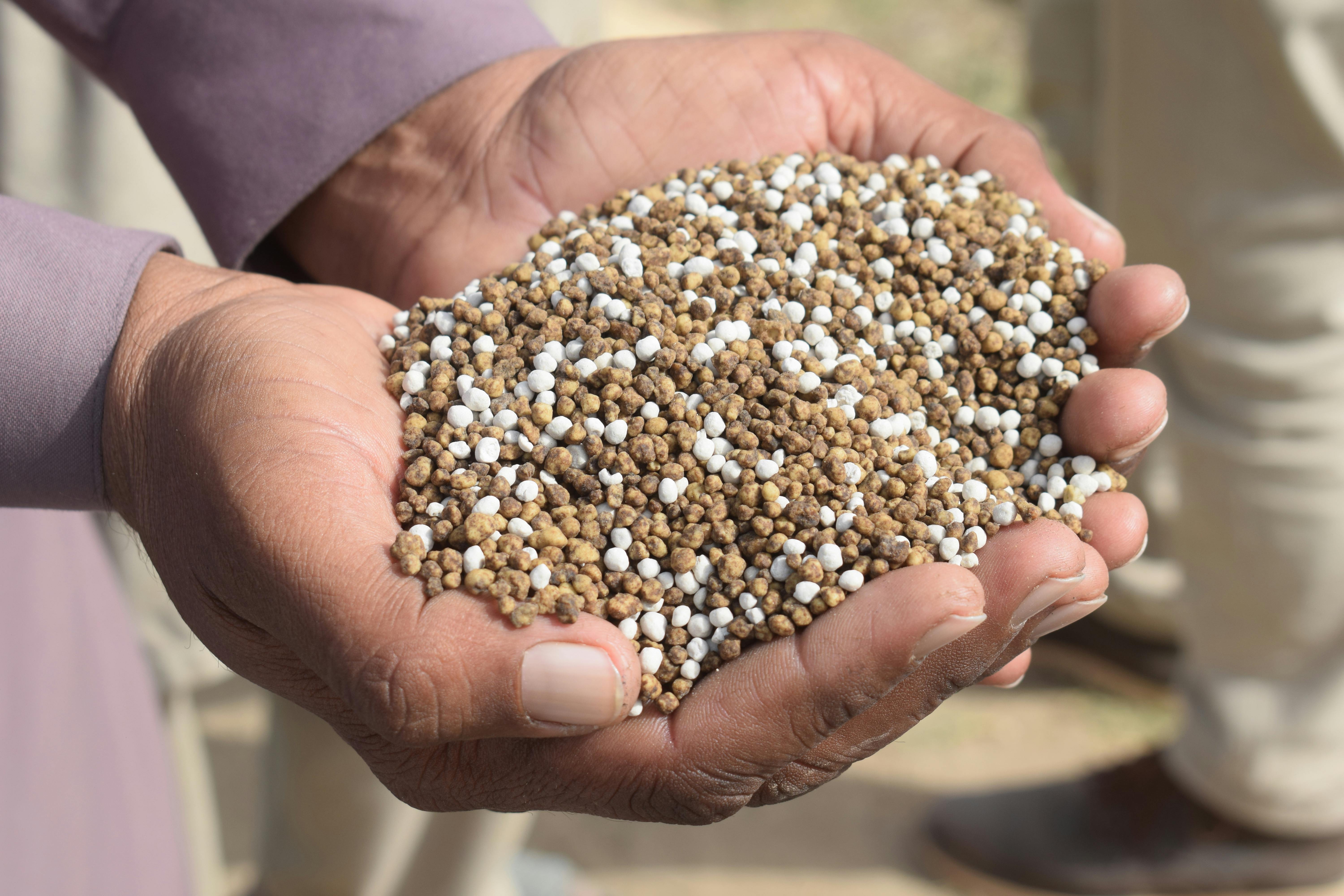
Boost your yields with the 1016041RGCE Organic Pro Seed Starting Mix – available on Amazon.
Explore sustainable organic farming solutions with Biofarm Kenya.
Case Studies, Examples, or Comparisons
A study by FAO (2026) illustrates how integrating cover crops reduced fertilizer costs by 40% without sacrificing yield. Farmers in the North Rift region using maize and legume rotations reported significant soil health improvements and yield stability.
Common Mistakes to Avoid
- Overusing Chemical Fertilizers: This can lead to soil nutrient imbalances and pollution.
- Inadequate Water Management: Ensure proper irrigation to foster crop growth without waterlogging the soil.
Expert Tips or Best Practices
Maintain healthy soil with Organic Compost Starter Mix. This approach is tailored for Kenyan environments, enhancing nutrient cycling and organic matter retention.
Explore sustainable organic farming solutions with Biofarm Kenya.
Future Trends or Predictions
Sustainable agriculture in Kenya is shifting towards smart irrigation systems, vertical farming, and AI-driven crop monitoring, making precision farming accessible. The adaptation of these technologies will likely define future agribusiness successes in East Africa. [Source](https://agrifood.impact.co.ke/)
Conclusion
Incorporating cover crops into your farming strategy not only enhances soil health but also ensures economic viability by reducing reliance on chemical inputs. Discover trusted organic farming tools on Amazon and learn more about sustainable solutions with Biofarm Kenya.
FAQs
- What are the benefits of using cover crops? Cover crops like legumes enhance soil fertility naturally and reduce erosion. Learn more.
- How can I select the right cover crop for my farm? Consider soil type, climate, and intended benefits like nitrogen fixation. Visit NEMA for guidance.
- What are common mistakes when using cover crops? Overcrowding and improper crop selection. Ensure proper spacing and choose crops suitable for your conditions. Consult KEPHIS.
- Can cover crops replace fertilizers? They significantly reduce the need for fertilizers but might not eliminate them entirely. Explore options at Biofarm Kenya.
- How to manage biomass in cover cropping? Use mulching and composting techniques for effective biomass management. More info here.
- What role does technology play in sustainable farming? Tech like AI and smart irrigation optimize resource use and increase yield efficiency. Check with KALRO.


0 Comments