

Estimated Reading Time: 12 minutes
TL;DR:
- Vertical farming revolutionizes crop production by optimizing space and resources, particularly in urban Kenya.
- It significantly reduces water usage (up to 90%) compared to traditional farming through advanced irrigation and recirculation techniques.
- Integrating smart horticulture and fish farming (aquaponics) enhances sustainability and profitability.
- Kenyan smallholders benefit from vertical farming to combat food insecurity and land constraints.
- Utilizing modern tools like soil test kits and drip irrigation kits can further boost productivity and sustainability.
Key Takeaways:
- Adopt vertical farming techniques to maximize crop yield per square meter while conserving water and nutrients.
- Leverage technology such as soil testing kits and drip irrigation systems to optimize growing conditions.
- Explore sustainable organic inputs and partner with local agri-tech providers like Biofarm Kenya for best results.
- Learn from successful case studies in Nairobi and other Kenyan regions pioneering vertical farms and aquaponics.
- Avoid common mistakes such as over-reliance on chemicals and improper irrigation management to enhance farm health.
Table of Contents
Introduction
Sustainable agriculture is critical for Kenya’s future food security amid growing urbanization and climate challenges. The Vertical Farming Revolutionizes Crop Production by offering a novel way of cultivating crops in stacked layers, minimizing land use while improving yields and resource efficiency. This method aligns with Kenya’s ambition to enhance food production sustainably, conserve water, reduce pesticide use, and empower urban farmers. As Kenya’s population expands, vertical farming represents a practical, technology-driven solution for increasing fresh food supply in cities and rural areas alike.
Background & Context
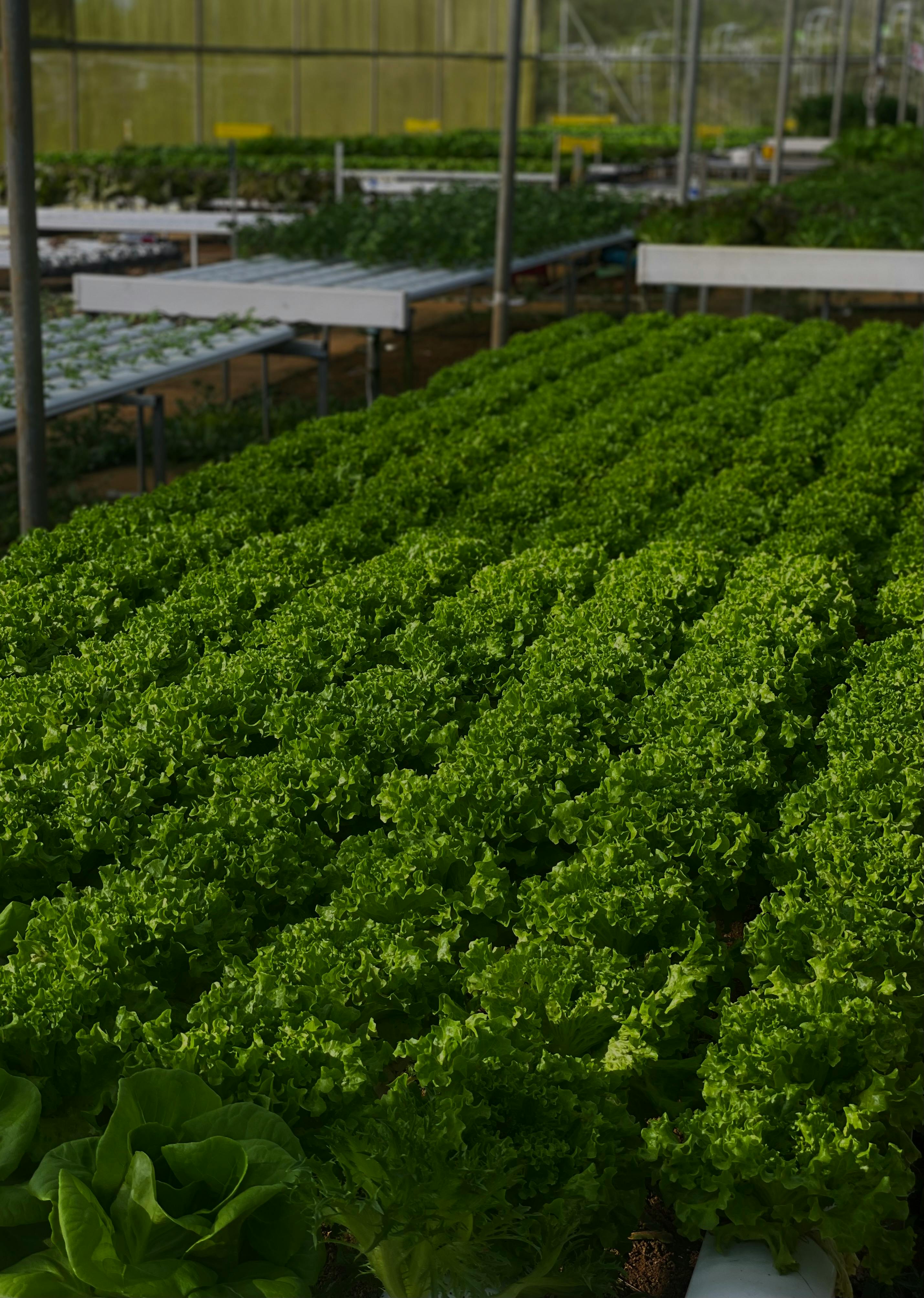
Kenya’s agricultural sector remains central to its economy, providing employment to over 70% of the population. However, challenges such as shrinking arable land, erratic rainfall, and intensive farming pressure threaten soil fertility and crop production. Organic farming practices and sustainable agribusiness models are gaining momentum, but spatial constraints in urban centers require innovative approaches.
Vertical farming in Kenya is emerging as a strategic method to address these challenges. It leverages technology including hydroponics, aeroponics, and aquaponics to grow vegetables and fruits more efficiently—saving up to 90% of water compared to traditional farming. According to local reports, vertical farms contribute to improving urban food supply chains, reducing transport time and food wastage.
Key Insights or Strategies

1. Maximize Resource Efficiency with Vertical Design
Stacking plants vertically multiplies productive space, allowing urban farmers to cultivate more per square meter. Vertical farms often use controlled environments to optimize light, water, and nutrients.
- Design your vertical farm setup using shelves or towers with adjustable spacing for different crops.
- Incorporate LED grow lights to supplement natural sunlight, especially during low-light seasons.
- Use nutrient film technique (NFT) or aeroponics systems to reduce water waste.
- Recycle water with closed-loop systems to increase sustainability.
Boost your yields with the Rapitest Soil Test Kit – available on Amazon, which helps monitor soil pH and nutrient levels for optimal crop health.
Explore sustainable organic farming solutions with Biofarm Kenya
2. Integrate Aquaponics for Combined Fish and Plant Farming
Aquaponics combines fish farming with hydroponic vegetable cultivation, creating a symbiotic ecosystem. Fish waste provides nutrients for plants, while plants help purify fish water.
- Set up fish tanks with compatible species such as tilapia or catfish.
- Connect hydroponic grow beds above or adjacent to tanks.
- Monitor water quality parameters regularly for fish health.
- Harvest both fish and vegetables, maximizing farm outputs.
3. Employ Efficient Watering with Drip Irrigation
Water scarcity in Kenya calls for precision irrigation systems that reduce waste and target water use to crop roots.
- Install drip irrigation kits tailored to vertical or ground-level crops.
- Use timers or moisture sensors to regulate watering schedules.
- Regularly check and maintain irrigation components to prevent leaks.
Consider the 230FT Drip Irrigation System Kit with Adjustable Nozzles – available on Amazon for a reliable and efficient watering solution.
Explore sustainable organic farming solutions with Biofarm Kenya
Case Studies, Examples, or Comparisons
In Nairobi's high-density slums like Kibera and Mathare, vertical farming has empowered low-income households to combat food insecurity through urban agriculture. Innovators use sack gardening and vertical garden structures to grow vegetables efficiently in limited spaces. Projects supported by NGOs demonstrate that vertical gardening increases food access and household incomes.
Another success story is the uptake of aquaponics systems by Kenyan farmers blending fish and vertical horticulture to achieve continuous production year-round. According to reports from the Ministry of Agriculture, vertical farms in urban areas show yield increases up to 5 times that of traditional open-field agriculture.
The Food and Agriculture Organization (FAO) also promotes vertical farming as a resource-efficient option ideal for Kenya’s diverse agro-ecological zones, especially where land and water resources are constrained.
Common Mistakes to Avoid
- Neglecting soil or nutrient solution monitoring: Skipping regular testing can lead to nutrient imbalances that stunt growth. Use soil or water test kits routinely.
- Overwatering or poor drainage: Excess moisture encourages root diseases. Ensure your irrigation system is well-calibrated.
- Using chemical pesticides indiscriminately: This harms beneficial microbes and pollutes water; opt for organic pest management.
- Ignoring crop rotation and diversity: Growing the same crop repeatedly increases pest and disease buildup; diversify and rotate crops.
- Failure to maintain proper lighting and ventilation: Insufficient light or poor airflow reduces photosynthesis and promotes fungal infections.
Expert Tips or Best Practices
Kenyan farmers looking to excel in vertical farming should prioritize soil and water health by using quality organic inputs teamed with modern testing tools. Amend soils or growing mediums with balanced organic compost to enhance fertility and structure.
Maintain healthy soil with Drammatic Organic Original Fertilizer 2-4-1 Liquid – available on Amazon, which supports nutrient-rich growth for vegetables and fruits.
Regularly monitor pH and nutrient levels using user-friendly soil test kits to adjust your fertilization plan strategically. Drip irrigation can be synchronized with soil moisture sensors for efficient water management, conserving resources while ensuring crops thrive.
Explore sustainable organic farming solutions with Biofarm Kenya to access expert guidance and innovative farming tools designed for Kenyan growers.
Future Trends or Predictions
The future of sustainable agriculture in Kenya and East Africa is bright with advances such as smart irrigation systems driven by IoT (Internet of Things) sensors, AI-enabled monitoring of crop health, and expansion of vertical farming integration in urban planning.
Expect increased adoption of solar-powered water pumps and greenhouses tailored to vertical setups, further reducing dependency on erratic weather patterns. Moreover, digital agriculture platforms will link farmers directly to markets and supply chains, enhancing profitability.
Research into climate-resilient crop varieties suited for vertical farming environments is accelerating to help Kenya meet its food security goals under changing climatic conditions. Partnerships between technology innovators and agricultural experts, like those facilitated by Biofarm Kenya, will be pivotal.
Conclusion
The Vertical Farming Revolutionizes Crop Production by providing innovative, space-efficient, and resource-saving agricultural solutions aligned with Kenya’s sustainability agenda. Through combining technology, organic practices, and water-efficient systems, Kenyan farmers can produce more nutritious food with a smaller environmental footprint.
Discover trusted organic farming tools on Amazon and learn more about sustainable solutions with Biofarm Kenya.
FAQs
1. What is vertical farming and how does it work?
Vertical farming is a method of growing crops in stacked layers or vertically inclined surfaces in controlled environments, often using hydroponics or aeroponics. It optimizes space and resource use by controlling light, water, and nutrients. (Source: FAO Agricultural Innovations)
2. How much water can vertical farming save in Kenya?
Vertical farms in Kenya use up to 90% less water than traditional agriculture through recirculation and drip irrigation systems, making it ideal for water-scarce regions. (Source: Farmonaut Kenya)
3. Can vertical farming be combined with fish farming?
Yes, aquaponics integrates fish farming with hydroponic plant cultivation to create a symbiotic ecosystem that enhances nutrient efficiency and productivity. (Source: Biofarm Kenya)
4. Are there affordable irrigation solutions for vertical farming?
Drip irrigation kits are affordable and efficient for vertical farms, providing precise watering to plant roots and reducing waste. Timed and sensor-based systems further optimize water use. (Source: Kenya NEMA)
5. What common mistakes should Kenyan smallholders avoid in vertical farming?
Avoid neglecting soil nutrient monitoring, overwatering, excessive pesticide use, and poor lighting or ventilation to sustain healthy crops. Regular testing and organic practices help maintain balance. (Source: Biofarm Kenya)
6. How can I start my own vertical farm in Kenya?
Begin by researching local climate and space, select appropriate crops, obtain soil or hydroponic systems, and consider training from local agri-tech providers. Partner with experts like Biofarm Kenya for support. (Source: Kenya Ministry of Agriculture)
Additional Resources & Links:


0 Comments