

Estimated Reading Time: 13 minutes
TL;DR: Discover how Kenyan farmers in arid regions are leveraging hybrid irrigation techniques to reduce water use by 50% without compromising yield. Learn methods from Jomo Kenyatta University trials, uncover common misconceptions, and explore innovative tools and technologies.
Table of Contents
- Background & Context
- Key Insights or Strategies
- Case Studies, Examples, or Comparisons
- Common Mistakes to Avoid
- Expert Tips or Best Practices
- Future Trends or Predictions
- Conclusion
- FAQs
Background & Context
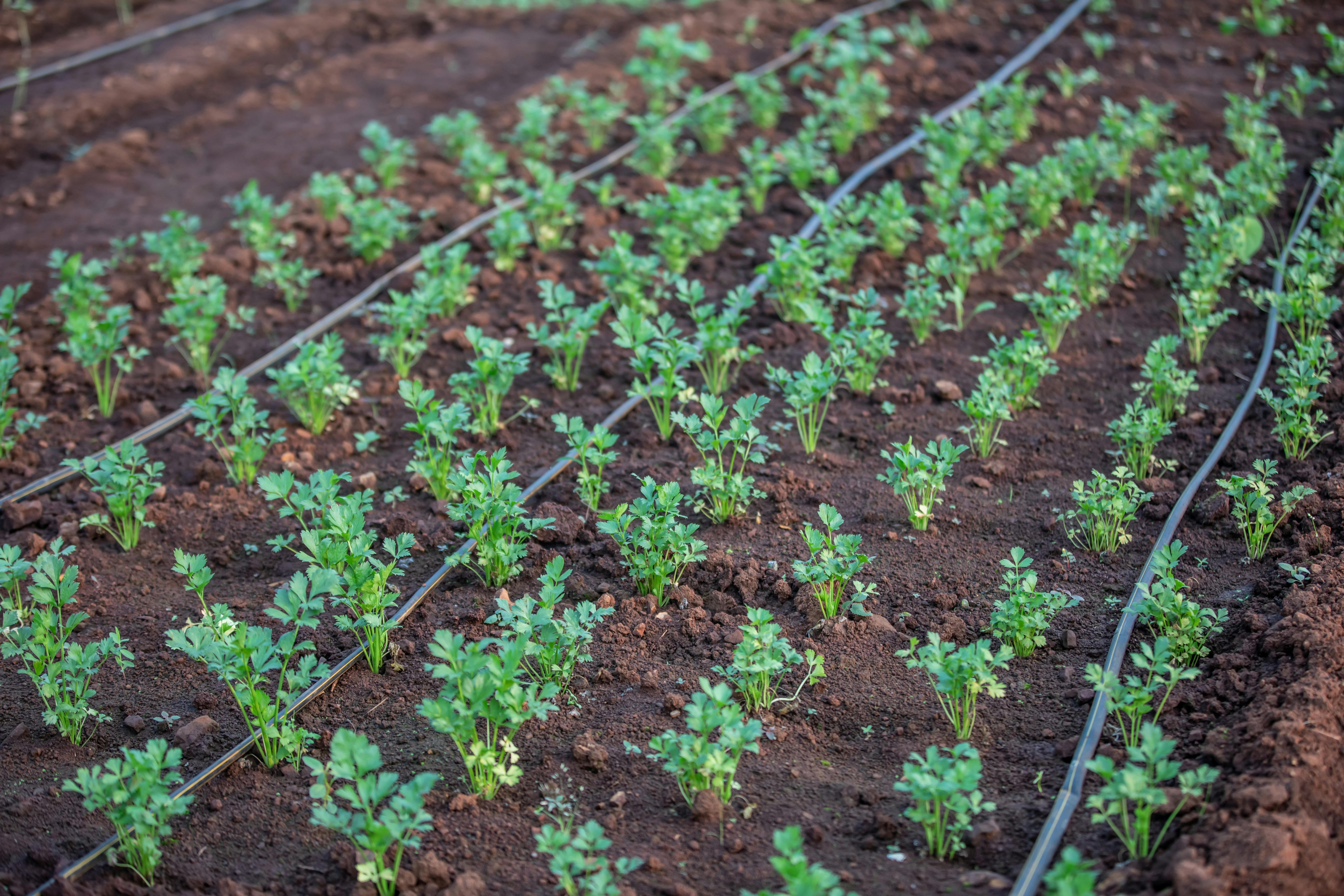
In response to climate-driven droughts, Kenyan farmers in arid regions are seeking sustainable and water-efficient agricultural solutions. These initiatives have a profound impact on yield and cost-effectiveness, aligning with global sustainable agriculture goals. Recent trials at Jomo Kenyatta University showcase a promising blend of flood and drip irrigation, demonstrating a 50% reduction in water use.
Key Insights or Strategies
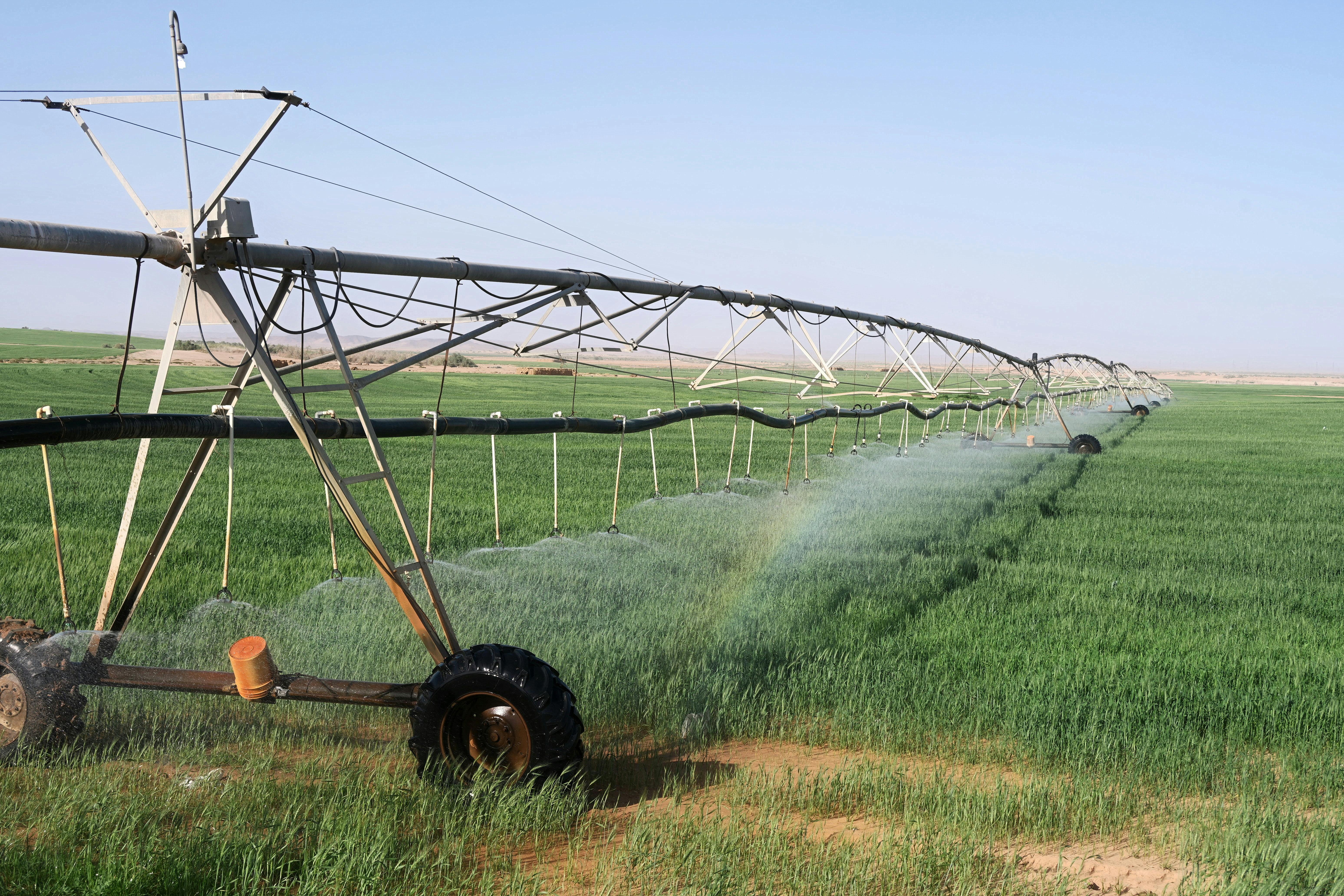
1. Calculating Field-Specific Water Needs
- Utilize soil moisture sensors to gauge precise water requirements.
- Adjust irrigation schedules accordingly to prevent water waste.
Explore sustainable organic farming solutions with Biofarm Kenya
2. Installing Drip Lines on Flood-Irrigated Plots
- Invest in efficient systems like the CARPATHEN Drip Irrigation System.
- Ensure proper placement for maximum water dispersion.
Case Studies, Examples, or Comparisons
Several Kenyan farms have adopted this hybrid irrigation approach with notable success. An example includes a pilot project by Jomo Kenyatta University, reporting significantly reduced water usage while maintaining high crop yields. [Source: FAO Kenya]
Common Mistakes to Avoid
- Overwatering leading to soil erosion and nutrient leaching.
- Inconsistent training for farmworkers regarding irrigation techniques.
Expert Tips or Best Practices
Maintain healthy soil through regular testing using the Soil Testing Kit, which provides vital insights into the nutrient composition.
Explore sustainable organic farming solutions with Biofarm Kenya
Future Trends or Predictions
Emerging technologies like smart irrigation and AI-driven crop monitoring are paving the future of agriculture in Kenya, offering new ways to enhance productivity sustainably.
Conclusion
By adopting hybrid irrigation systems, Kenyan farmers can significantly cut down water use while maintaining crop yields. Explore further opportunities with Biofarm Kenya:
Discover trusted organic farming tools on Amazon and learn more about sustainable solutions with Biofarm Kenya.
FAQs
- What are the benefits of hybrid irrigation?Hybrid irrigation allows for water conservation and efficient crop management. [Source: NEMA]
- How does hybrid irrigation work?Combining flood and drip techniques optimizes water usage at different growth stages. [Source: KEBS]
- Can hybrid irrigation help in drought conditions?Yes, it provides an adaptable method for dry periods. [Source: Biofarm Kenya]
- Is training necessary for hybrid irrigation implementation?Yes, proper training ensures efficient system use. [Source: FAO Kenya]
- How cost-effective is hybrid irrigation?It's more cost-effective than full drip systems due to reduced installation costs. [Source: NEMA]
- What crops benefit most from hybrid systems?Various crops, particularly those in semi-arid regions, benefit greatly. [Source: KEBS]


0 Comments