Estimated Reading Time: 12 minutes
TL;DR: - IPM cuts pesticide costs by 40%- Higher yields with biological controls- Smallholder profits rise by 22%- KALRO trials highlight IPM's success- Jomo Kenyatta University supports IPMKey Takeaways:- Embrace Integrated Pest Management (IPM) for cost efficiency.- Utilize natural predators and biological controls.- Implement crop rotation to reduce pest buildup.- Monitor pests and apply precision treatments.- Partner with Biofarm Kenya for organic solutions.
Background & Context

Kenyan farmers are increasingly abandoning daily pesticide routines due to rising resistance and environmental costs. This shift towards Integrated Pest Management (IPM) represents a sustainable agricultural revolution. IPM strategies, combining biological controls, crop rotation, and precision application, are proving essential. Evidence from the 2025 KALRO trials shows IPM reduces chemical use by 40% while boosting yields.
Key Insights or Strategies
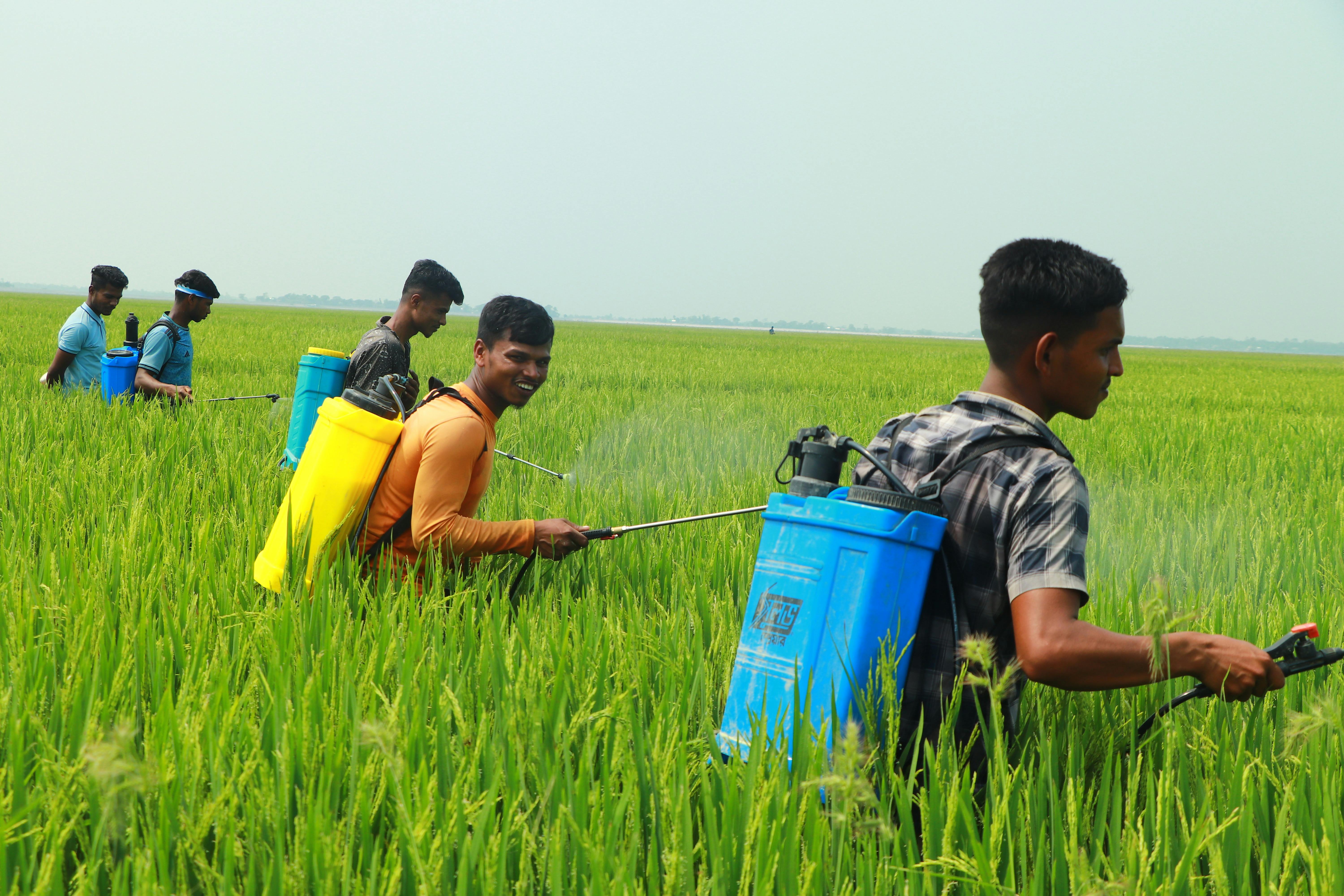
Biological Control
- Deploy natural predators like ladybugs to manage aphid populations.
- Integrate parasitoids to control pest larvae.
Boost your yields with the
Soil pH & Moisture Tester Kit – available on Amazon.For farmers seeking guidance,
explore sustainable organic farming solutions with Biofarm Kenya.
Crop Rotation
- Rotate crops annually to disrupt pest lifecycles.
- Incorporate legumes to enhance soil health naturally.
Case Studies, Examples, or Comparisons
One shining example is the mango farmers in Embu County, where IPM adoption reduced fruit fly infestation, consequently dropping pesticide use (source:
AAAE Conference 2023). This approach elevated net income through reduced costs and preserved ecological balance.
Common Mistakes to Avoid
- Over reliance on chemical pesticides: Opt for combined strategies that include natural solutions.- Ignoring pest thresholds: Regular monitoring is essential for IPM success.- Misjudging irrigation needs: Calibrate watering systems to avoid promoting fungal diseases.
Expert Tips or Best Practices
- Regularly test soil to maintain nutrient balances with a
MySoil Soil Test Kit for accurate recommendations.- Maintain healthy soil using
Organic Farming Practices.Explore more efficient techniques with Biofarm Kenya's guidance.
Learn more.
Future Trends or Predictions
The future of Kenyan agriculture will likely see the rise of smart irrigation systems and AI-driven crop monitoring. These technologies promise precision and efficiency, reducing waste and enhancing productivity.
Conclusion
Integrated Pest Management offers a path to sustainable and profitable farming in Kenya. While reducing pesticide reliance, these techniques enhance yields. Discover trusted organic farming tools on
Amazon and
learn more about sustainable solutions with Biofarm Kenya.
FAQs
Why should Kenyan farmers adopt IPM?IPM reduces pesticide usage by 40%, preserving ecological balances and boosting yields (source:
ICIPE Report 2023).
What are the first steps in IPM implementation?Start with pest threshold monitoring and introduce natural predators (source:
ScienceDirect 2023).
How does crop rotation benefit farming?It disrupts pest cycles and improves soil health naturally (source:
CBK Report 2023).
Are there specific IPM strategies for Kenyan conditions?Yes, tailored strategies like push-pull technology are effective (source: FAO).
Can IPM boost profits for smallholders?Yes, studies show a 22% increase in net profits (source:
Kituto Africa 2024).
Where can farmers find support for IPM strategies?Biofarm Kenya offers expert guidance in sustainable practices (source: Biofarm Kenya).


0 Comments